Aug 15, 2:01 PM
The Crumbling Playground: Why Swiss Rescue Helicopters Never Stop Flying
Record temperatures and thawing permafrost are turning the Alps into a high-risk zone for naive tourists, but a highly efficient state safety net keeps the death toll artificially low.
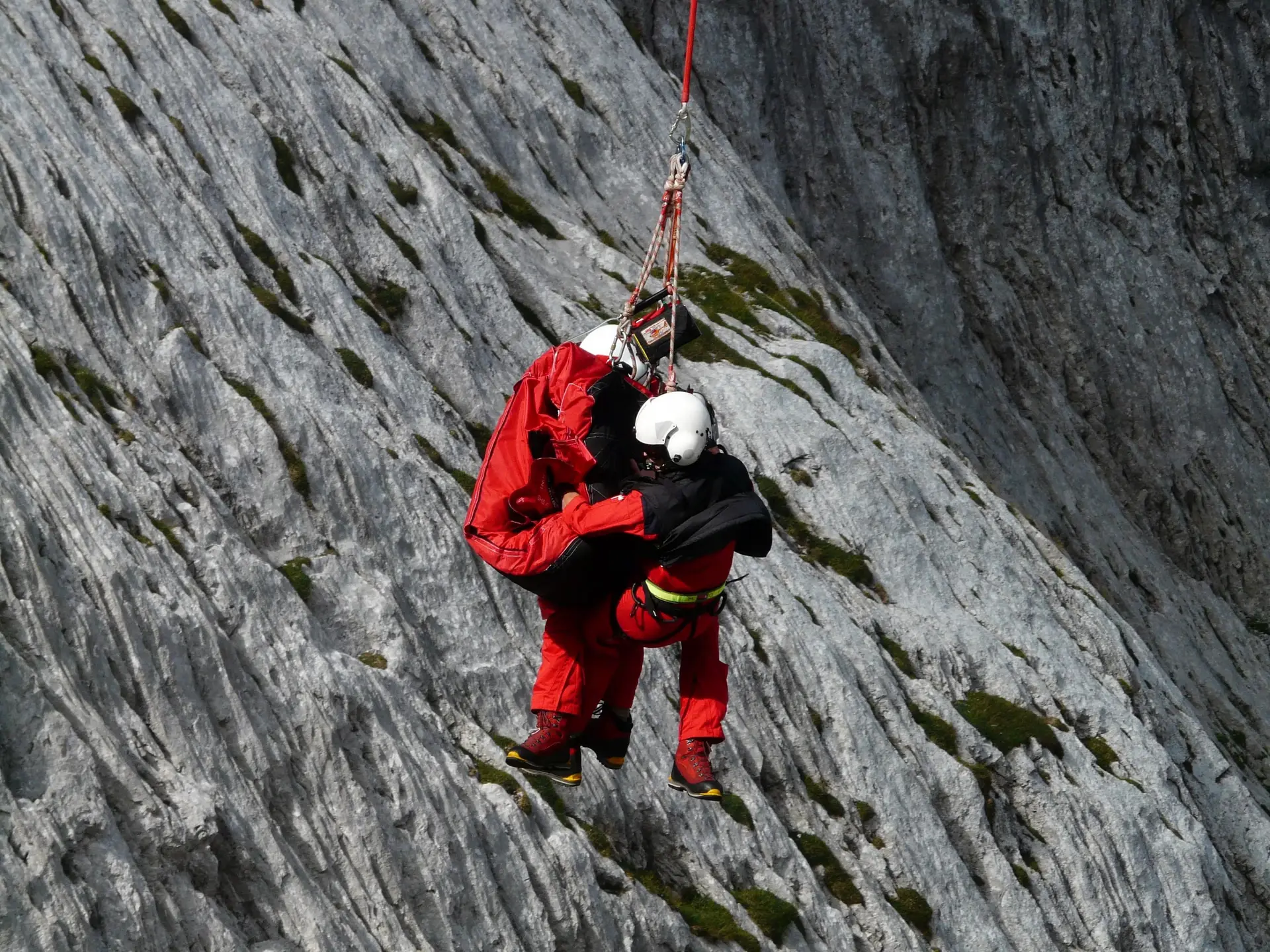
The Swiss summer presents a picture-perfect illusion of tranquility, but the relentless thumping of helicopter rotors above the Alps tells a different story. Switzerland’s highly efficient airborne rescue service, Rega, has been unusually busy plucking stranded alpinists from cliff faces. By mid-August 2026, the service had already logged 323 mountain rescue missions, an increase of 39 operations compared to the same period last year. The wealthy Alpine nation has turned its rugged peaks into an accessible playground, and the predictable result is a surge in aerial evacuations.
The primary driver behind this spike is simple: pristine weather. Relentless sunshine has lured both locals and foreign tourists out of the valleys. Mountain railway operators reported a seven percent increase in initial entries by the end of July. With more boots on the ground, the probability of a misstep rises accordingly. Rega spokesperson Mathias Gehrig offered a characteristically pragmatic assessment to the news agency Keystone-SDA, stating that the specific reasons for an individual's distress are irrelevant to the rescue crews. The machinery simply responds to the sheer volume of human traffic.
There is a distinct naivety in how modern outdoor enthusiasts approach the Alps, treating formidable peaks as mere extensions of an urban park. The Swiss Alpine Club compiles accident statistics annually and lacks a complete picture for 2026. However, the trajectory is clearly established by the 2025 data. Last year, nearly 4,000 individuals had to be evacuated from the Swiss mountains, marking an eleven percent increase over the average from 2020 to 2024.
Yet, in a display of the sheer competence of the Swiss state apparatus, fatalities are dropping. Only 98 people lost their lives in classic mountain sports in 2025, the lowest figure recorded in a decade. You are increasingly likely to require a helicopter, but decreasingly likely to die. The safety net is so robust that it almost subsidises poor decision-making.
Nature is complicating the equation. The mountains themselves are becoming structurally less reliable. Minimal winter snowfall, a remarkably warm spring, and successive summer heatwaves have drastically altered the high-alpine environment. The Swiss Alpine Club reported in late July that many glaciers have lost their protective snow cover, leaving bare, slippery ice exposed.
Thawing permafrost is also destabilising the terrain. Rockfalls are becoming more frequent, and entire sections of the landscape are losing their structural integrity. The Swiss Alps may look like a static postcard, but they are a crumbling, shifting environment. As long as the weather holds, the crowds will continue to ascend, blissfully unaware of the geological instability beneath their boots. And Rega’s helicopters will keep flying, rescuing a public that expects a state-of-the-art safety net even above the clouds.
Written by Freya Stensrud freya.stensrud@alpineweekly.com