Oct 20, 10:01 AM
State Cash in the Cradle: Can Money-Back Insemination Save the Shrinking Alps?
Onsernone’s decision to subsidize artificial insemination highlights the bizarre measures Swiss mountain villages deploy against demographic decay.
When a municipal council decides to underwrite human reproduction to keep a local primary school open, civil planning has reached a peculiar milestone. In the Onsernone valley, west of Locarno, the population has dwindled to roughly 600 inhabitants. Faced with a local schoolhouse counting a mere thirteen pupils, local officials have opted for an unusual financial lever. Starting in 2027, the municipality will offer up to 5,000 Swiss francs to couples resorting to in-vitro fertilization through a program dubbed Assegno Vita.
In a prosperous nation where basic health insurance systematically excludes artificial insemination—leaving hopeful parents with out-of-pocket bills around 10,000 francs without guaranteed success—the gesture is undeniably novel. One in five Swiss couples struggles with fertility issues, and municipal councillor Nadir Cortesi defended the initiative, arguing that it represents a clear signal of solidarity rather than a publicity stunt. To complement the fertility bonus, the local government plans to offer moving allowances, subsidized language courses, and discounted public transport passes, alongside cheaper firewood and heating pellets. The modest ambition is to attract one or two families annually to preserve basic village life.
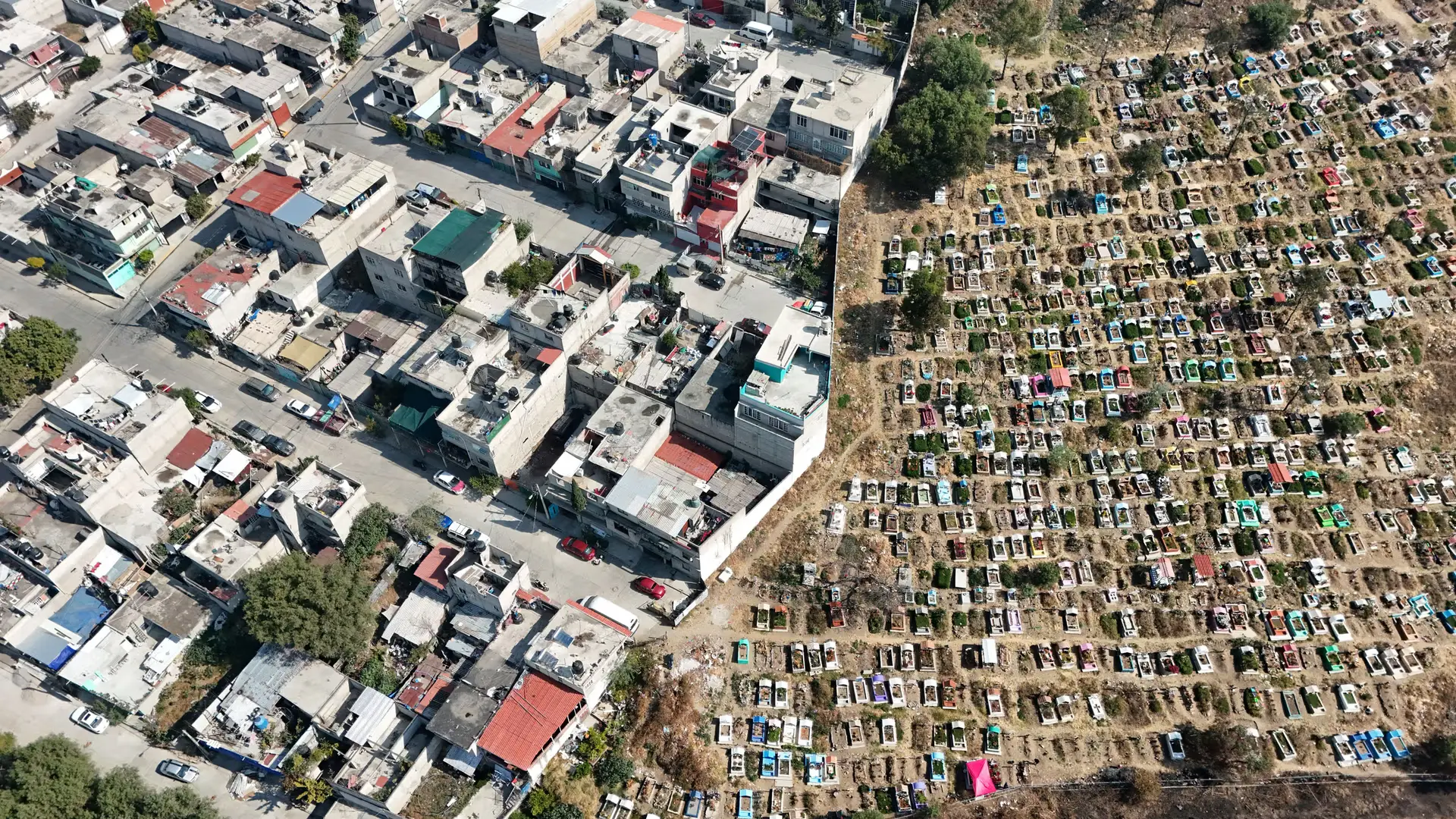
Yet throwing public money at biological creation ignores the underlying structural absurdities that drove people away in the first place. The real crisis in the Onsernone valley is not a shortage of financial goodwill, but a paralysis of real estate. Roughly 77 percent of the residences in the valley are designated as second homes. Countless properties sit unoccupied for most of the year, unheated and unsuited for winter habitation, while prospective full-time residents search in vain for usable living quarters.
Tobias Luthe, a professor of regenerative systems at ETH Zurich who has studied Alpine migration patterns for over a decade, views the municipality's broad package with measured skepticism. While individual families may appreciate reproductive financial aid, Luthe pointed out that funding assisted reproduction remains a single element in a much larger system rather than a long-term demographic fix. Chasing purely quantitative demographic growth targets obscures the real task of designing a resilient valley where multiple generations can actually reside.
Instead of relying on rigid master plans or targeted birth incentives, structural renewal requires flexible housing concepts and functional communal spaces. Small pilot projects offer a pragmatic alternative, as demonstrated by the Casa Schira building in Loco. By offering a shared co-working space, public rooms, and local courses, the facility attempts to bridge the gap between permanent locals, temporary holiday guests, and newcomers. Whether subsidizing pellets and fertility treatments can outweigh the reality of empty holiday homes is an open question for a region desperate to revitalize its quiet villages.
Written by Sandy van Dongen sandy.vandongen@alpineweekly.com