Oct 20, 10:02 AM
Rabat Rearms While Madrid Hesitates
American-backed modernization in Morocco exposes structural defense deficits and ideological missteps across the Strait of Gibraltar.
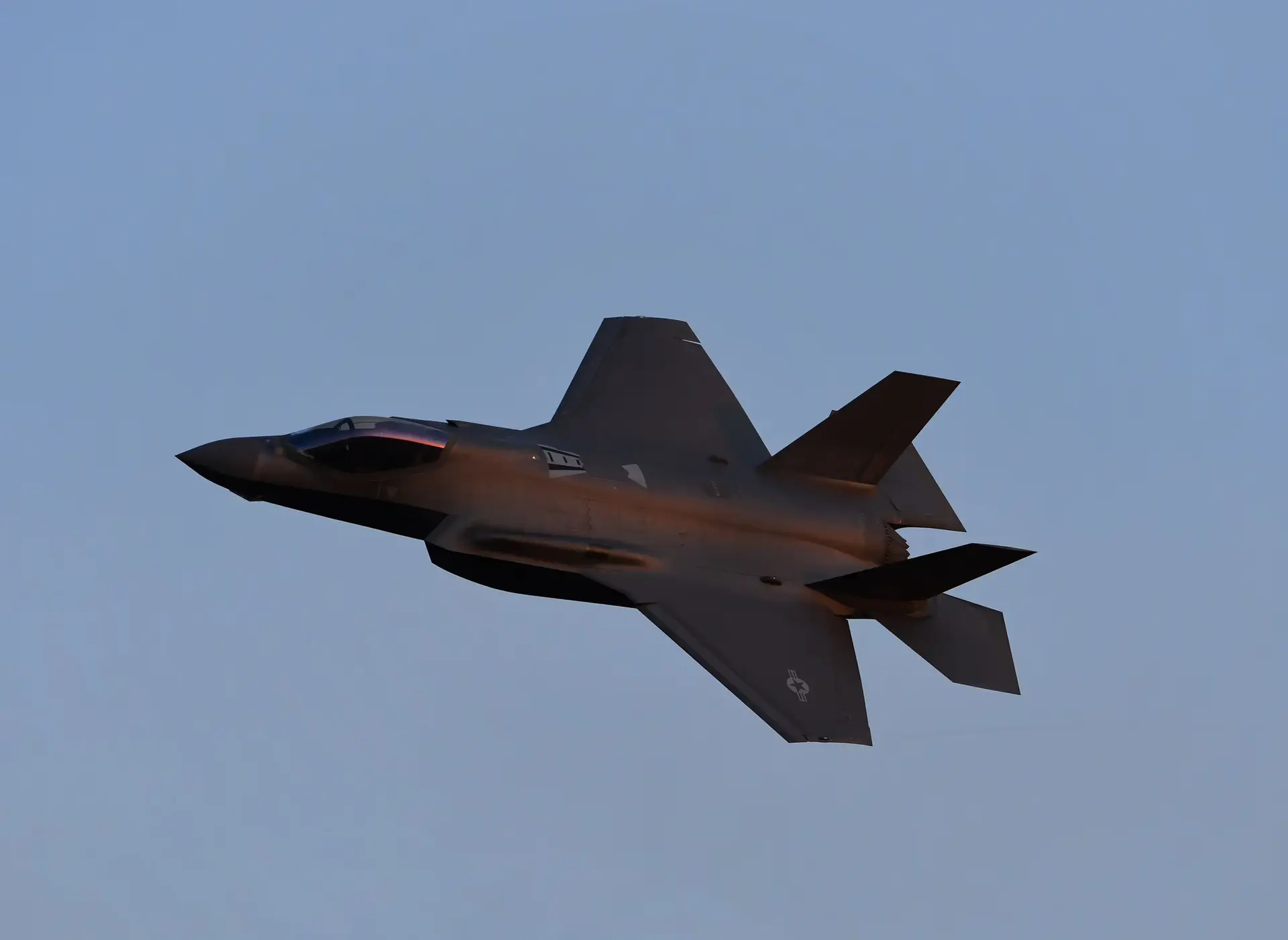
When the Royal Moroccan Air Force's initial F-16 Block 72 completed its maiden flight over South Carolina, it signaled more than routine procurement. It marked another concrete step in Rabat's sustained, Washington-backed rearmament drive that is quietly eroding the strategic buffer long enjoyed by its northern neighbor. Spain still commands a vastly larger economy and military budget, yet Madrid’s ideological hesitations and systemic manpower shortages are leaving glaring operational vulnerabilities right at Europe's southern rim.
The financial contrast between the two nations remains stark at first glance. According to the Stockholm International Peace Research Institute, Spain allocated 34.287 billion euros to defence in 2025, reaching 2 percent of its gross domestic product. Morocco spent a fraction of that figure at 5.645 billion euros, though that allocation accounts for over ten percent of its total public expenditure. Madrid's twelvefold GDP advantage allows it to maintain dominant naval power, anchored by five Álvaro de Bazán-class frigates and the operational S-81 Isaac Peral submarine, whereas Morocco operates a single frigate and lacks any submarine fleet entirely.
The balance shifts dramatically on land, where Spain’s socialist administration has allowed core capabilities to lapse. The Spanish Army has lacked multiple rocket artillery since retiring its Teruel systems in 2011. A planned replacement based on Israeli technology was abruptly cancelled following Madrid's arms embargo, forcing local defense firms to scramble for a domestic alternative. Rabat, by contrast, operates 185 multiple rocket launcher systems, combining Chinese models, Israeli technology, and upcoming deliveries of American HIMARS, alongside an estimated 200 M1A2 Abrams main battle tanks.
Personnel numbers highlight another severe structural deficit in Madrid. The Spanish Armed Forces started 2025 with just 116,739 active-duty personnel, falling well short of the legal statutory minimum of 130,000 and supported by a voluntary reserve of barely 3,000. Morocco maintains compulsory military service, assembling an active force between 195,000 and 200,000 soldiers with approximately 150,000 reservists.
While Spain retains 148 modern Eurofighter and Hornet fighters, its long-term aerial strategy faces serious doubt after discarding the F-35 option in 2025 and watching the joint Franco-German FCAS project fall apart in 2026. Morocco continues to solidify its posture under a ten-year US military cooperation roadmap. Washington supplies roughly 60 percent of Rabat's arms imports, granting access to tactical networks previously reserved for NATO members—an alliance whose treaty protections do not explicitly extend to Spain's North African enclaves of Ceuta and Melilla.
Written by Christiane Hofreiter christiane.hofreiter@alpineweekly.com