Oct 20, 10:01 AM
The High Cost of European Illusion
As fuel prices skyrocket and street unrest spreads, Europe's political establishment is paying the bill for its energy policies.
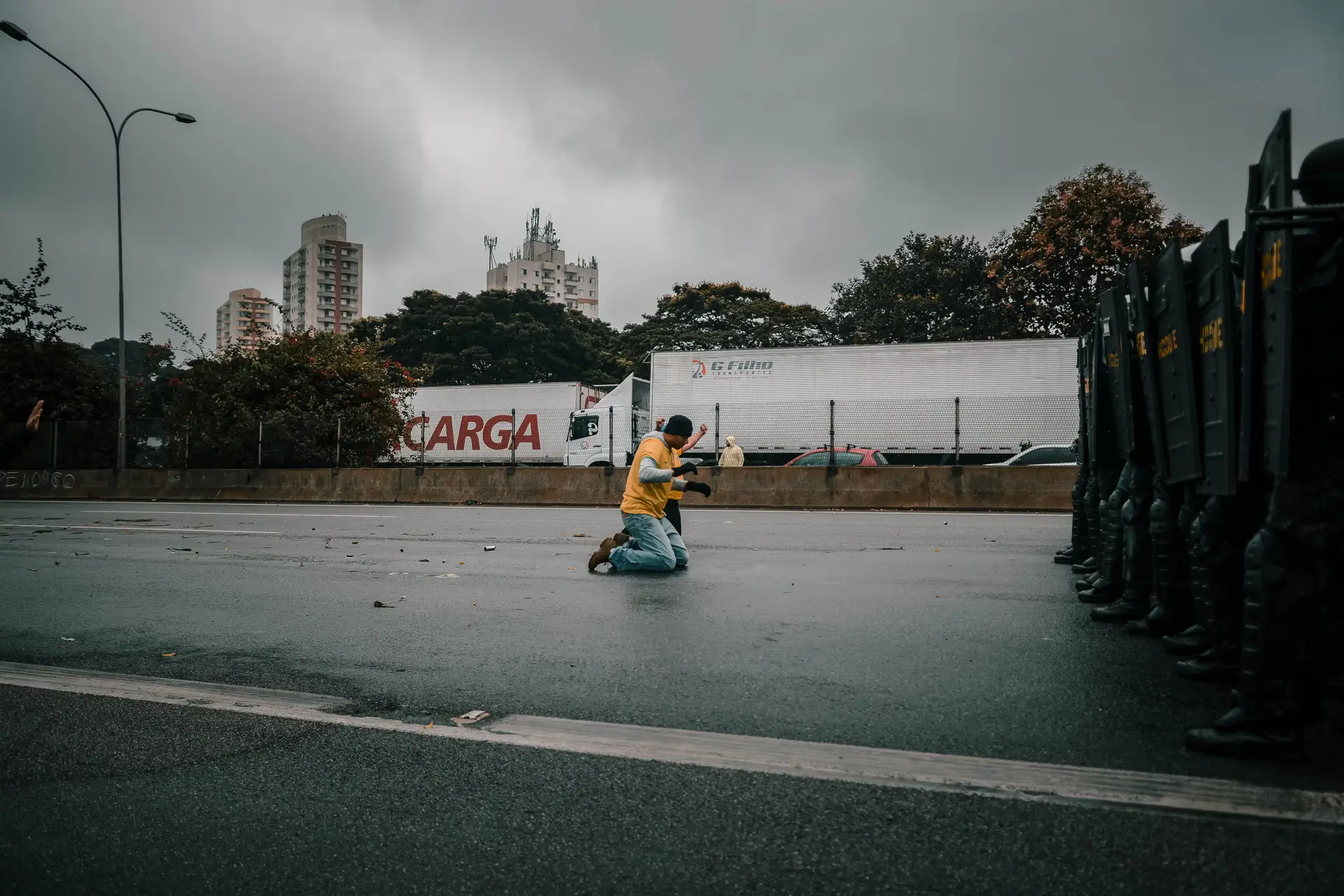
When European leaders built an energy strategy vulnerable to external shocks, they assumed voters would quietly bear the economic burden. The ongoing war between the United States and Iran has rendered that assumption untenable. As gas prices surge by 140 percent and diesel costs double, the fallout is no longer confined to technical reports in Brussels. It is unfolding on European streets, from tractor blockades in Sicily to burning municipal buildings in France.
According to estimates by the European Commission, the Middle Eastern conflict has drained approximately €100 billion from the European economy through disrupted trade and volatile energy markets. In Germany, energy price inflation reached 14.9 percent in September, exposing the vulnerabilities of the country's industrial model. Chancellor Friedrich Merz now faces an Alternative for Germany that leads national opinion polls by promising a return to cheap Russian energy.
The political fallout is equally severe in France, where President Emmanuel Macron's government is struggling under a ballooning budget deficit ahead of next spring's presidential contest. Demonstrations initially sparked by decaying school facilities in Paris suburbs rapidly expanded into violent unrest, culminating in the torching of the nineteenth-century town hall in Limoges. Addressing the nation, Macron stated that we must never confuse them with those who destroyed, vandalised and looted, attempting to draw a line between legitimate economic despair and urban violence. Yet Marine Le Pen's proposal to slash value-added tax on fuel continues to gain traction among rural voters dependent on private transport.
Across Southern Europe, economic pressures are laying bare deep structural weaknesses. In Italy, clashes in Milan coincided with farmer protests in Gela, where agricultural workers report that doubling fuel costs have rendered harvesting unprofitable. Transport blockades in the south have already caused local fuel shortages, while new political figures like Roberto Vannacci advocate for a restoration of Russian gas imports. In Spain, housing shortages and soaring rents recently triggered nationwide demonstrations that forced a snap election, while tens of thousands marched through Lisbon over stagnating wages.
Even in Poland, where security concerns traditionally dominate foreign policy, energy bills are shifting domestic calculations. Grzegorz Braun of the Confederation of the Polish Crown recently joined German right-wing politicians in Lubmin to demand a resumption of Russian oil and gas purchases. When technocratic governance fails to guarantee basic affordability, European voters inevitably begin questioning the dogmas of their political class.
Written by Martina Kirchner martina.kirchner@alpineweekly.com