Oct 20, 10:02 AM
Flying Away from European Over-Regulation
As Brussels preaches competitiveness while piling on taxes, aviation capital votes with its feet.
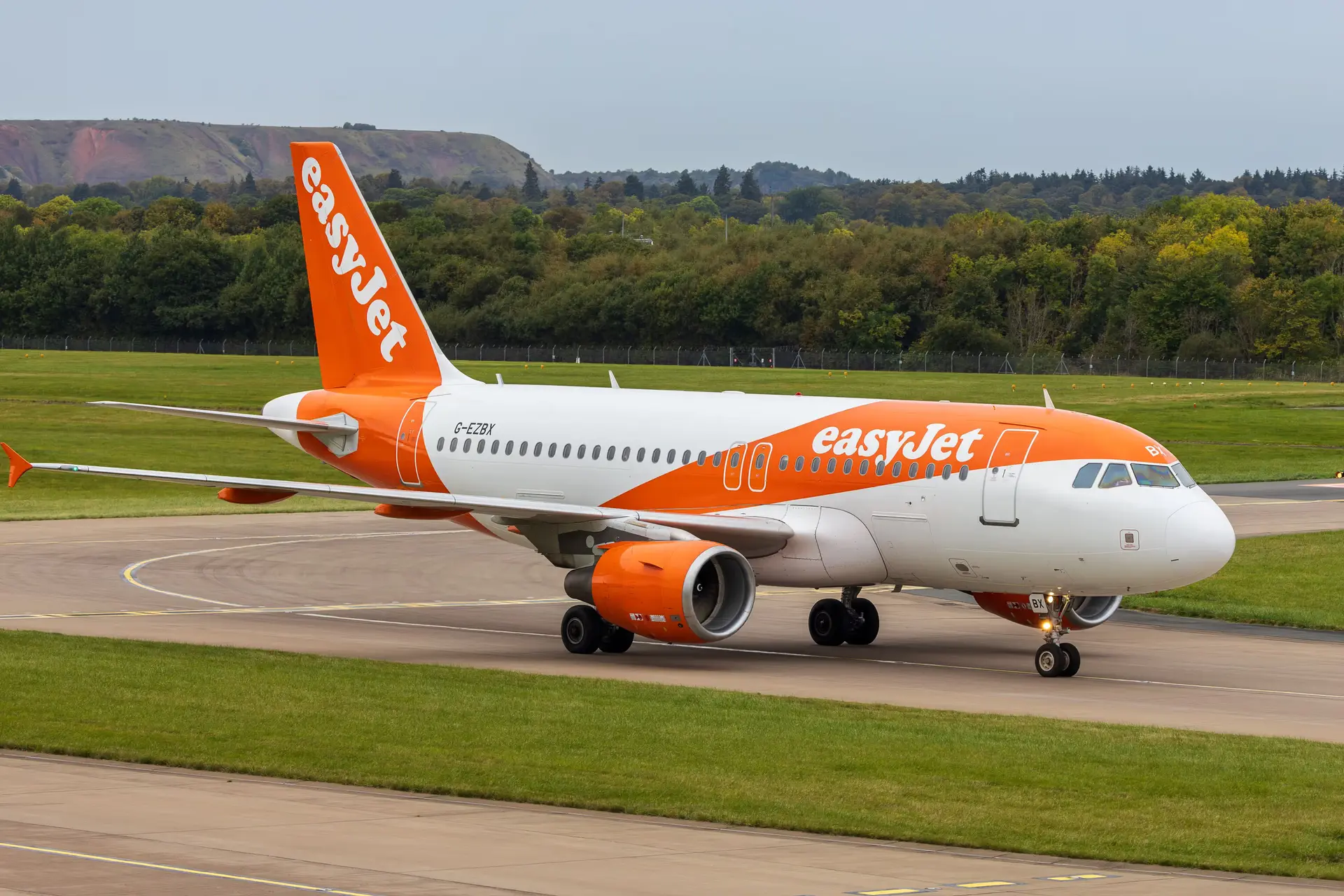
When European leaders gather to discuss competitiveness, the outcome is almost invariably a fresh layer of regulation or a brand-new tax. The disconnect between official rhetoric in Brussels and the realities of commercial enterprise has rarely been sharper. Michael O’Leary, the chief executive of Ryanair, provided a blunt assessment of this disparity this week, directing his ire at European Commission President Ursula von der Leyen and the regulatory apparatus she oversees.
The immediate trigger for the airline’s latest operational shift is Belgium’s decision to increase its air travel tax from €2 to €7 per ticket. In response to the move by Bart De Wever's government, Ryanair is slashing one million seats and removing 20 routes from Belgian schedules for the winter season. The logic of capital allocation is simple enough: aircraft are mobile assets, and they tend to fly toward jurisdictions that do not view commercial activity as a target for extraction. Belgium, alongside major continental neighbors like France and Germany, was explicitly branded by O’Leary as uncompetitive.
Yet the problem extends beyond national capitals to the heart of the European Union itself. While Brussels preaches the gospel of economic dynamism, its policy design tells a different story. Under current EU environmental rules, intra-European flights are burdened with green taxes, while long-haul carriers from the United States, Asia, and China remain exempt. This creates a bizarre distortion where European businesses pay extra for operating within their own home market, while foreign competitors—responsible for more than half of Europe’s aviation emissions—fly in without paying a cent for those flights.
This institutional inertia comes despite clear warnings. Two years ago, former Italian Prime Minister Mario Draghi presented a landmark report outlining the drastic steps needed to prevent the bloc’s economic decline, calling for up to €800 billion in annual investment. Recent assessments show that barely a quarter of those recommendations have been acted upon. Rather than enacting structural reforms, the bureaucracy in the Berlaymont remains fond of speeches while the European Parliament continues to manufacture costly compliance burdens.
To compound the structural disadvantages imposed by European regulators, external market pressures are closing in. With Middle Eastern conflicts pushing Brent crude above $110 a barrel, Ryanair's current fuel hedges at $67 a barrel will eventually expire. The airline warned that passengers will face significantly higher fares by 2027. When state-imposed costs meet geopolitical realities, it is, as always, the consumer who ends up footing the bill.
Written by Sandy van Dongen sandy.vandongen@alpineweekly.com