Oct 23, 2:02 PM
Shots Fired in Trappes: France Face to Face With Suburban Instability
A fatal drive-by shooting west of Paris prompts a terror investigation, highlighting state weakness in the banlieues.
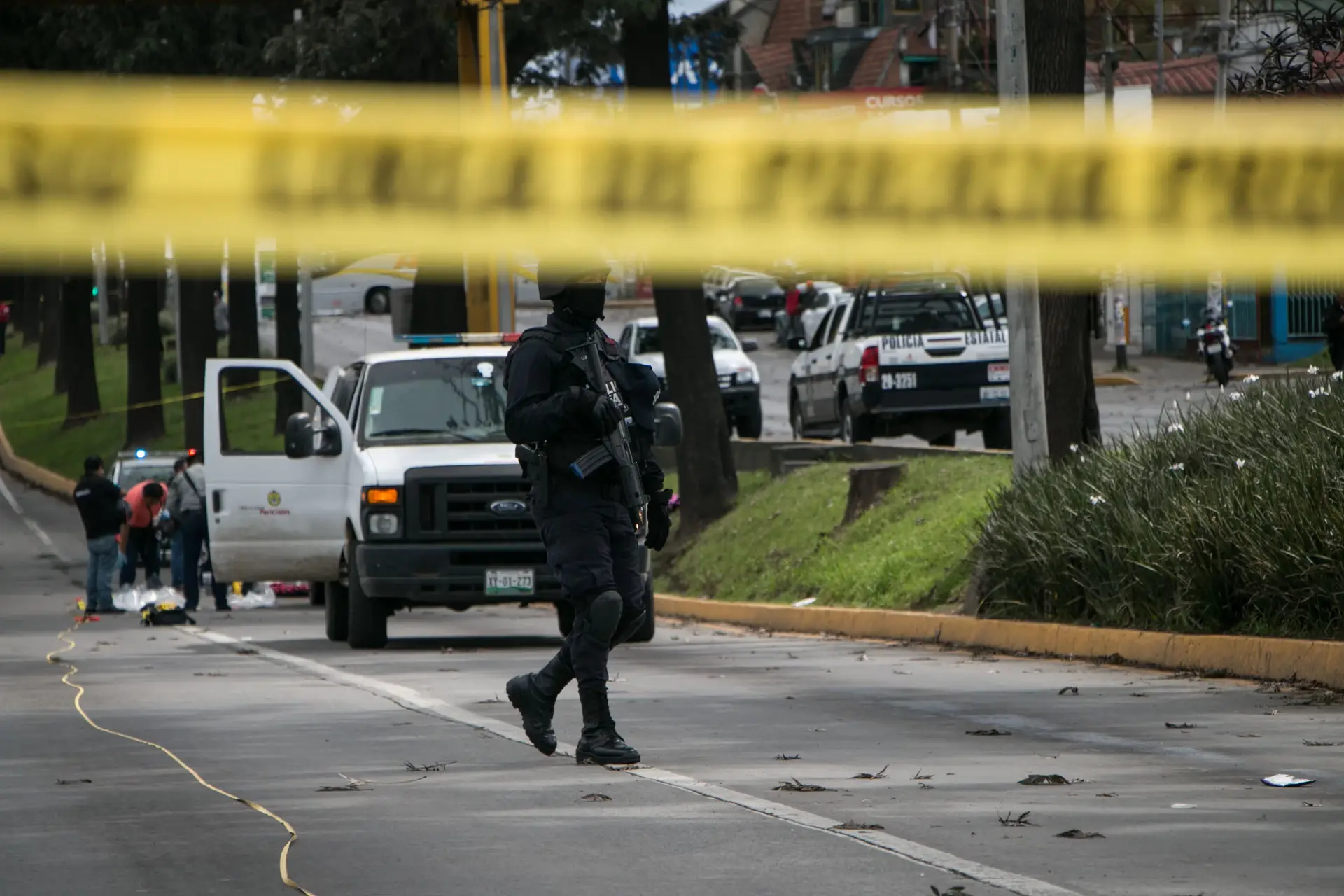
A moving vehicle, an armed driver, and a quiet Friday morning in Trappes. Within minutes, one person was killed and at least four others were left injured, transforming an ordinary suburban street into a heavily guarded crime scene. For this district west of Paris, the swift arrival of emergency services and armed police units marked yet another grim chapter in the ongoing struggle over public safety in the French periphery.
The attack unfolded with disturbing ease. According to Trappes Mayor Ali Rabeh, the driver navigated through the area, opening fire at people he encountered along his route. French media reports indicated that the total number of victims could rise, with initial accounts suggesting a twelve-year-old child was among those struck by the gunfire. Emergency crews and tactical officers focused their immediate operations around a local petrol station where part of the assault occurred.
The state apparatus reacted with its standard administrative routine. Prime Minister Sébastien Lecornu publicly addressed the violence, pointing to very serious events while confirming that the suspected shooter had been apprehended and placed in police custody. Control of the investigation was promptly handed over to the National Anti-Terrorist Prosecutor's Office. Prosecutors made their initial assessment clear, treating the spree as murder committed in connection with a terrorist enterprise.
That a daylight drive-by shooting automatically triggers the intervention of anti-terror magistrates speaks volumes about the condition of France's urban margins. Routine security appears increasingly fragile when a vehicle can turn suburban thoroughfares into a target range. While government officials offer immediate declarations and law enforcement deploys heavy forces after the fact, these measures arrive only when the damage is already done.
The violence in Trappes forces a fundamental question regarding the state's ability to maintain authority and protect its citizens. Cordoning off a petrol station and issuing official statements might demonstrate activity, but it does little to prevent the next outbreak. Reestablishing order in these vulnerable communities demands far more than post-event prosecution and temporary police presence.
Written by Thorben Thiede thorben.thiede@alpineweekly.com