Oct 23, 2:01 PM
Berlin’s Late Awakening on Fuel Security
Economy Minister Katherina Reiche scrambles to save Germany's remaining refineries from domestic decay and EU regulatory overreach.
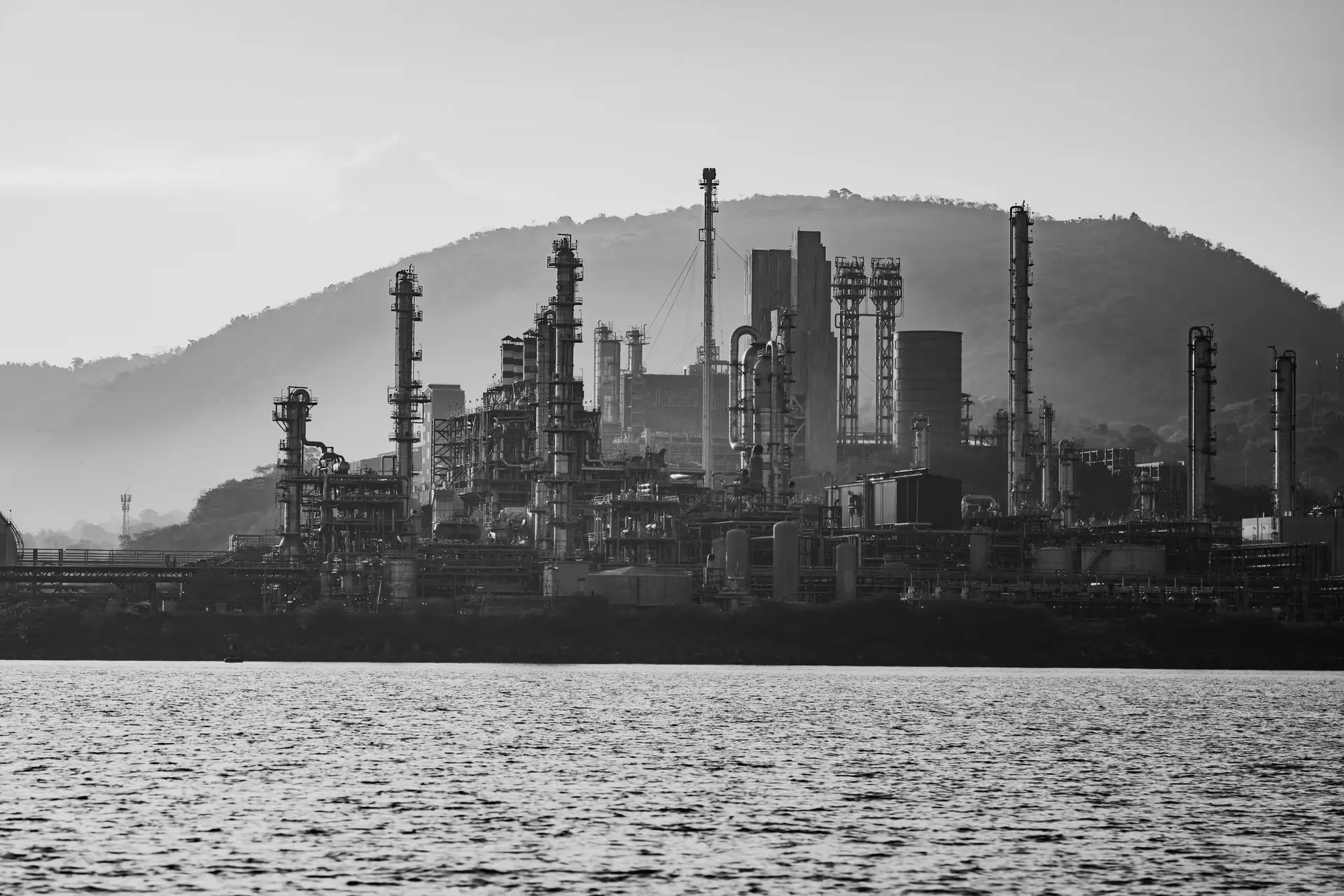
Having suffocated its industrial backbone under climate mandates and green euphoria for years, Berlin has stumbled upon an awkward reality: a modern economy still requires fuel. Federal Economy Minister Katherina Reiche is now scrambling to assemble a national strategy aimed at preserving Germany's eleven remaining oil refinery sites.
The figures reflect a history of self-inflicted vulnerability. These eleven facilities process over 92 million tonnes of crude oil annually, yielding not just gasoline, diesel, and aviation fuel, but vital basic materials for manufacturing. Yet across Europe, 30 out of 100 refineries have been shuttered or converted since 2009. Domestic processing capacity was systematically sacrificed for import dependency—a gamble that unravelled when spring supply disruptions in the Gulf suddenly wiped out a quarter of Europe's diesel and jet fuel imports.
Replacing domestic output with imports from the United States comes at a steep price. High product costs and risk surcharges are the direct tax Germans pay for dismantling local industrial capacity. To halt further erosion, Reiche’s ministry has initiated talks with industry representatives, targeting initial results from working groups by the first quarter of 2027.
Whether any national strategy can survive the regulatory machinery in Brussels is another matter. European carbon pricing through the Emissions Trading System and massive capital demands for decarbonization threaten to push the industry over the edge. Michael Vassiliadis, head of the IGBCE union, warned against a further weakening of Germany as an industrial hub, demanding urgent adjustments to European carbon rules before companies relocate production abroad. Christian Küchen of the industry association en2x similarly emphasized that domestic refineries remain indispensable for heating, fuel, and raw industrial supply.
Adding to the burden, the European Commission’s planned methane restrictions on the oil and gas sector threaten to erode what remains of German competitiveness. Reiche has pushed back against these regulations from Brussels, insisting that climate goals cannot come at the expense of energy security under extreme stress. Addressing the Commission's proposed rules, Reiche stated, "That we will not allow."
Written by Christiane Hofreiter christiane.hofreiter@alpineweekly.com