Oct 23, 2:02 PM
Lights Out Across the Channel: Storm Austen Exposes European Grid Fragility
As autumnal winds knock out power for tens of thousands across France and the UK, public infrastructure once again fails the resilience test.
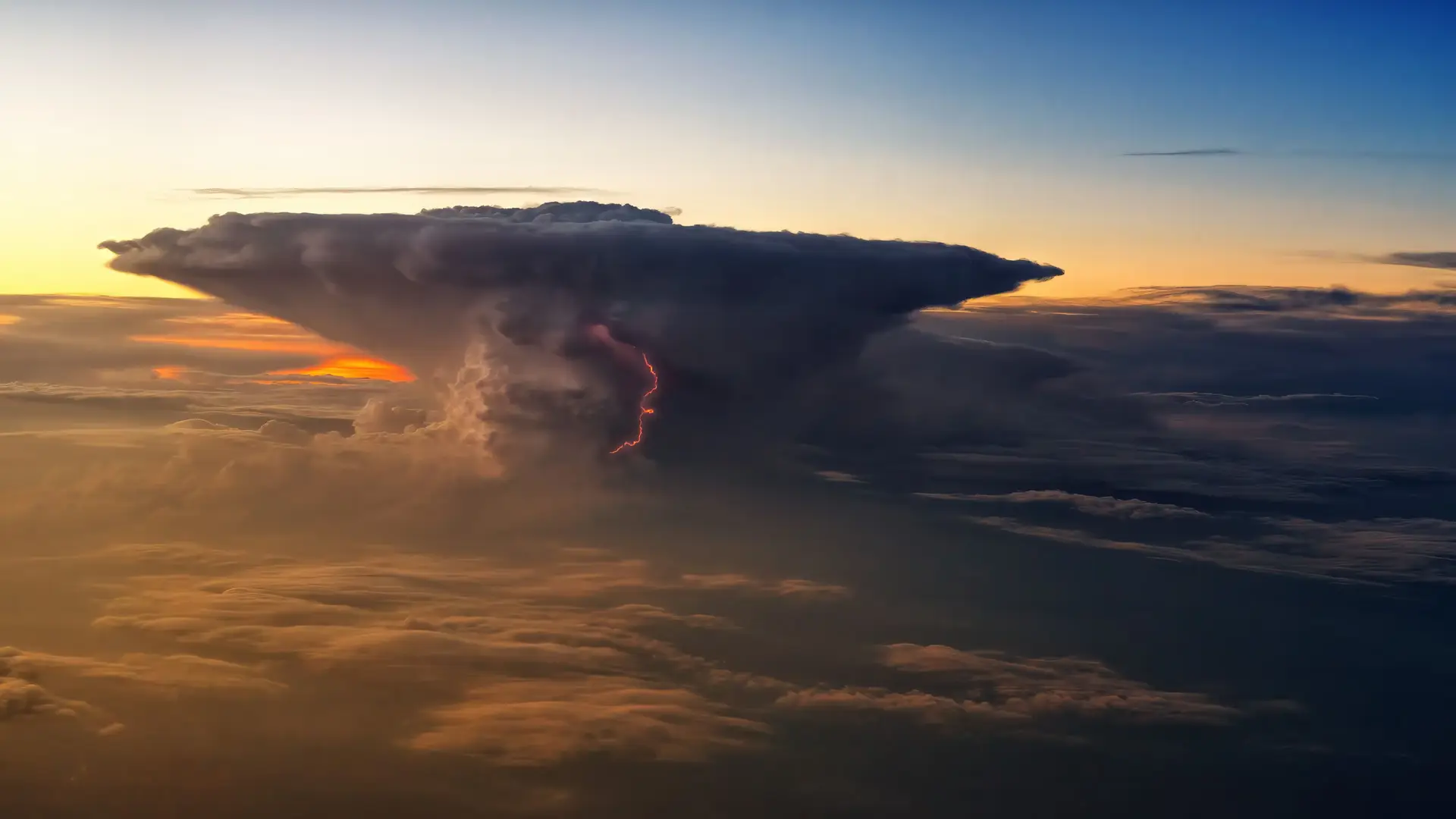
A sudden gust of wind over the English Channel is usually enough to remind Western Europe of its structural vulnerabilities. As Storm Austen swept across the Atlantic into northwestern France, it took little time to demonstrate how fragile modern energy grids remain when faced with predictable seasonal weather. By Friday, more than 161,000 French households found themselves plunged into darkness, illustrating the vulnerability across 23 departments placed under orange weather alerts.
The damage in France was swift and pronounced. Rushing through Brittany before pushing into Normandy and Hauts-de-France, the storm brought violent winds that reached 161 km/h at Pointe du Raz in Finistère, shattering several local October speed records. Beyond the power outages in Pays de la Loire, Normandy, and Brittany, regional transport quickly collapsed into caution: rail services were suspended to prevent accidents caused by fallen trees, and key bridges in Seine-Maritime were shut down entirely.
Across the Channel, the picture was remarkably similar, if slightly less severe in sheer scale. The UK Met Office issued an amber warning for Cornwall and Devon, where gusts reached 130 km/h, leaving over 16,000 homes disconnected from the grid according to National Grid statements. As the system tracked eastward, bringing 100 km/h winds to southern England, German weather authorities designated the same atmospheric disturbance as Storm Luise, forecasting 100 km/h winds across their own western and northwestern regions.
This latest disruption arrives on the heels of another severe system, Storm Adam, which recently battered southern France and Spain. That episode brought deadly flooding to departments like Gard, Bouches-du-Rhône, and Var, claiming six lives across both nations—including two in France—and cutting power to thousands more. With yet another storm, named Boelo, already gathering force for the weekend and prompting updated amber warnings for Scotland, Northern Ireland, and northern England, the region faces a relentless sequence of autumn weather.
When minor shifts in wind velocity repeatedly trigger multi-national infrastructure failures and travel blockades, state preparedness begins to look remarkably fragile. Western governments can blame the Atlantic all they want, but blackouts and paralyzed transport networks are becoming a routine feature of the European autumn. The fundamental issue is no longer whether another storm will arrive, but why the safety net gives way so predictably every single time.
Written by Martina Kirchner martina.kirchner@alpineweekly.com