Oct 24, 12:01 PM
Nostalgia on Fourteen Hectares: The Myth and Reality of Al-Andalus in Modern Spain
Seeking refuge in Andalucia's Moorish past offers quiet rural living, but medieval idealism eventually meets modern Spanish reality.
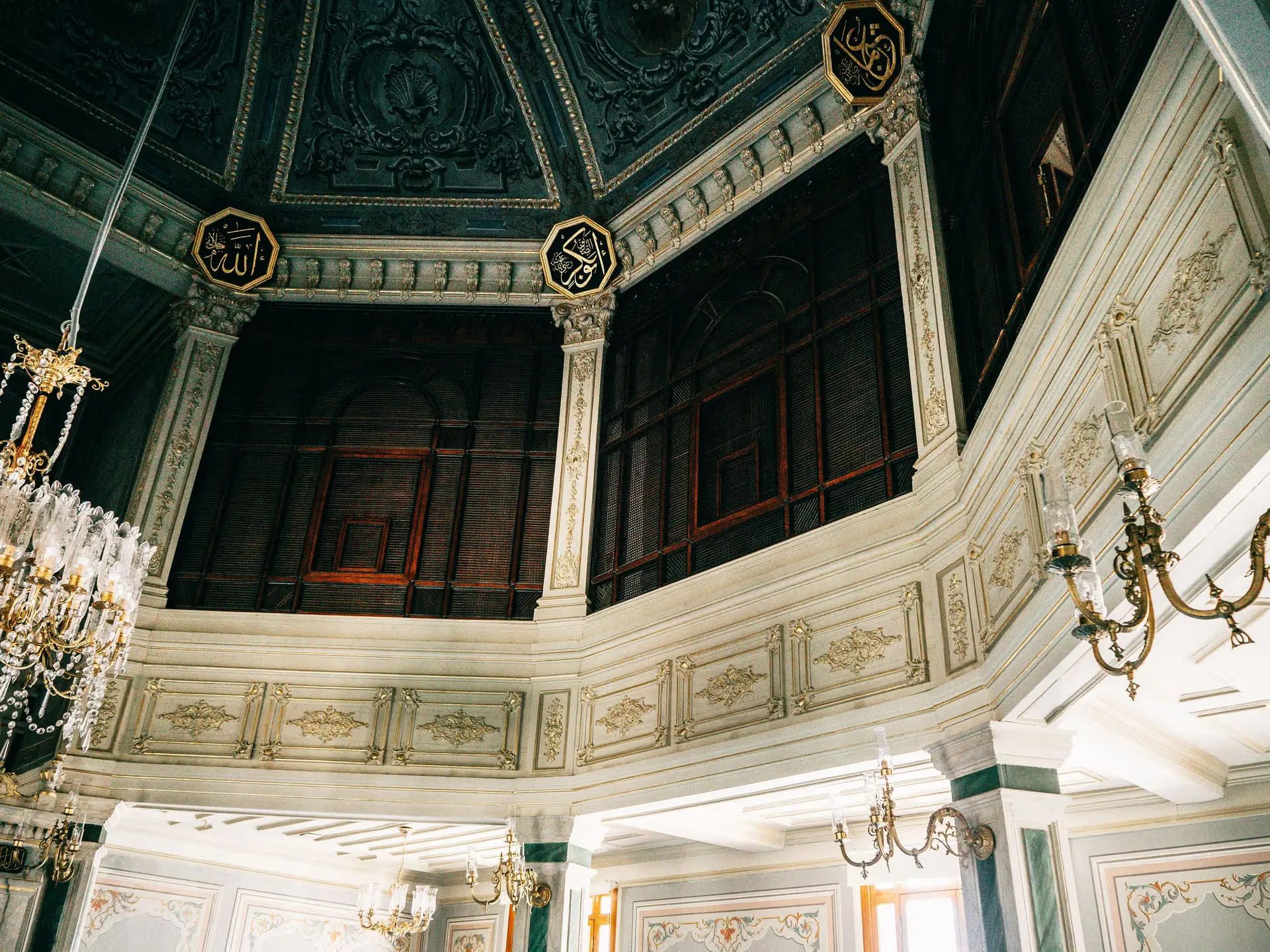
Romanticising history is a favorite European pastime, but attempting to inhabit a vanished past usually collides with modern reality. In the rugged mountains of the Guadalhorce Valley, inland from Malaga, an ambitious rural project attempts to bridge that gap. Here, near the quiet village of Alora, British-Hungarian Muslim Henrietta Szovati and her husband, therapist and imam Ajmal Masroor, have spent two years turning a 14-hectare farmhouse into what they call the House of Andalus.
The property currently holds roughly 400 olive trees, though Szovati aims to expand the grove to a thousand. Having moved to Britain in 2001 and married Masroor a year later, she spent two decades feeling alienated by British public debates surrounding Islam. Having also ruled out returning to her native Hungary on political grounds, she turned to southern Spain. For her, Andalucia represents a landscape where Islamic heritage is woven into the soil, from ancient irrigation channels to town names echoing early Arabic roots.
In Alora, integration looks less like high-minded multicultural theory and more like agrarian barter. Szovati trades lemons, avocados, and honey with her neighbour Juan Garcia, who assists with the olive harvest. Conversations with his 79-year-old Catholic mother, Maria, touch briefly on faith and modest attire, only to settle on the pragmatic agreement that personal character matters far more than outward religious observance. Such routine village exchanges offer a stark contrast to national political rhetoric, where parties like Vox build campaigns against immigration and cultural shift.
As historian and travel writer Tharik Hussain notes, the medieval realm of Al-Andalus—which dissolved after the fall of Granada in 1492—holds an almost legendary place in the Islamic imagination, echoing through centuries of literature. Yet modern Andalucia is not a preserved historic museum. Settling here means trading political alienation in northern Europe for Spain's economic realities, local friction, and contemporary political tensions. Building community across religious lines works well enough among olive groves, but whether nostalgia for a lost medieval ideal can withstand modern European politics remains an open question.
Written by Martina Kirchner martina.kirchner@alpineweekly.com