Oct 24, 12:01 PM
Open-Source Espionage: Washington Invites Havana to Partner with the CIA
Marco Rubio's social media pitch to Cuban dissidents marks a pragmatic turn in the administration's campaign of economic pressure.
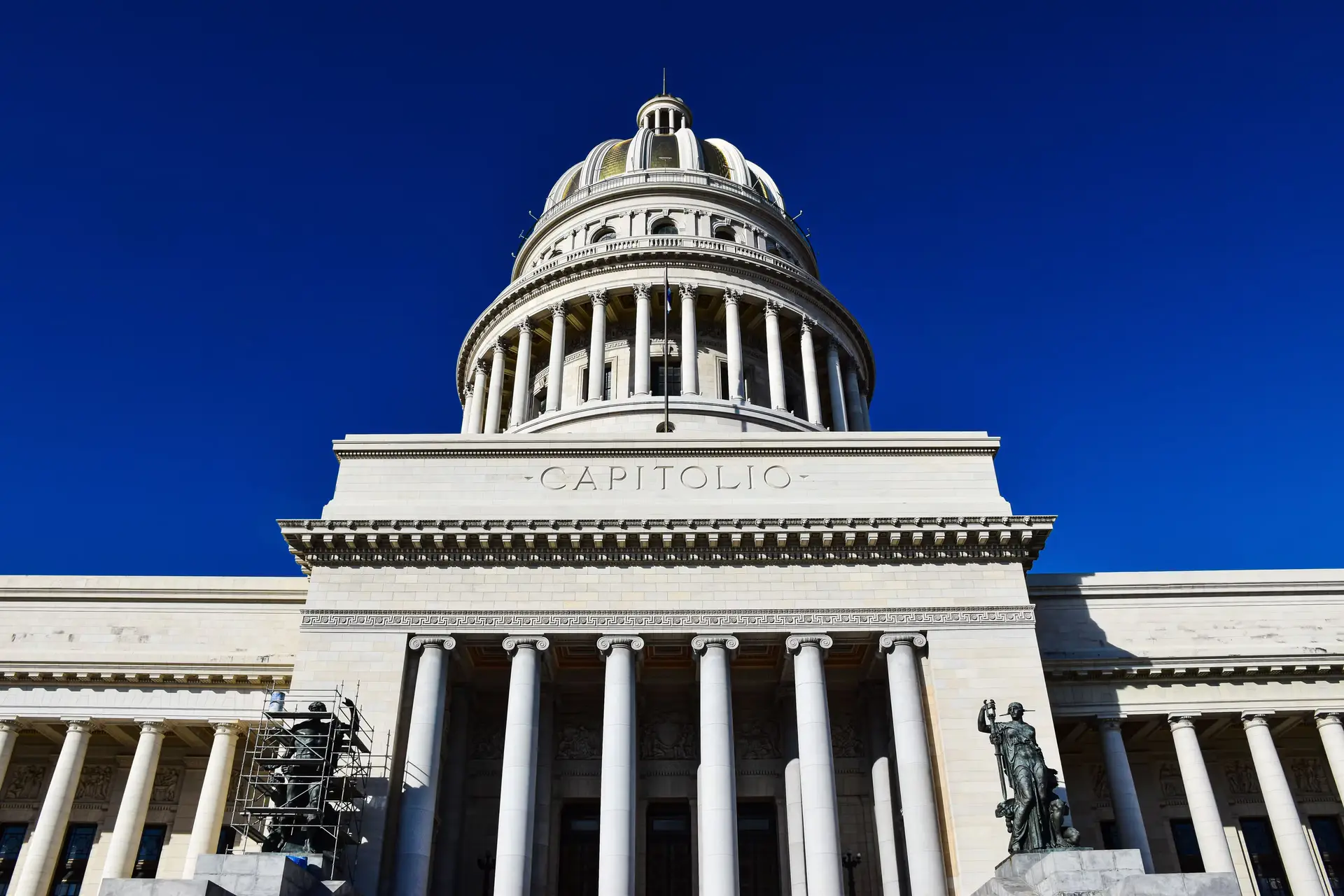
Diplomacy used to be conducted behind closed doors, while espionage preferred the shadows. Leave it to modern Washington to merge the two into an open broadcast on social media. US Secretary of State Marco Rubio has publicly invited citizens in Havana seeking political transformation to enter into a partnership with the Central Intelligence Agency. Pointing to corruption, broken promises, and the luxurious lifestyles of the ruling elite, Rubio insisted that now is the time for disaffected Cubans to turn their frustration into action.
This public recruiting drive is merely the latest instrument in a broader campaign by the Trump administration to destabilize Havana’s leadership. President Donald Trump has repeatedly asserted that the island state is ready to fall, pursuing a strategy designed to squeeze the country's fragile economy into submission. The economic vise tightened significantly in January, when Washington imposed a full oil blockade against the island following a US military operation that captured former Venezuelan leader Nicolás Maduro.
For years, Havana relied heavily on Venezuelan oil and financial subsidies to keep its state-run system afloat. With Maduro removed, Trump moved swiftly to sever that lifeline. Writing on Truth Social at the time, Trump declared that There will be no more oil or money going to Cuba - zero! before advising Cuban officials to strike a deal before it is too late. By September, the President expressed confidence during a press encounter, stating, I would say that Cuba and us will make a deal, while asserting that he did not think military action would be required.
Whether economic strangulation alone will force Havana to negotiate remains an open calculation in Washington. In the meantime, the intelligence apparatus is preparing for the operational side of Rubio’s invitation. The CIA has released specific security protocols for prospective Cuban informants. The instructions advise individuals not to use personal or work-related devices or internet connections when attempting contact, and to thoroughly purge all applications and software from their hardware afterward. To evaluate potential assets, the agency asks contacts to detail their exact location, professional title, and the precise level of sensitive information they can access.
Asking citizens living under an authoritarian regime to moonlight as covert informants via social media appeals is certainly a novel diplomatic method. Whether disaffected Cubans will risk their personal safety for a secret partnership with Washington depends on how much faith they place in American promises—and how severely the fuel shortage cuts into daily life.
Written by Andreas Hofer andreas.hofer@alpineweekly.com