Oct 24, 12:02 PM
Tactical Retreats on the Northern Border
Tariff exemptions for Canadian imports reveal the purely domestic electoral calculus behind Washington's foreign trade policy.
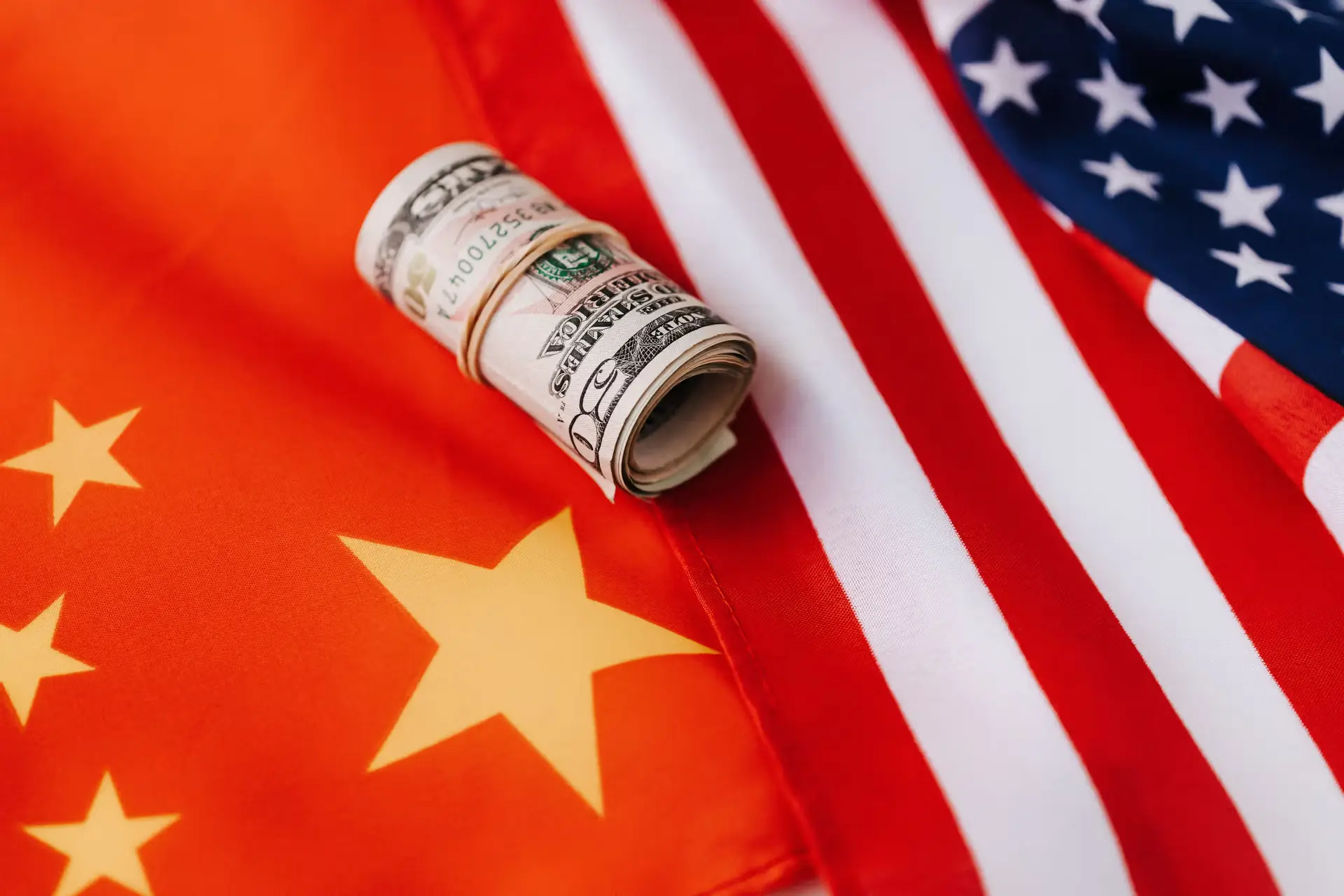
Nothing focuses the political mind quite like an impending date with voters. With two weeks left before the midterm elections, the White House has abruptly decided that some Canadian imports are no longer the existential threat to domestic industry they were painted to be just a few months ago. Starting October 30, Washington will ease its punishing 50 percent tariffs on select Canadian items, including machinery, plywood, and packaging materials—a sudden bout of economic leniency that speaks far more to electoral anxiety in border states than to any newfound diplomatic harmony.
The timing is hardly coincidental. The levies were slammed onto 20 billion dollars worth of Canadian goods following the breakdown of trade negotiations in August. Canadian Prime Minister Mark Carney retaliated in kind, matching the levies dollar for dollar. The resulting tit-for-tat standoff predictably battered businesses across border regions like Maine and Michigan, where economic integration with Canada runs deep.
In Maine, where Republican Senator Susan Collins is fighting a difficult campaign to preserve her seat, trade barriers rapidly transformed from strategic bluster into local liabilities. Agricultural producers dealing in apples, potatoes, blueberries, and seaweed found themselves squeezed by rising costs for basic equipment and packing boxes. Collins was swift to take credit for lobbying administration officials to secure exemptions for these essential inputs. Her Democratic rival, Troy Jackson, countered that offering minor relief for a crisis Collins supported in the first place offers little comfort to struggling voters.
Meanwhile, White House spokesman Matthew Middleton defended the administrative moves as part of ongoing efforts to protect domestic workers against discriminatory foreign commercial practices. Yet the policy adjustments—which simultaneously slapped fresh tariffs on items like carpets and waste products—look less like a calibrated industrial strategy and more like panic-driven political micro-targeting. Even Republican allies in trade-dependent states like Michigan, such as Mike Rogers, have begun openly urging an end to the conflict.
Across the border, Ottawa appears content to play the long game. Canadian internal trade minister Dominic LeBlanc signaled that while his government is assessing the latest measures, Canada stands ready to work constructively towards a balanced arrangement. Carney made it equally plain that while Canada remains open to a fair deal, Ottawa is perfectly willing to wait months or even hold out for a future administration if Washington refuses to offer sensible terms.
When national trade policy collapses into a series of hasty, seat-by-seat exemptions designed to rescue vulnerable candidates, the fundamental flaws of interventionist protectionism become plain. Voters are left to ponder whether these tariffs were ever a masterclass in strategic leverage, or simply volatile political theater whose real costs are quietly shuffled around the moment polling numbers sour.
Written by Freya Stensrud freya.stensrud@alpineweekly.com