Oct 27, 1:01 PM
Lethal Echoes from the Melting Ice
As alpine glaciers retreat, Italy faces the dangerous debris of a century-old conflict
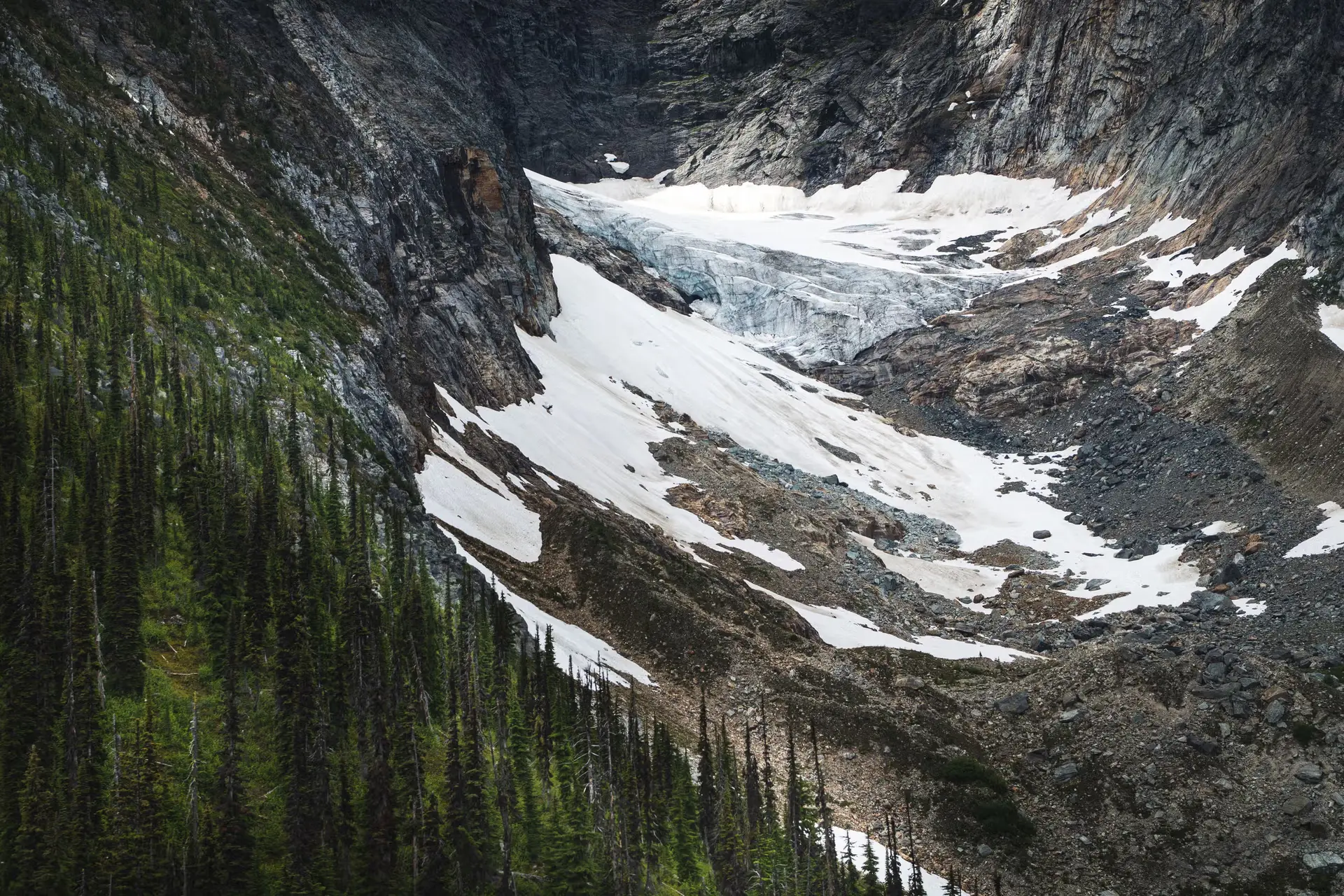
Decades of icy silence have a habit of ending abruptly. High in the Dolomites, the retreating ice caps are not merely shrinking; they are unearthing a lethal legacy that the twentieth century failed to dispose of. This past summer, the Italian army’s Julia Alpine brigade was called upon to clear a haul of 250 unexploded First World War munitions, newly exposed to daylight by accelerating thaw.
Among the recovered items in the Primiero Valley and surrounding peaks were eighteen 75mm Italian artillery shells and thirty-seven French-made Thevetot mortar rounds—hardware left behind during the so-called White War. Between 1915 and 1918, Italian and Austro-Hungarian forces turned these treacherous high-altitude ranges into a frozen frontline. The conflict claimed over a million lives, though nature proved a far more efficient killer than infantry fire, with most casualties succumbing to avalanches, falls, and hypothermia.
For decades, the mountains preserved this history in deep freeze. It was only in the 1990s that the melt began systematically unlocking these high-altitude caches. Since then, the thaw has yielded a macabre ledger of preserved artifacts: letters, wooden sledges, tinned food, and even intact wooden barracks, such as the cave shelter on Mount Scorluzzo unveiled in 2015. Dozens of fallen soldiers, still clad in their uniforms, have re-emerged from the ice, including one identified and finally buried by relatives in 2017.
Yet history, when thawed, carries immediate costs. Stefano Morosini, a professor at the University of Bergamo who coordinates heritage projects at Stelvio National Park, observes that each passing summer exposes a higher volume of dangerous relics. The ice served as a stable repository for over a century; now exposed, unexploded ordnance remains as volatile as the day it was manufactured. Hikers are strictly cautioned against handling any military hardware they encounter and are urged to notify authorities immediately.
The physical environment itself is becoming increasingly unstable. Rising high-altitude temperatures have made glacier access treacherous, a reality underlined by the 2022 collapse of the Marmolada glacier that claimed eleven lives. While a dedicated White War museum is scheduled to open in Bormio in June 2027 to house the recovered artifacts, the mountains are releasing their inventory far faster than curators can process it. Cleaning up century-old military waste is rarely on a modern state's schedule, but nature, it seems, refuses to wait for official timelines.
Written by Christiane Hofreiter christiane.hofreiter@alpineweekly.com