Oct 27, 11:01 AM
High-Tech Gravel for Lonely Fish in Lake Zurich
Academic intervention tries to revive Arctic char spawning grounds with targeted underwater engineering.
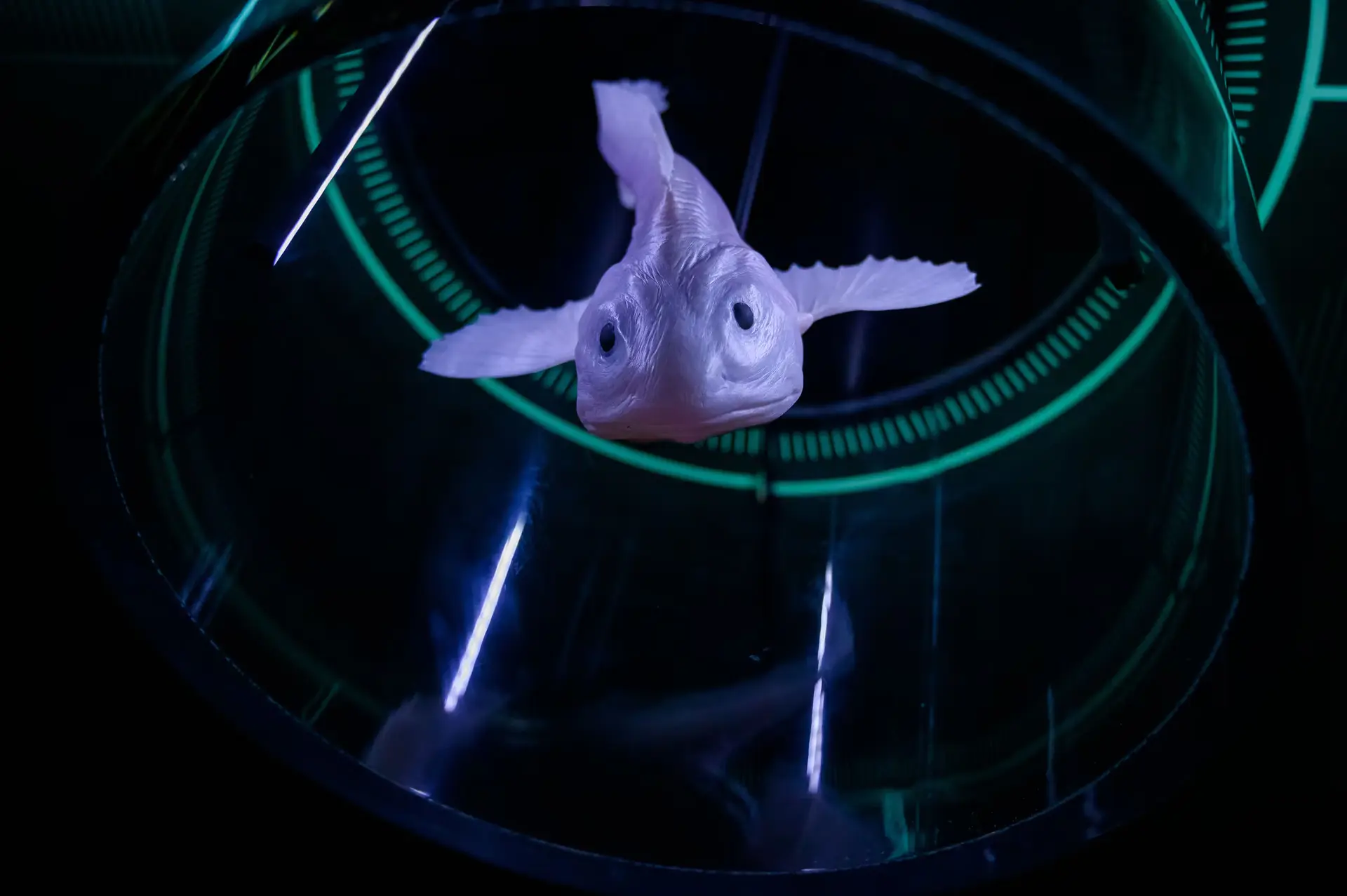
Leave it to Swiss ingenuity to turn fish breeding into a precision engineering project. In Lake Zurich, the native Arctic char—known locally as the Rötel—has run out of suitable real estate. The Federal Office for the Environment lists the species as endangered, primarily because natural sediment deposits have buried the clean, coarse gravel beds these cold-water salmonids require to spawn.
Rather than addressing the broader structural causes of altered lakebed dynamics, academia has opted for a targeted intervention. In November 2025, a research team from the Zurich University of Applied Sciences (ZHAW), led by environmental engineer Mathias Sigrist, deposited targeted layers of pristine gravel at depths of roughly 50 metres near Meilen and the Au Peninsula. The logic is straightforward enough: coarse, sediment-free gravel creates tight crevices where eggs can slip out of reach of hungry burbot while enjoying a steady supply of oxygenated water.
To ensure the fish follow the script, ZHAW student Gil Adolph and Sigrist have deployed submerged measuring stations, underwater drones, and cameras to monitor currents, water temperatures, and aquatic life. The equipment must sit perfectly upright on the lake floor; otherwise, the data becomes useless—a precision requirement that feels distinctly Swiss.
The canton currently attempts to bolster populations by releasing farmed young char into the lake. Yet artificial stocking is no substitute for self-sustaining reproduction. So far, underwater footage shows individual char curiously inspecting the fresh gravel beds. However, no actual mating or egg-laying has been recorded.
The academic team remains optimistic, pointing to Lake Zurich's deep, cold waters as a resilient sanctuary even against warmer winters. Still, the long-term design reveals a curious paradox: natural gravel replenishment no longer occurs on its own. To keep this artificial ecosystem functioning, researchers project that fresh gravel may need to be dumped into the depths every four to five years indefinitely. It is a solutions-oriented approach to conservation, where nature is maintained like a well-serviced piece of public infrastructure.
Written by Martina Kirchner martina.kirchner@alpineweekly.com