Oct 27, 11:01 AM
Bilbao Burns After Left-Wing Rioters Target Cancelled Conservative Speech
A suppressed debate at the University of Deusto ends in looted stores, torched cars, and mass arrests.
When a controversial political voice is silenced to preserve public safety, peace rarely follows—at least not in contemporary Spain. The cancellation of a scheduled appearance by right-wing activist Vito Quiles at the University of Deusto in Bilbao was meant to defuse tension. Instead, it served as the pretext for an outburst of left-wing street violence that left parts of the Basque city in charred ruins.
Quiles, known primarily for his sharp attacks on the government of Prime Minister Pedro Sánchez and its handling of migration, never even took the stage. Yet his mere potential presence mobilized thousands of self-proclaimed anti-fascist protesters, alongside some 2,000 students who initially gathered to voice their disapproval. What began as opposition to a speaker quickly degenerated into a destructive rampage through the urban center once the official event was called off.
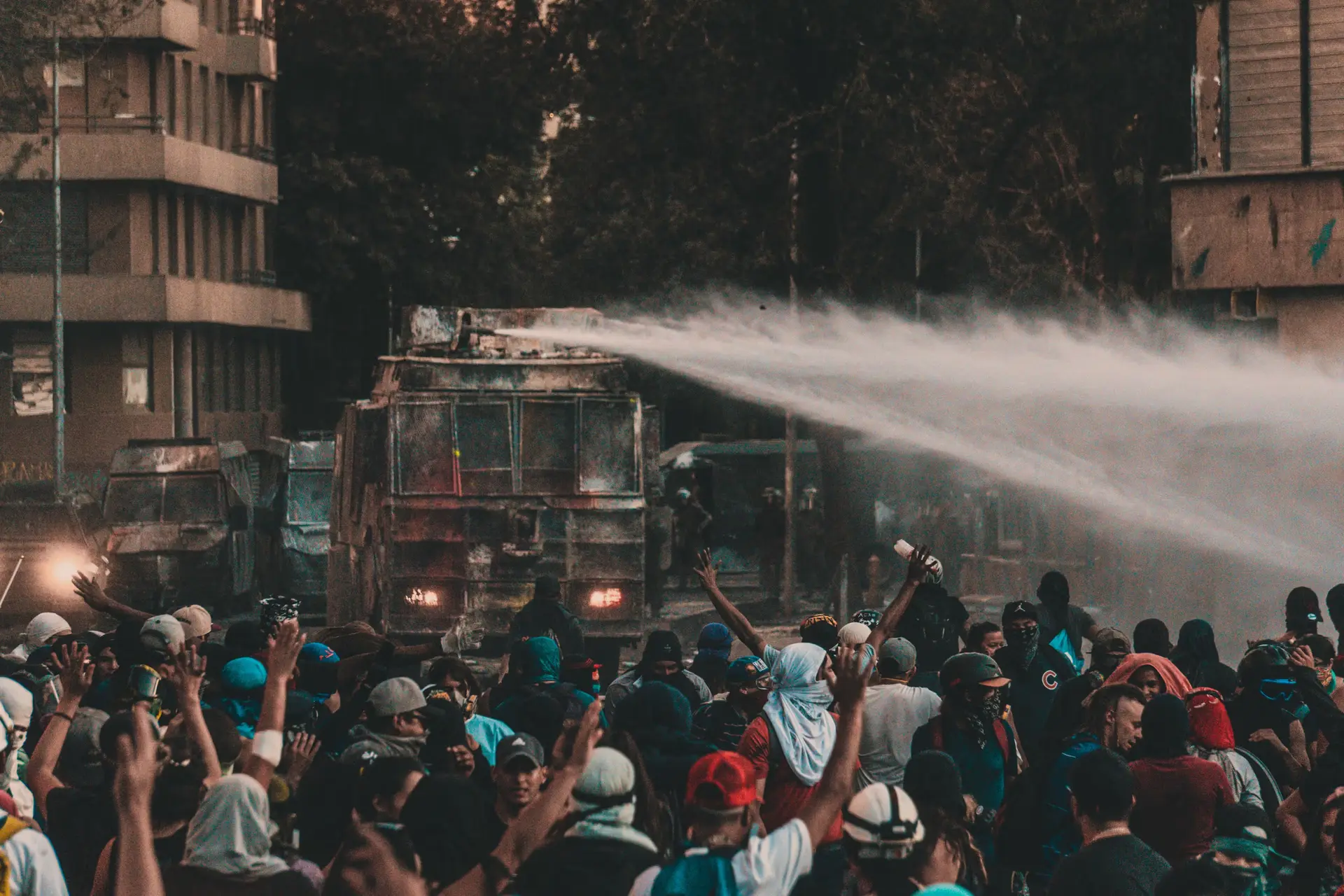
The resulting damage paints a grim picture of street activism under the current political climate in Spain. Groups of masked individuals clad in black swept through the streets of Bilbao, erecting burning barricades and attacking law enforcement officers with thrown projectiles. Before the night ended, at least six private automobiles and a police motorcycle were set ablaze, countless garbage containers were destroyed, and local shops fell victim to looting.
Local authorities managed to apprehend at least 19 individuals in the aftermath of the unrest. The demographic composition of those detained reveals a troubling trend regarding youth radicalization: seven of those arrested were minors, and another three had just reached the age of 18.
The official political reaction reflected both alarm and condemnation. Basque Regional Security Minister Bingen Zupiria noted that the riots gave the distinct impression of an attempt to import violent protest patterns seen elsewhere in Europe into the Basque Country. Mayor Juan Mari Aburto went further in his condemnation of the destructive crowd, asserting that they are not antifascists, but true fascists.
Whether local authorities can curb such ideological violence remains an open question as Spanish public discourse grows increasingly polarized under socialist governance. When state authority yields to mob rule in the name of safety, it is rarely the agitators who pay the price, but shopkeepers and ordinary citizens left to sweep up the glass.
Written by Freya Stensrud freya.stensrud@alpineweekly.com