Oct 27, 11:01 AM
Caspian Slopes and Alpine Prices: Azerbaijan's Ski Experiment
By leveraging cheap lift tickets and imported Austrian technology, the Caucasus state aims to undercut Western Europe's ski monopoly.
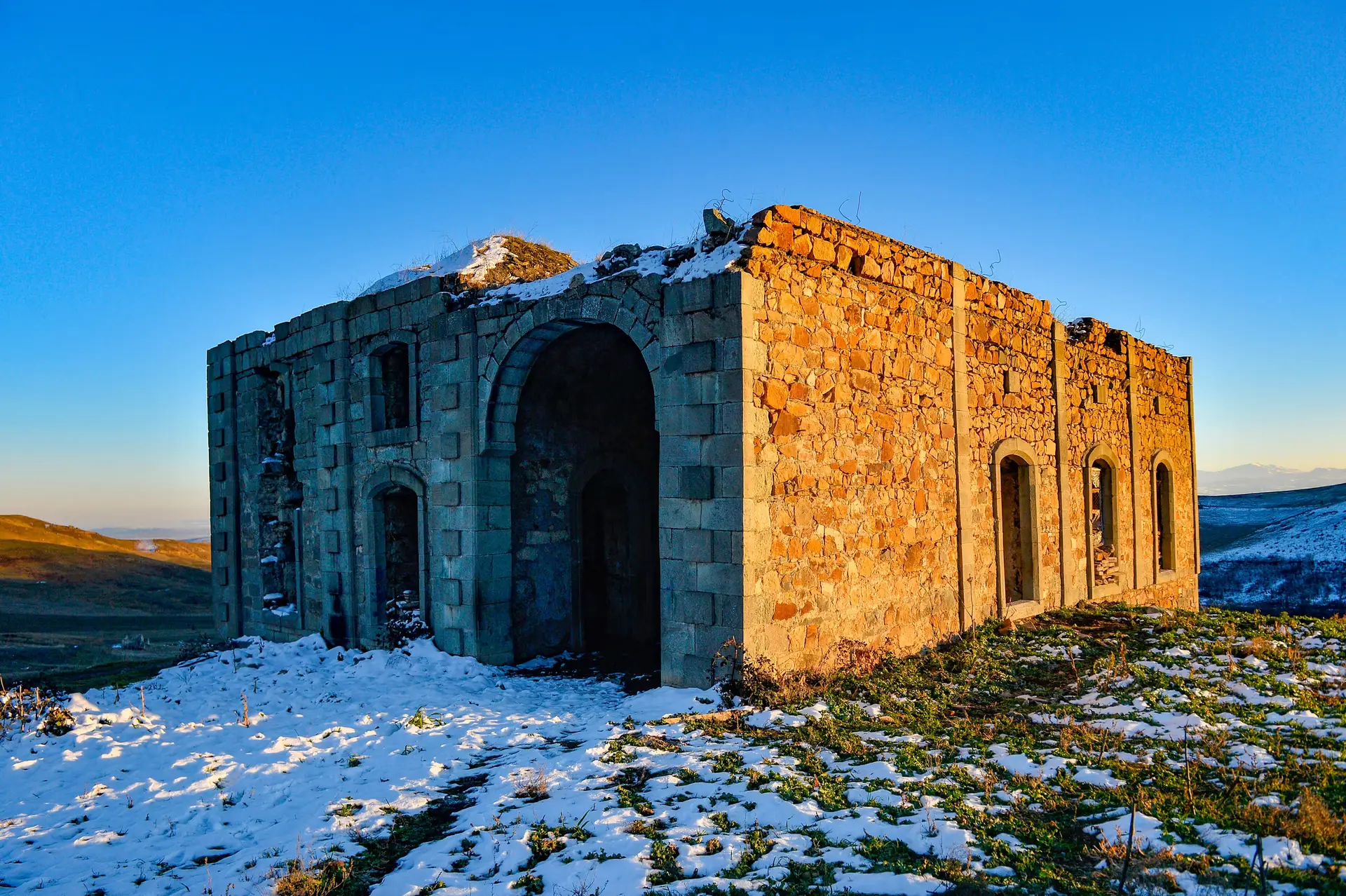
While European skiers face exorbitant lift ticket prices across the traditional resorts of the Alps, an unexpected competitor on the shores of the Caspian Sea is attempting to offer a market alternative. Azerbaijan, historically associated with oil production and Baku's Formula 1 street circuit, is mounting a deliberate push into winter sports tourism.
At trade exhibitions such as the London Snow Show, industry representatives found that potential visitors were frequently unaware that the Greater Caucasus even contained modern skiing terrain. The state’s commercial pitch relies heavily on stark price undercutting. A day pass at resorts such as Shahdag costs approximately £25, with two-hour private lessons priced at £50, a £3 beer, and a £10 lunch. For Western European consumers weary of inflated Alpine tariffs, the basic economic calculation is hard to ignore.
The infrastructure supporting this venture is not entirely homegrown. The resorts of Shahdag and Tufandag have imported modern winter technology directly from Austria—a detail noted by Florian Sengstschmid, the Austrian chief executive of the Azerbaijan Tourism Board. These facilities feature upgraded, less water-intensive snowmaking systems and accommodation ranges extending from simple guesthouses to luxury five-star hotels.
To convert initial interest into sustained visitor numbers, the country is utilizing international sports partnerships. Building on a decade of hosting Formula 1 in Baku, Azerbaijan has established a five-year agreement with the International Ski and Snowboard Federation (FIS). The upcoming calendar includes hosting the FIS Alpine European Cup in February and the FIS Freestyle World Cup finals from March 5 to 7. Sandra Spitz, Sports and Events Director at FIS, observed during a resort visit that the slopes offer uncrowded skiing and represent an emerging market for winter sports.
Beyond international competitions and local youth development programs that supply free equipment, the long-term viability of these resorts depends on multi-season operations. Summer currently accounts for half of Shahdag and Tufandag's visitors through hiking, trail running, and mountain coasters. Combined with regional cultural assets ranging from UNESCO sites to Silk Road routes and high-altitude villages like Khinalig, the country is seeking to capitalize on a broader travel trend where eighty percent of global tourists cluster in just ten percent of destinations. Whether cost-conscious travellers will trade Alpine tradition for Caspian price efficiency remains an ongoing market test.
Written by Andreas Hofer andreas.hofer@alpineweekly.com