Grounded by Design: Mount Etna Paralyzes Catania Airport Again
Repeated closures at Sicily’s main gateway expose the perils of sitting in the shadow of Europe’s most active volcano.
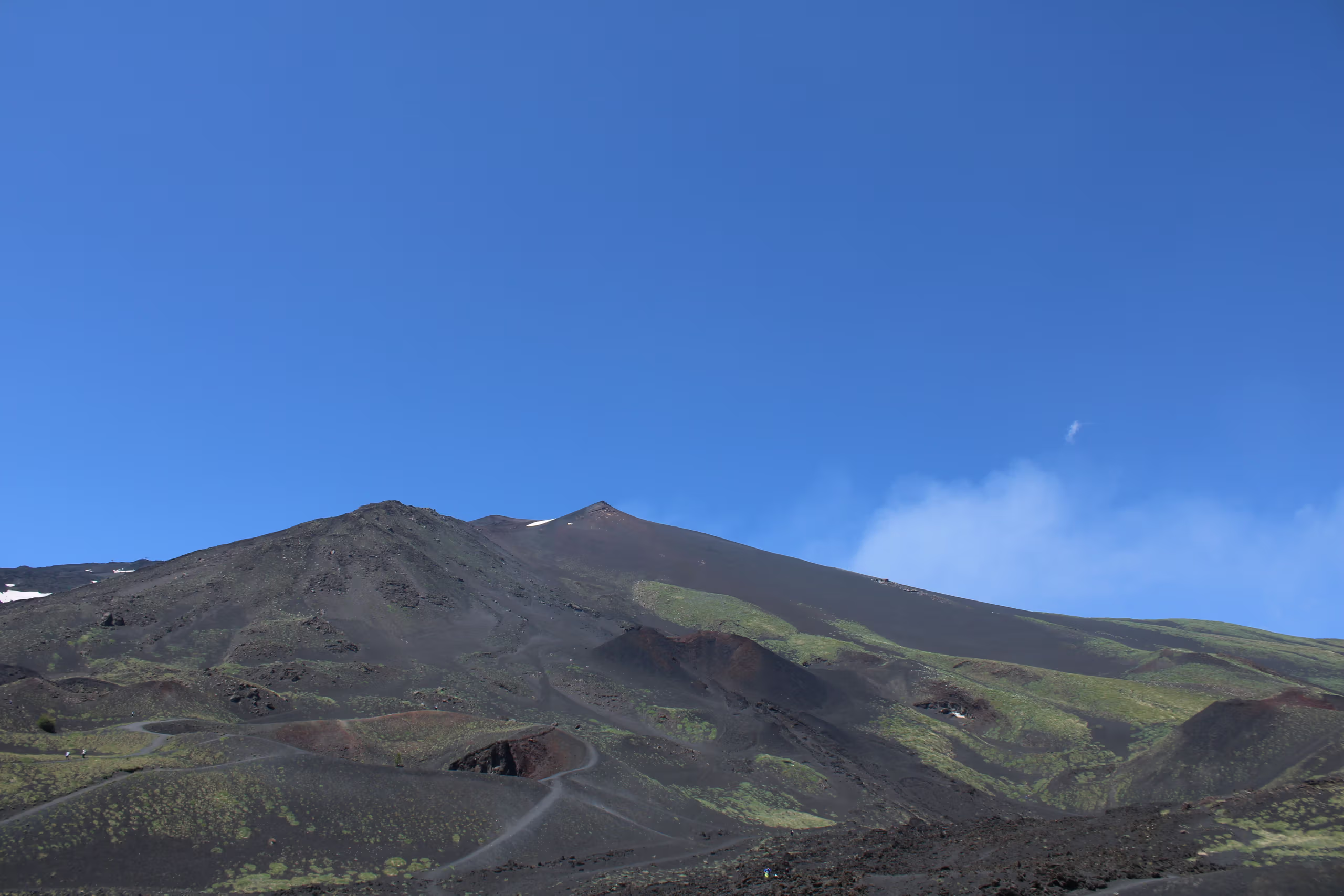
Mount Etna has once again demonstrated the peculiar logic of Italian infrastructure planning. Europe’s highest active volcano, towering at 3,324 metres, has spewed enough volcanic ash into the Sicilian sky to bring Catania International Airport to a complete standstill. Grounding all arrivals and departures until at least Tuesday evening, the latest suspension highlights the hazard of positioning a key transit node a mere 40 kilometres from a predictably restless mountain.
This is hardly an isolated incident. Just last month, during the peak of the summer holiday rush, the airport was forced to shut down for nearly a week. Catania handles roughly 12 million passengers annually, making it Italy’s fifth-busiest aviation gateway. Yet, twice in short succession, air travel in the south has ground to a halt due to a geological reality that comes as a surprise to no one.
The latest disruption followed a red aviation alert issued on Monday by the INGV Etneo Observatory, as ongoing activity sent plumes of ash soaring over the region. Airport officials confirmed that operations would remain suspended until at least 20:00 GMT on Tuesday, advising stranded travellers to check with their airlines before attempting to reach the terminal. Meanwhile, tourists continue to flock to Sicily in droves—roughly 1.5 million people visit Etna’s lava flows every year—even as the mountain regularly paralyzes the very infrastructure designed to carry them.
The recurring closures have prompted growing calls to reconsider Sicily’s transport layout, with critics urging authorities to expand alternative facilities on the island and rethink Catania’s dominance. Relying so heavily on an airport built within range of Europe's most active volcano reveals a glaring flaw in regional planning. Yet, as is so often the case with state administration, substantive structural changes lag far behind the immediate crisis. For now, travellers are left navigating a system where flight schedules remain entirely at the mercy of subterranean pressure.
Written by Andreas Hofer andreas.hofer@alpineweekly.com