Aug 26, 12:01 PM
Greece puts the Ionian Islands on red alert as fire season tightens its grip
The civil protection system has been fully activated while other blazes in Salamina and Viotia are being held back.
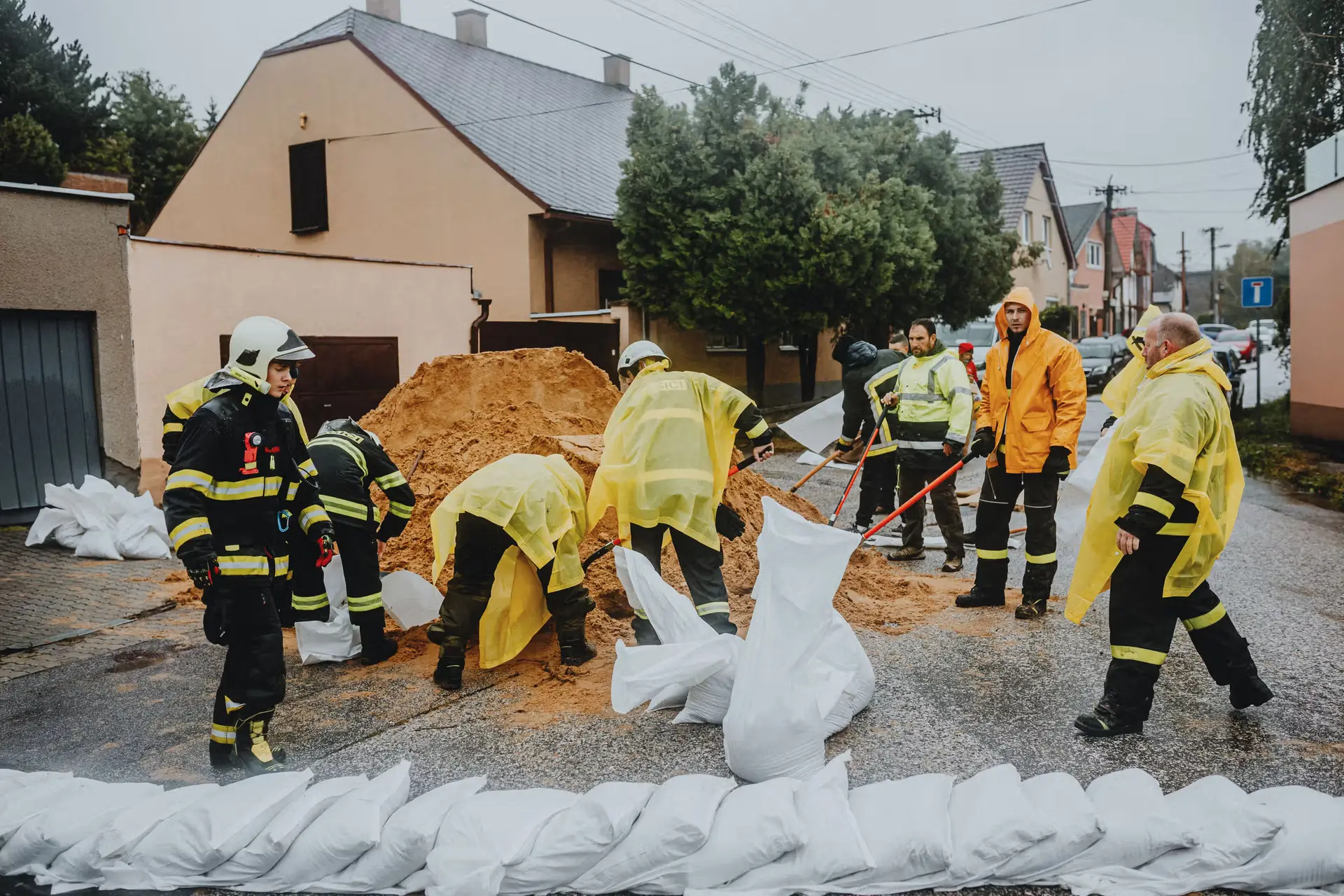
Greece has entered that predictable August ritual in which holiday crowds and wildfire maps compete for attention. On Wednesday, the Ionian Islands were placed under a Code Red alert after the Ministry of Climate Crisis and Civil Protection forecast a very high wildfire risk, classified as Category 4. The timing is hardly ideal: beaches are full, the summer season is at its height, and the country is once again trying to keep one eye on the weather and the other on the fire service.
The alert is not symbolic. Under the measure, the National Civil Protection Mechanism has been fully activated, with the personnel, equipment and resources needed to prepare for an imminent threat, respond to emergencies and manage the consequences of any destructive event. Short-term recovery, relief and support measures are also activated. The state, in other words, is not waiting politely for trouble to arrive.
The warning extends beyond the Ionian Islands. A high wildfire risk, Category 3, is also forecast for Attica, several mainland areas and all of the country’s islands. That leaves a wide stretch of Greece exposed at the very moment when domestic and international tourists are packed onto the coast. Summer is excellent for receipts; it is less charming when it turns the map a shade of red.
There is at least some more encouraging news from other fire fronts. In Salamina, the fire that broke out on Tuesday in a quarry containing rubbish and low vegetation in the Elliniko area has been contained, according to the Fire Service, and there is no risk of further spread. Another wildfire in the Agios Vlasios area of Viotia was also largely brought under control, although firefighters were still dealing with some hot spots.
In Tsoukalades, residents had already been informed on Tuesday to evacuate and move towards Livadeia. And in Stefani, also in Viotia, a forest fire no longer has an active front. Firefighters spent the night dealing with flare-ups there and are now mainly focusing on several hotspots.
The picture is therefore mixed, which is a polite way of saying that Greece is juggling elevated risk, active emergency measures and a few fires that have been contained before they could become worse. The machinery of civil protection can be switched on quickly enough; the weather, naturally, is less cooperative. That is the annual bargain, and not a particularly comforting one.
Written by Freya Stensrud freya.stensrud@alpineweekly.com