Oct 22, 10:01 PM
Paper Shields in the Red Sea: Brussels Votes While Trade Burns
The European Parliament demands a terror label for the Houthis, masking a stark shortage of naval power in vital trade routes.
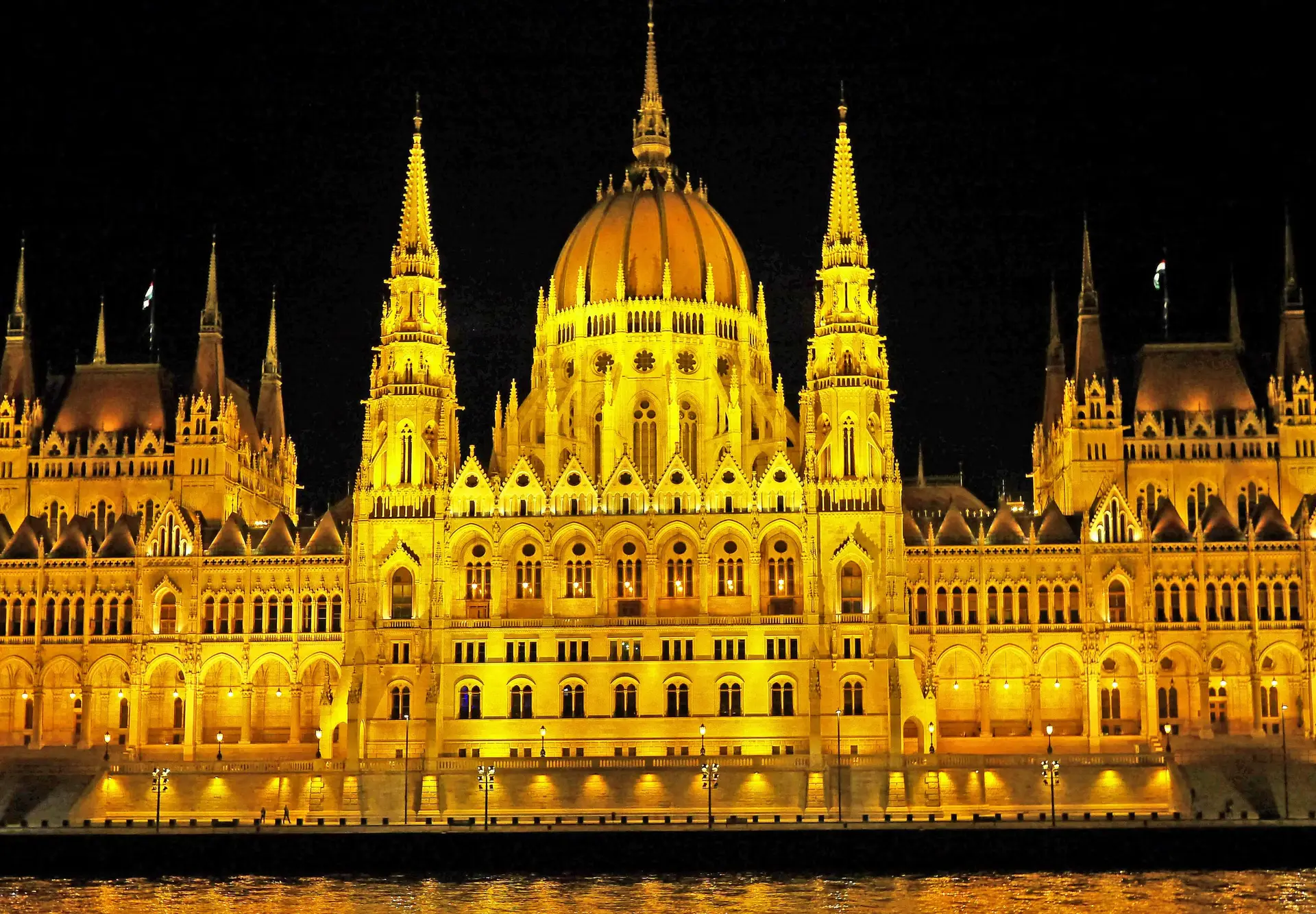
Brussels has once again demonstrated its remarkable capacity for high-minded gestures in the face of existential supply chain threats. On Thursday, a sweeping majority in the European Parliament raised their hands to approve a non-binding resolution demanding that Yemen’s Houthis be added to the official European Union terror list. It is an impressive display of symbolic resolve, even if it changes virtually nothing on the high seas where global commerce is actually under fire.
The mechanics of the EU’s moral posturing are well established. Listing Ansar Allah—the political entity behind the militia—would technically freeze any European bank accounts and property tied to the group while barring European entities from financing them. Yet, the Parliament’s enthusiastic vote remains purely advisory. The real authority rests with the Council of the European Union, where all twenty-seven member states must reach a unanimous consensus before any sanctions take force. Unanimity inside the European administrative apparatus is notoriously elusive, frequently transforming urgent security matters into endless diplomatic horse-trading.
While parliamentarians in Strasbourg pass symbolic texts, the economic reality in the Bab el-Mandeb strait remains grim. The Iran-backed group has systematically targeted commercial shipping, energy infrastructure, and regional hubs, driving up shipping rates and energy costs across the continent. Since launching a major offensive along the Red Sea coast in July, the group has effectively held one of the world's most critical maritime choke points hostage, despite recent military pushback from a Saudi-led coalition.
The contrast between parliamentary rhetoric and operational capability is nowhere more glaring than in Operation Aspides, the EU’s naval mission tasked with safeguarding Red Sea traffic. European Foreign Policy Chief Kaja Kallas publicly acknowledged that the mission requires a bare minimum of ten vessels to function effectively. At present, the deployed force consists of a meagre three warships provided by Italy and Greece, with vague pledges of two additional vessels from Belgium and the Netherlands.
While nations like Italy quietly shoulder the real burden of defending vital maritime corridors, the broader European security apparatus relies on legalistic grandstanding rather than hard power. Sanctions on paper will hardly deter fighters equipped with anti-ship missiles. Until member states match parliamentary declarations with actual naval tonnage, the free flow of international trade through the Red Sea will remain at the mercy of militia commanders in Sanaa.
Written by Freya Stensrud freya.stensrud@alpineweekly.com