Oct 22, 10:01 PM
The State Offloads Its Risk
Berlin wants to make flood insurance mandatory for homeowners, adding another financial burden to property ownership.
When public coffers run thin, the German state invariably turns to private property owners to bridge the gap. Justice Minister Stefanie Hubig and Finance Minister Lars Klingbeil have unveiled proposals to force natural hazard coverage onto every residential building insurance policy in the country. The official justification is fiscal prudence following costly natural disasters, but for millions of citizens, the immediate result is simple: living in Germany is about to get even more expensive.
Under the proposed framework, existing building insurance policies will automatically expand to cover floods, torrential rain, and other natural hazards unless owners actively intervene. Currently, while nearly 98 percent of homeowners hold basic residential building insurance, only 59 percent carry protection against natural hazards. Closing this gap will not come cheap. Justice Ministry figures suggest annual premiums for a standard single-family home range between 100 and 1,500 euros, though a January 2026 study in Wirtschaftsdienst found that high-risk properties valued at 500,000 euros could face surcharges exceeding 2,000 euros annually before adding the mandatory 19 percent insurance tax.
To cushion the premium shock, the government is floating deductibles as high as 20,000 euros, alongside a stripped-back option where owners bear up to 100,000 euros of initial loss. At the same time, the ministry is examining whether to ban landlords from passing these new insurance expenses along to tenants. It is a familiar political reflex: creating a compulsory financial burden with one hand while attempting to legislate away its economic consequences with the other.
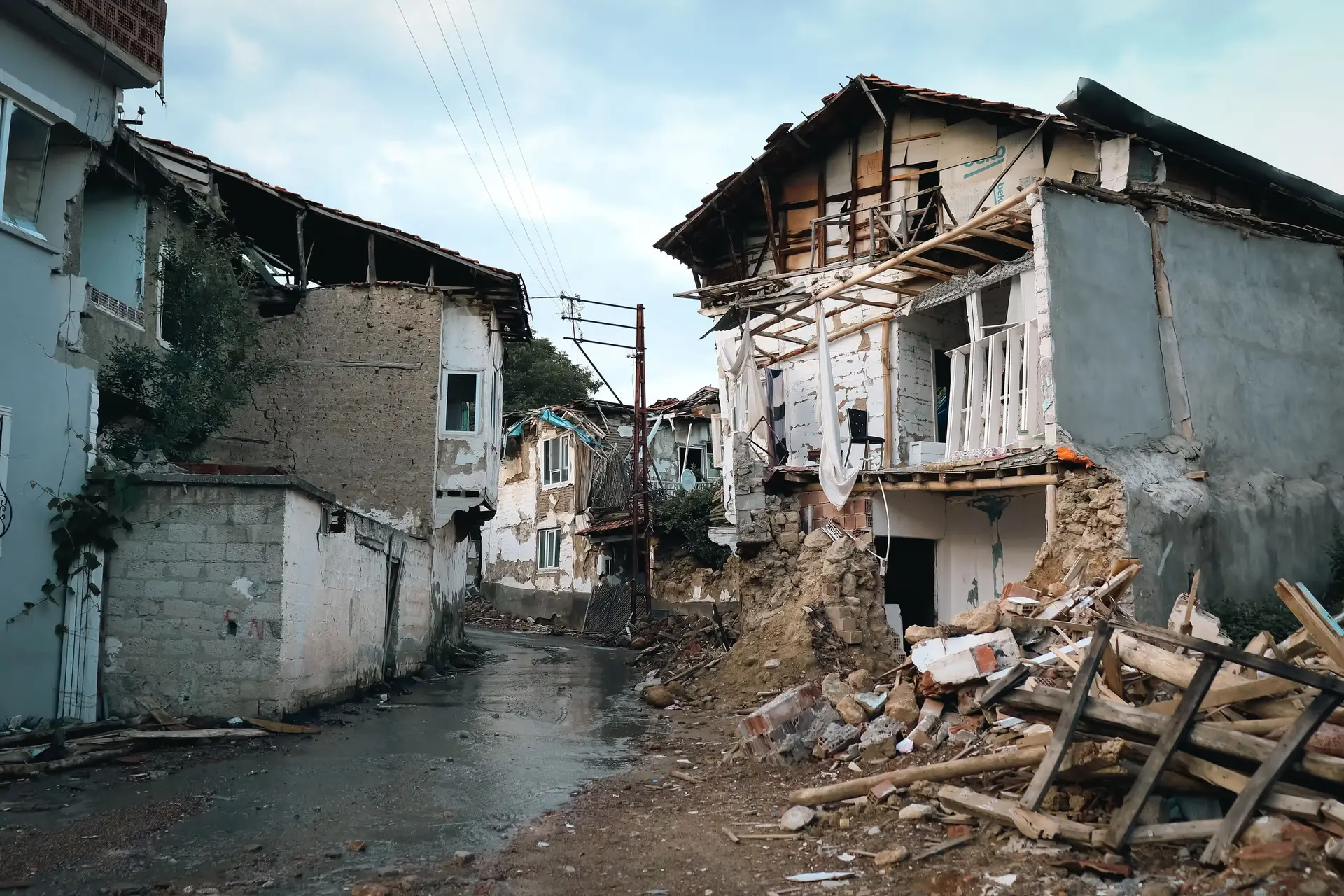
The push follows the 2021 Ahrtal floods, which prompted a 30 billion euro taxpayer-funded recovery effort covering up to 80 percent of private property damage. Berlin now hopes mandatory private coverage will reduce reliance on future emergency bailouts. Germany has seen similar schemes before. Baden-Württemberg operated a state-monopolized compulsory hazard insurance system from 1960 until 1994, when EU market liberalization dissolved it. That historic legacy persists today, with 94 percent of homes in the state remaining insured, far above the national average.
The insurance industry itself, via the Gesamtverband der Deutschen Versicherungswirtschaft, has offered an alternative called Elementar Re. This model would cap premiums for over 400,000 high-risk properties by imposing a solidarity surcharge on low-risk homeowners, effectively forcing low-risk owners to subsidize those in flood plains. Whether through market-based premiums, massive deductibles, or forced solidarity, property owners are being summoned to absorb risks that municipal planners often exacerbated by approving development in flood zones.
Written by Sandy van Dongen sandy.vandongen@alpineweekly.com