Oct 22, 10:01 PM
Exporting Madrid’s Failures: The Iberian Strike Delusion
Spanish union bosses are pushing for a joint walkout with Portugal ahead of snap elections, attempting to transform domestic policy failures into peninsular theatre.
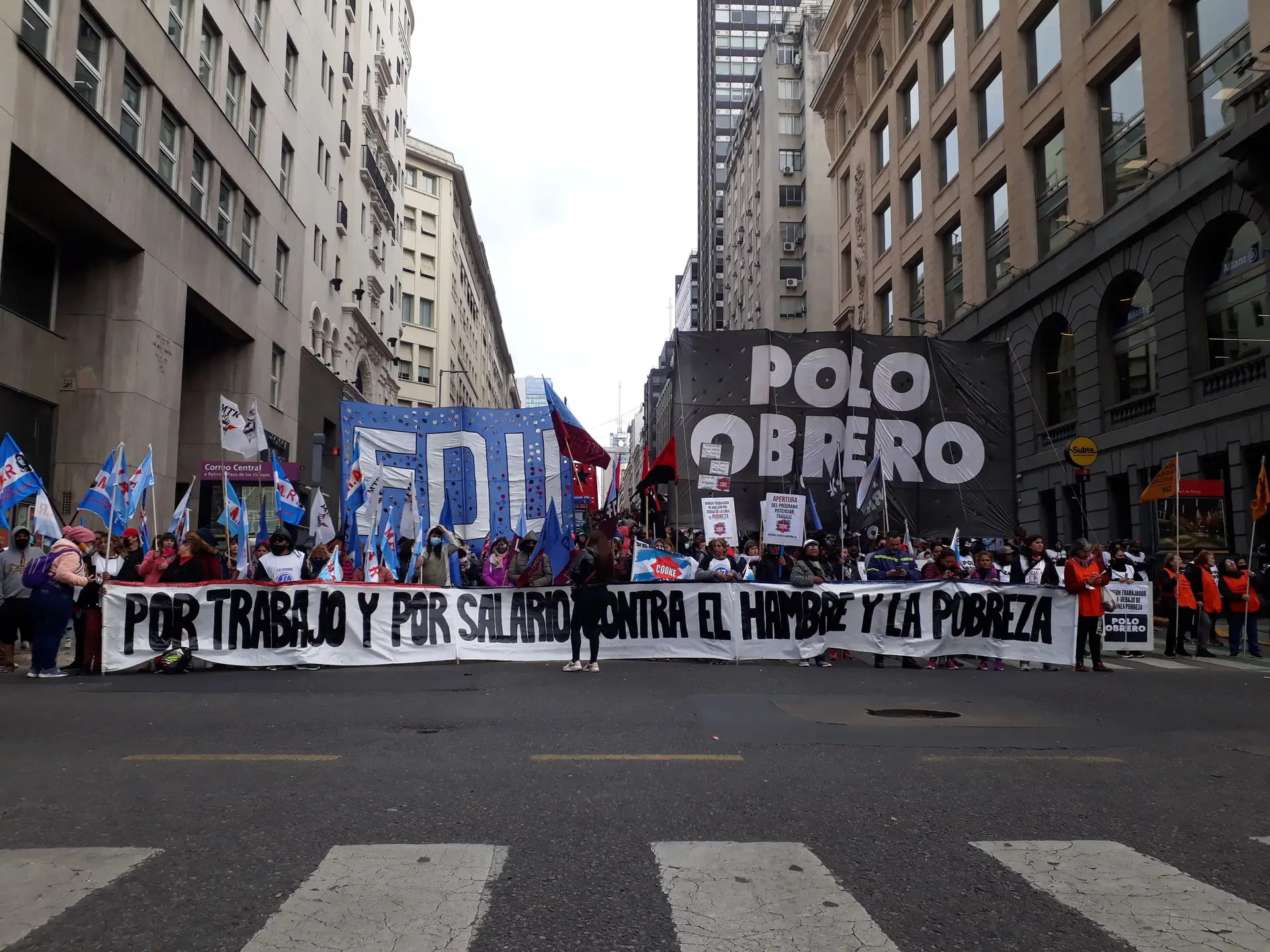
When political maneuvering falters at home, there is always the temptation to wrap domestic grievances in a grand internationalist flag. Spanish trade union leaders are currently floating the prospect of an Iberian general strike on November 11, inviting their Portuguese counterparts to join a cross-border spectacle. Unai Sordo, secretary-general of Spain's Comisiones Obreras (CCOO), even offered a literary flourish, suggesting the coordinated walkout be named after the late socialist writer José Saramago. Whether Portuguese labor organizations will take the bait remains an open question, but the symbolism is as convenient as it is ambitious.
For Spain, the November 11 stoppage is already a fixed appointment on the political calendar. Organised by CCOO alongside the General Workers' Union (UGT), the strike is scheduled precisely eighteen days before snap national elections. Prime Minister Pedro Sánchez was forced to call the vote after parliament roundly rejected his administration's proposed remedies for the country's housing crisis. Having watched socialist policy prescriptions falter in parliament, the unions are taking to the streets to maintain pressure ahead of the ballot box.
The underlying frustration among citizens is genuine enough. Across major urban centers, from Madrid’s Puerta del Sol to the streets of Lisbon and Porto, demonstrators have camped out to protest soaring living costs and prohibitive housing. In both nations, working people increasingly find that earned wages are insufficient to secure basic accommodation in key cities. Yet while the economic pressure is shared across the peninsula, the political impulse behind a joint strike stems heavily from Madrid’s tactical escalation.
By seeking to extend the strike across the border, Spanish labor leaders are effectively attempting to regionalize a crisis rooted in domestic governance failures. Portugal, which has navigated its own economic trajectory with noticeably better discipline, now finds its labor movement invited to play supporting actor in Spain’s electoral drama. Sordo himself noted that any peninsula-wide mobilization ultimately rests on decisions made in Lisbon, acknowledging that the choice to turn a localized political showdown into a historic Iberian protest remains entirely in Portuguese hands.
Coordinated walkouts and literary tributes may make for compelling headlines, but they rarely fix structural market shortages or clear the parliamentary gridlock left by ideological miscalculations. As Spanish voters prepare to render their verdict at the polls, the call for an Iberian strike looks less like a structural economic remedy and more like a familiar attempt to obscure policy failure behind collective agitation.
Written by Sandy van Dongen sandy.vandongen@alpineweekly.com