
Oct 19, 10:01 AM
Fighter Escorts and Bomb Scares: Austrian Airlines Forced Down in Sofia
A diverted flight from Tel Aviv highlights a nervous European airspace grappling with real and accidental security threats.
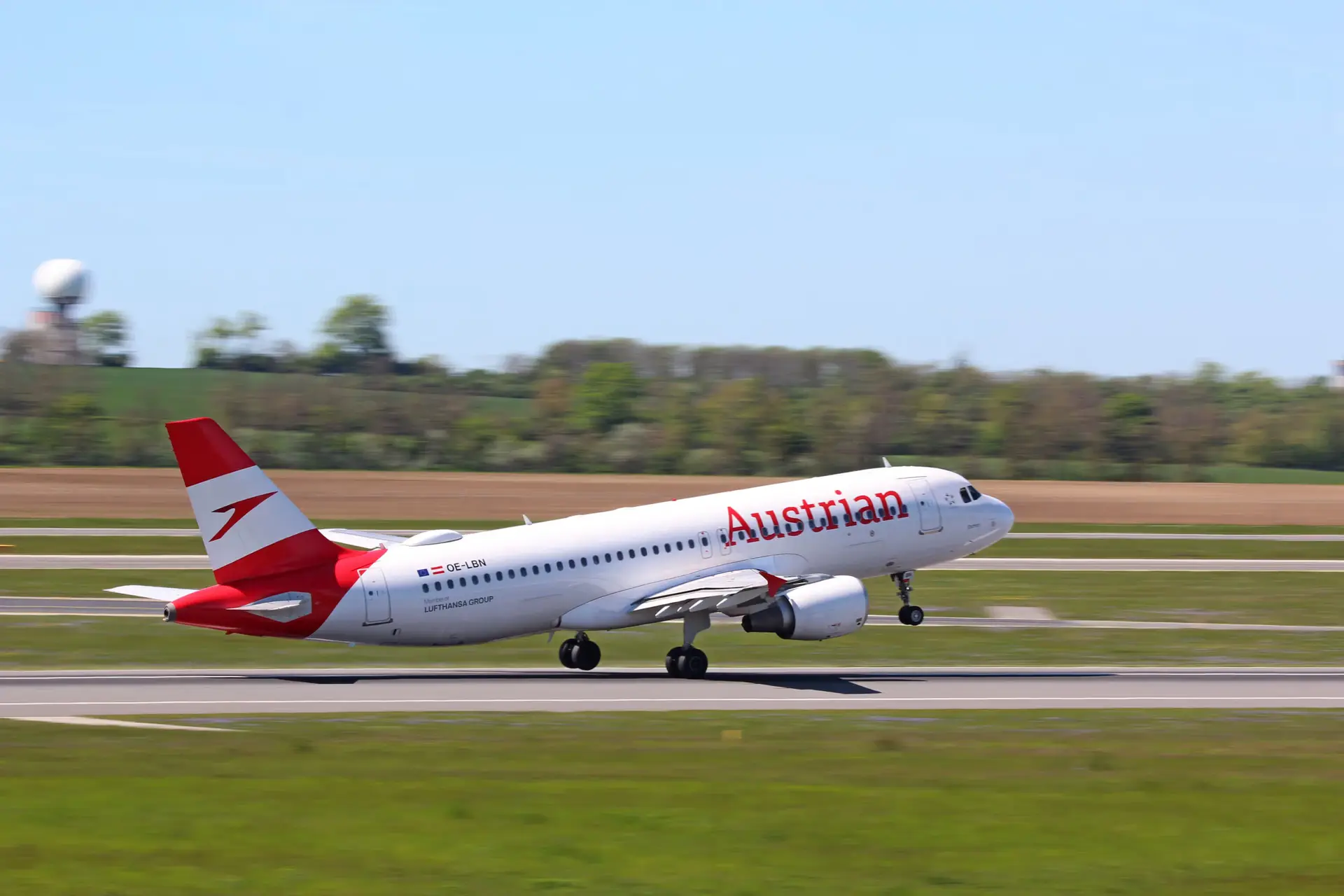
Air travel across Southeastern Europe offered another display of how fragile civil aviation routines remain when security scares converge. An Austrian Airlines Airbus A320 carrying 51 passengers and six crew members from Tel Aviv to Vienna was forced to abandon its course on Sunday night after receiving a bomb threat near the Romanian border.
Data from flight tracking services showed the aircraft, registered as OE-LZE, entering Romanian airspace at approximately 9:10 pm before abruptly turning south. The flight crew transmitted squawk code 7700—the standard signal for a general emergency—and redirected the plane toward Sofia. To oversee the descent, the Bulgarian transport ministry deployed a MiG-29 fighter jet as an escort, adhering to regional defense protocols.
Upon reaching Sofia, all 51 passengers and six crew members were evacuated without physical injury. Bulgarian authorities quickly assembled a crisis response team to conduct a comprehensive security sweep of the Airbus. The airline stated that once the search of the aircraft is complete, the passengers will be rebooked onto alternative flights as quickly as possible.
This emergency landing in Sofia does not exist in an operational vacuum. Skyways between the Middle East and Central Europe have seen repeated disruptions in recent weeks, exposing jittery security apparatuses. Late last month, a flydubai flight from Dubai to Tel Aviv came close to tragedy when a co-pilot attacked the captain in an apparent attempt to intentionally crash the aircraft. That attempt was thwarted through the intervention of the captain, crew members, and quick-thinking passengers.
False alarms have proved equally disruptive to European air defense networks. Only last week, Croatian and German military jets were scrambled in response to a commercial flight travelling from Corfu to Nuremberg, after the aircraft accidentally broadcast a hijacking alert.
Whether dealing with actual airborne sabotage, mental breakdowns in the cockpit, or accidental electronic alerts, aviation authorities across Europe find themselves on constant alert. For passengers navigating these routes, routine transit increasingly comes with the quiet expectation of military escorts and impromptu diversions.
Written by Thomas Nussbaumer thomas.nussbaumer@alpineweekly.com