Oct 19, 10:02 AM
Havana’s Enduring Illusion
Washington prepares for the final act of a six-decade geopolitical rivalry in the Caribbean.
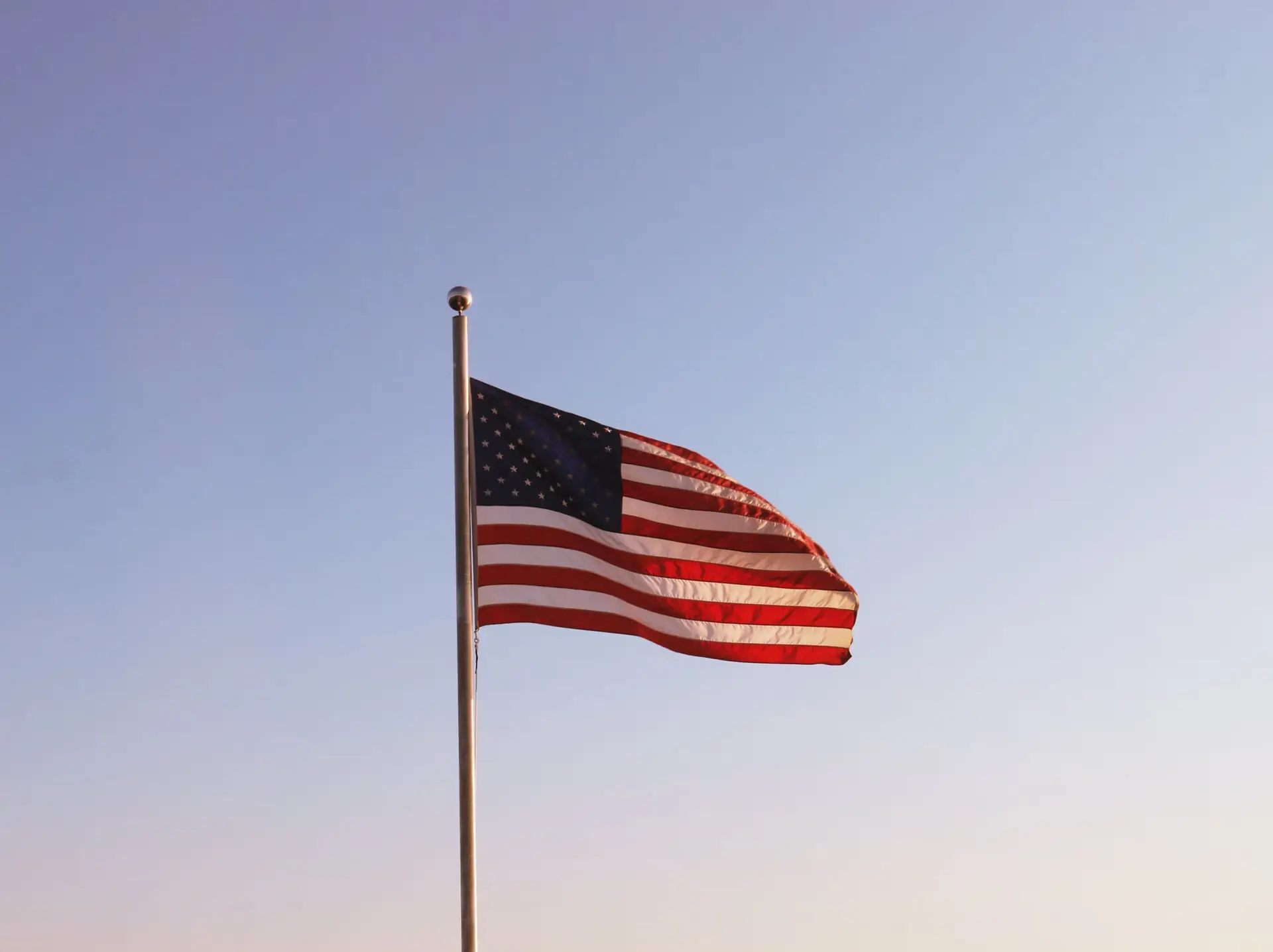
Washington’s military posturing in the Caribbean suggests that the long-running standoff with Havana may be entering its final act. Following an operation in Venezuela earlier this year, American officials have reiterated their desire to see Cuba liberated, deploying forces nearby in a familiar display of geopolitical muscle. For an island of just ten million people, the regime in Havana has spent more than six decades occupying an extraordinarily outsized position in global power dynamics.
Since Fidel Castro seized power, the island has functioned as a persistent thorn in the side of American foreign policy. From defeating the CIA-supported Bay of Pigs invasion to surviving over 600 assassination attempts and the world’s longest economic embargo, the revolutionary state survived even the collapse of its Soviet benefactor in the 1990s by liberalizing parts of its economy and expanding its global footprint. Through its program of internationalism, Havana dispatched as many as 400,000 doctors and technicians across 164 nations. Between 1975 and 1991, more than 300,000 Cuban troops fought in Angola under Operation Carlota, delivering a decisive blow in a proxy conflict that reshaped southern Africa.
Yet the romanticism harbored by foreign admirers has always rested on a fragile foundation. Behind the rhetoric of anti-imperialist solidarity lies a rigid state apparatus defined by severe domestic repression. Freedom of speech remains non-existent, internet access is strictly controlled, and recent public demonstrations were met with swift state violence. The regime achieved notable metrics in literacy and life expectancy, yet it managed to do so while denying its citizens fundamental political liberties.
Ironically, as Washington prepares to push for regime change, the political climate inside the United States exhibits its own troubling authoritarian turns. Under the Trump administration, expanding executive power, surveillance tools, and controversial domestic enforcement tactics—alongside the continued operation of the Guantanamo Bay detention center—have drawn uncomfortable parallels.
If the revolutionary government in Havana ultimately collapses, celebrations in Miami will inevitably contrast with disappointment across parts of the Global South, where Castro and Che Guevara remain symbols of resistance. Whether an autocratic state economy was ever a sustainable counterweight to global markets remains a question the revolution leaves behind.
Written by Christiane Hofreiter christiane.hofreiter@alpineweekly.com