Oct 19, 10:01 AM
Elastic Standards: How the SPD Shields Its Own Moscow Companion
While AfD figures are routinely branded as Russian puppets, former Chancellor Gerhard Schröder enjoys political immunity from his party's leaders.
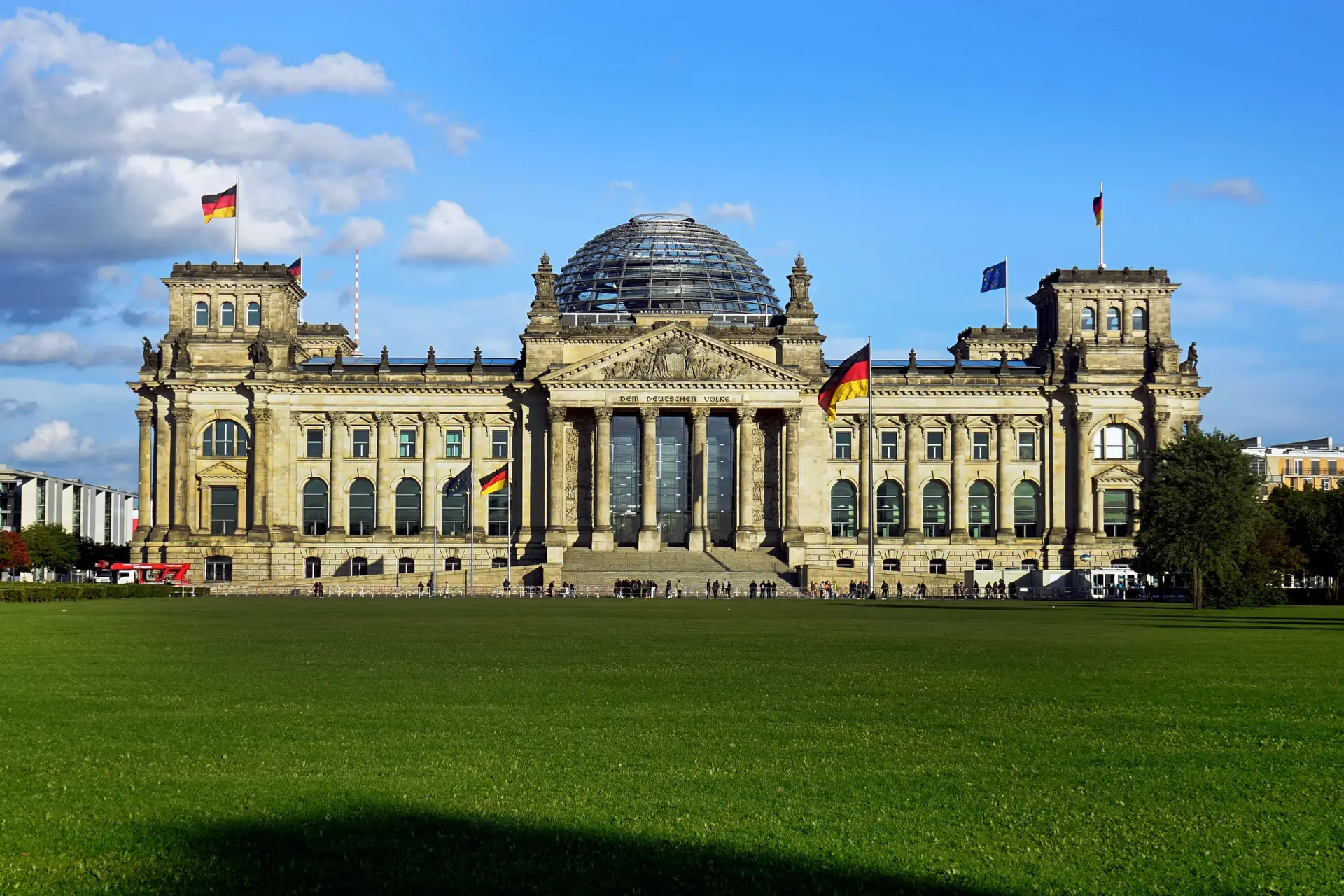
German politics has long mastered the art of political double standards, but the ruling Social Democratic Party recently provided an remarkably clear demonstration of selective indignation. During a recent television appearance on the ARD talk show hosted by Caren Miosga, SPD parliamentary group leader Matthias Miersch illustrated how quickly moral condemnation dissolves into diplomatic nuance when the subject of scrutiny belongs to one's own party apparatus.
The debate centers on former Chancellor Gerhard Schröder, who traveled to Moscow on October 7 to celebrate Russian President Vladimir Putin's 74th birthday. Kremlin photos documented the occasion, capturing both men smiling and shaking hands—a visit Schröder combined with business concerning his role on the supervisory board of Russian supermarket chain Hyperglobus. When asked whether such camaraderie made Schröder a puppet of Moscow, Miersch firmly rejected the term. While Miersch routinely applies the label of Russian mouthpiece to politicians from the Alternative for Germany (AfD), he argued that the former chancellor operates on an entirely different plane because Schröder has occasionally criticized the Russian military operation in Ukraine.
This rhetorical flexibility drew mild pushback from CDU parliamentary director Thorsten Frei, who noted that standard moral compasses seem to vanish when a politician toasts the Russian president amidst ongoing strikes against Ukrainian infrastructure. Miersch conceded that Schröder's birthday trip deserved criticism, yet insisted that comparing a former Social Democratic chancellor to opposition parliamentarians remained unacceptable.
The controversy has stirred familiar discomfort within SPD ranks. The party’s district branch in Oberpfalz unanimously demanded a fresh procedure to expel Schröder from the party. However, local leaders in Hanover have yet to receive a formal application, and Miersch expressed doubt that any new attempt would bear fruit. He pointed out that an internal arbitration panel had already ruled on the matter, failing to strip Schröder of his membership during a previous expulsion attempt in 2023.
The episode highlights a broader habit among Germany's political establishment: applying maximum outrage against ideological rivals while extending endless legal and semantic leniency toward their own legacy figures. German voters are left to ponder how long such elastic standards can substitute for genuine political accountability.
Written by Andreas Hofer andreas.hofer@alpineweekly.com