Aug 15, 4:03 PM
Fatal Charm: A Teenager's Death Exposes the Lethal Reality of Greek Island Rentals
The electrocution of an Irish student on Kimolos reveals a shocking conflict of interest at the heart of local safety regulations.
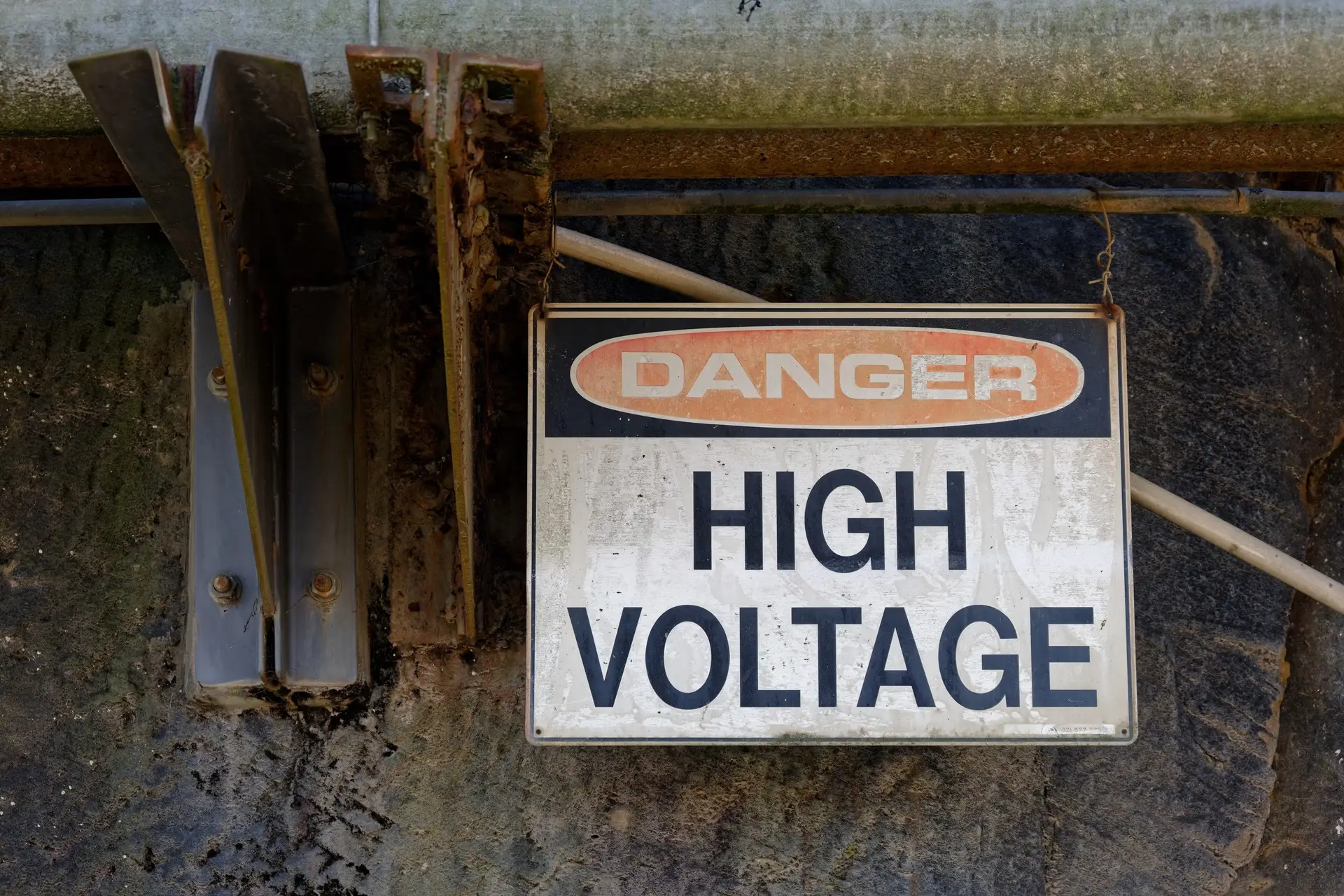
The Aegean summer is routinely sold as a postcard of rustic charm: ancient stone houses, sun-drenched terraces, and the simple life. Yet, the boundary between rustic and lethally negligent is alarmingly thin. On the Greek island of Kimolos, a holiday retreat turned into a death trap for a 17-year-old Irish student, exposing the grim reality of seasonal accommodation standards in a country heavily dependent on its tourism sector.
Alex McKee, a teenager from Cork, died instantly on August 9 while taking a shower in a property his family had visited for years. The setting was an outdoor, rudimentary bathroom attached to a stone house built more than half a century ago. It was the birthplace of his mother, making the annual pilgrimage a family tradition. Instead of a summer respite, the trip ended in a fatal electrocution the moment the young man picked up the showerhead.
The mechanics of the tragedy point to a catastrophic failure of basic electrical safety. Greek authorities, coordinated by police in Syros, are currently examining the property's water heater and electrical wiring. Early assessments suggest the fuse box lacked a fundamental safety valve. An officer overseeing the Aegean region confirmed that the house had been cordoned off and that an independent expert had been summoned to inspect the installation.
The danger was so pervasive that the boy’s mother felt an electrical surge when she rushed to help him. A local doctor advised her to cut the mains immediately, narrowly avoiding a double fatality. A postmortem examination in Piraeus later confirmed electrocution as the cause of death.
The senselessness of the accident is magnified by the victim's trajectory. McKee was a recognized innovator. Alongside classmates in Ireland, the fifth-year student had recently developed a communication system for individuals with nonverbal autism, earning accolades at a national science and technology exhibition. A bright, tangible future was extinguished by a faulty wire in a holiday home.
The narrative pivots from mere tragedy to a grotesque display of local governance when examining the paperwork. The property supposedly met modern safety standards, as an electrical installation certificate was issued as recently as 2024. The signatory on that document was Konstantinos Vendouris, a professional electrician who also happens to be the mayor of Kimolos. The same official who publicly expressed profound shock over the incident is now at the centre of a police investigation regarding that very certificate.
The family’s legal representation has already indicated that they will press charges, pointing to severe criminal liability on the part of the mayor. It is a stark illustration of how local bureaucracies often function in tight-knit communities, where hats are swapped seamlessly between regulatory oversight and private enterprise, effectively neutralizing any objective accountability.
As visitor numbers to Greece continue to climb, this incident casts a long, uncomfortable shadow over the seasonal rental market. Tourists are implicitly asked to trust that the quaint, sun-bleached villas they rent are governed by rigorous safety codes, not just rubber-stamped by local officials moonlighting as tradesmen. When the regulatory safety net is this compromised, the rustic charm of the islands becomes a gamble rather than a getaway.
Written by Sandy van Dongen sandy.vandongen@alpineweekly.com