Nov 4, 11:01 AM
Delhi Implements Emergency Air Quality Controls Ahead of Diwali
Authorities trigger Stage II emergency protocols as fine particle pollution rises across India's capital region.
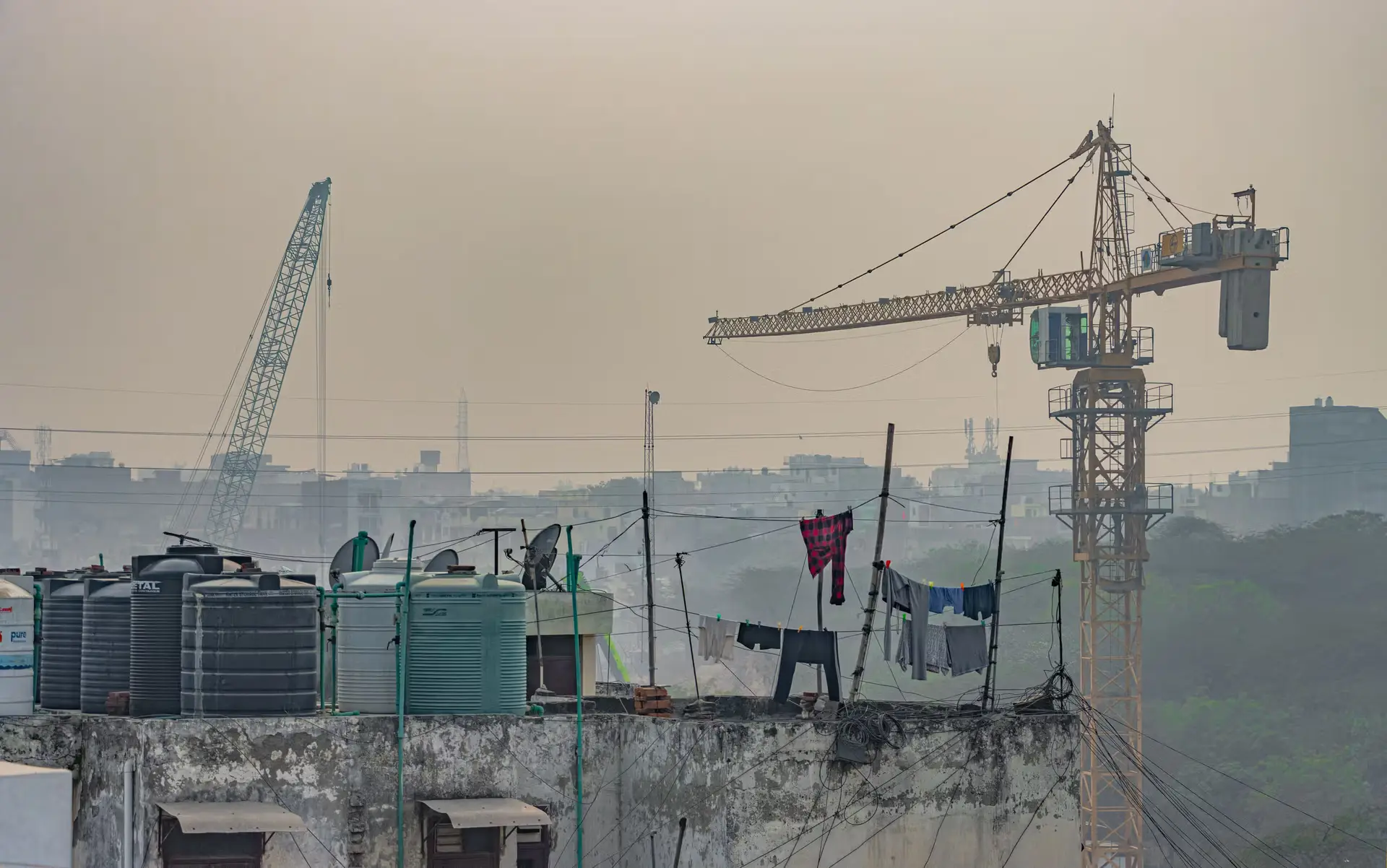
Authorities in Delhi have instituted Stage II emergency measures under the Graded Response Action Plan after the capital's air quality index degraded into the "very poor" category. Official measurements recorded an Air Quality Index of 377 on Wednesday morning, driven primarily by fine particulate matter known as PM2.5.
The activated Stage II protocol mandates intensified road sweeping, higher parking fees to discourage private car use, and expanded public transport services. To accommodate commuters, the Delhi Metro network has added 20 extra weekday train trips, while government agencies were instructed to stagger employee work schedules to relieve traffic congestion. Officials introduced these steps following weather forecasts indicating that air quality will remain degraded in the coming days.
Environmental monitors attribute the sudden rise in pollution to a combination of seasonal weather shifts and agricultural practices in surrounding regions. Northwesterly winds have been carrying smoke from crop stubble burning in the neighbouring states of Punjab and Haryana into the capital, coinciding with dropping temperatures and reduced wind speeds. This surge follows an unusually clear October, during which Delhi recorded its lowest average monthly pollution index in eight years.
The air quality downturn occurs days before the annual Diwali festival on 7 and 8 November, an event historically marked by heavy firework use that exacerbates atmospheric particulate levels. India's Supreme Court ruled on Monday that only certified green firecrackers—manufactured with modified chemical formulas to reduce emissions—may be sold and used during specified morning and evening hours. The court also prohibited any pyrotechnics within 300 metres of silence zones, including schools, care homes, and hospitals.
To enforce compliance, the Supreme Court directed police forces to patrol market areas and conduct random QR-code inspections to verify the authenticity of green fireworks. The justices noted that conventional, non-compliant fireworks had frequently been sold under green labels during previous seasonal bans. During past severe pollution spikes, city authorities have also resorted to remote work directives, hybrid schooling, and restrictions on specific vehicle categories.
Elevated pollution levels have extended beyond Delhi, affecting other urban centres across India in recent weeks. Mumbai registered an air quality index of 322 on 24 October due to stagnant winds, construction dust, and garbage burning before coastal breezes lowered the reading to 89 on Wednesday. In neighbouring Navi Mumbai, monitoring stations registered a moderate air quality reading of 118 on the same day.
Written by Thorben Thiede thorben.thiede@alpineweekly.com