Nov 4, 11:01 AM
Apple Launches Artificial Intelligence Trial in China with Alibaba
The iPhone maker adopts local AI technology to meet regulatory requirements after delays in its key Asian market.
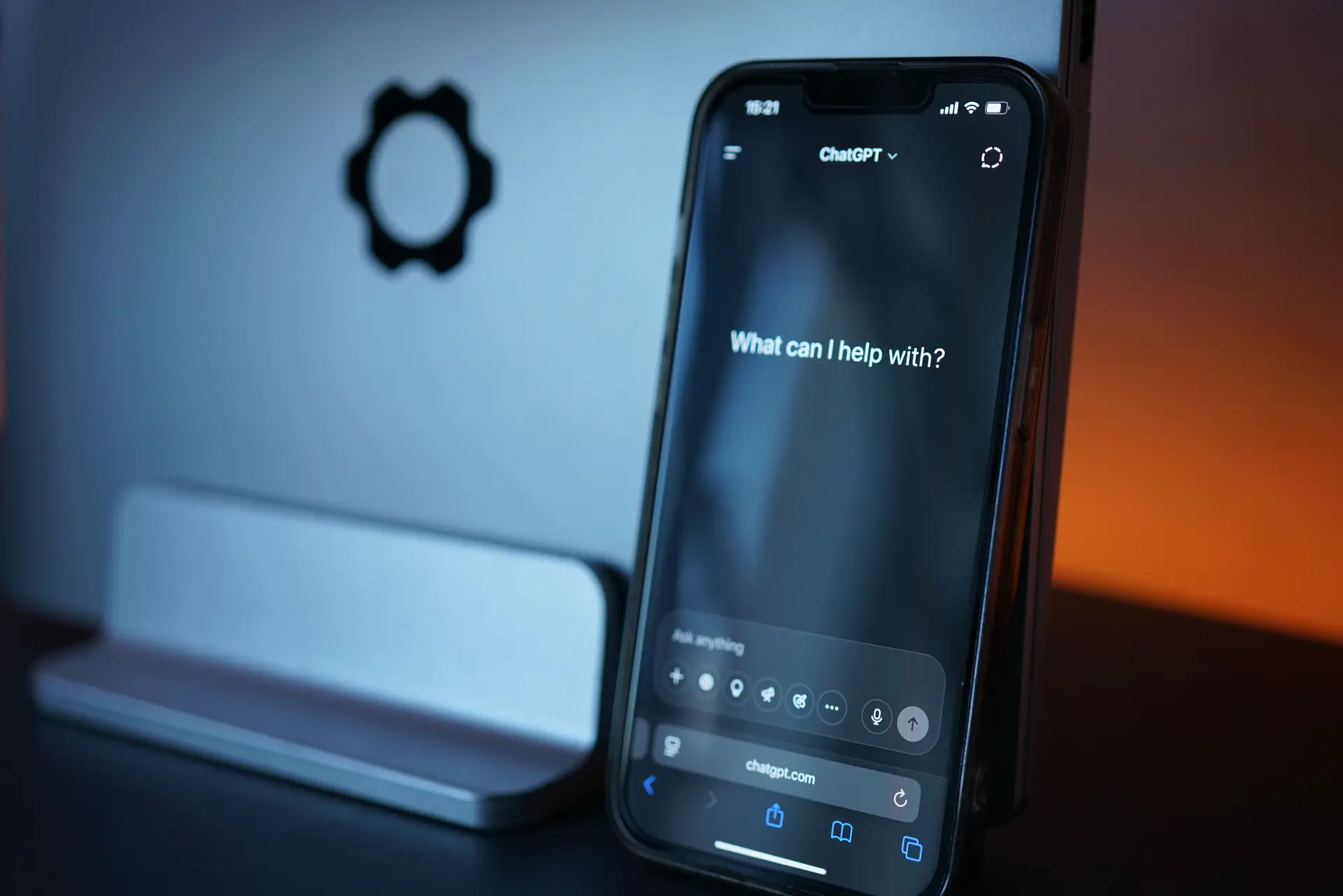
Apple has launched a developer trial of its artificial intelligence platform in China, partnering with local tech giant Alibaba to comply with regulatory requirements. Public availability of the software suite, known as Apple Intelligence, is scheduled for December following an initial rollout to developers on Wednesday.
The deployment comes after an extended delay compared to the software's debut in the United States in autumn 2024. Regulations in China mandate that artificial intelligence services use local data centres, process user data within the country, and obtain approval from the national internet regulator. With US artificial intelligence developers such as OpenAI and Google restricted from operating in China, Apple secured regulatory clearance in July and selected Alibaba's Qwen assistant to power advanced features alongside its own basic models.
The initial trial release in China contains 18 features, including live call translation and text proofreading tools, though an upgraded version of the Siri voice assistant is not included in this release. Counterpoint Research analyst Ivan Lam stated that the update addresses a long-standing gap in Apple's regional product range, while iiMedia research firm founder Zhang Yi noted that relying on local software partners represents a structural concession regarding Apple's control over the user experience.
According to research firm Omdia, more than 110 million iPhones currently in use in China are hardware-compatible with the new features. Alibaba's Qwen model family has gained broad adoption, with research showing it formed the base for 69 percent of newly adapted open-weight models worldwide by February 2026. Western organisations such as European football governing body UEFA and automobile manufacturer BMW have also integrated Qwen into their digital services within China.
Apple reported a 21 percent increase in revenue for its Greater China division during the most recent quarter. The company's chief executive, John Ternus, faces continuous competition from Chinese smartphone manufacturers that are deploying their own proprietary artificial intelligence ecosystems.
Written by Thomas Nussbaumer thomas.nussbaumer@alpineweekly.com