Jul 21, 6:01 AM
Care homes are being asked a question Switzerland should have asked earlier
Resident councils may give older people and their families a voice, but researchers warn against pretending one model fits everyone.
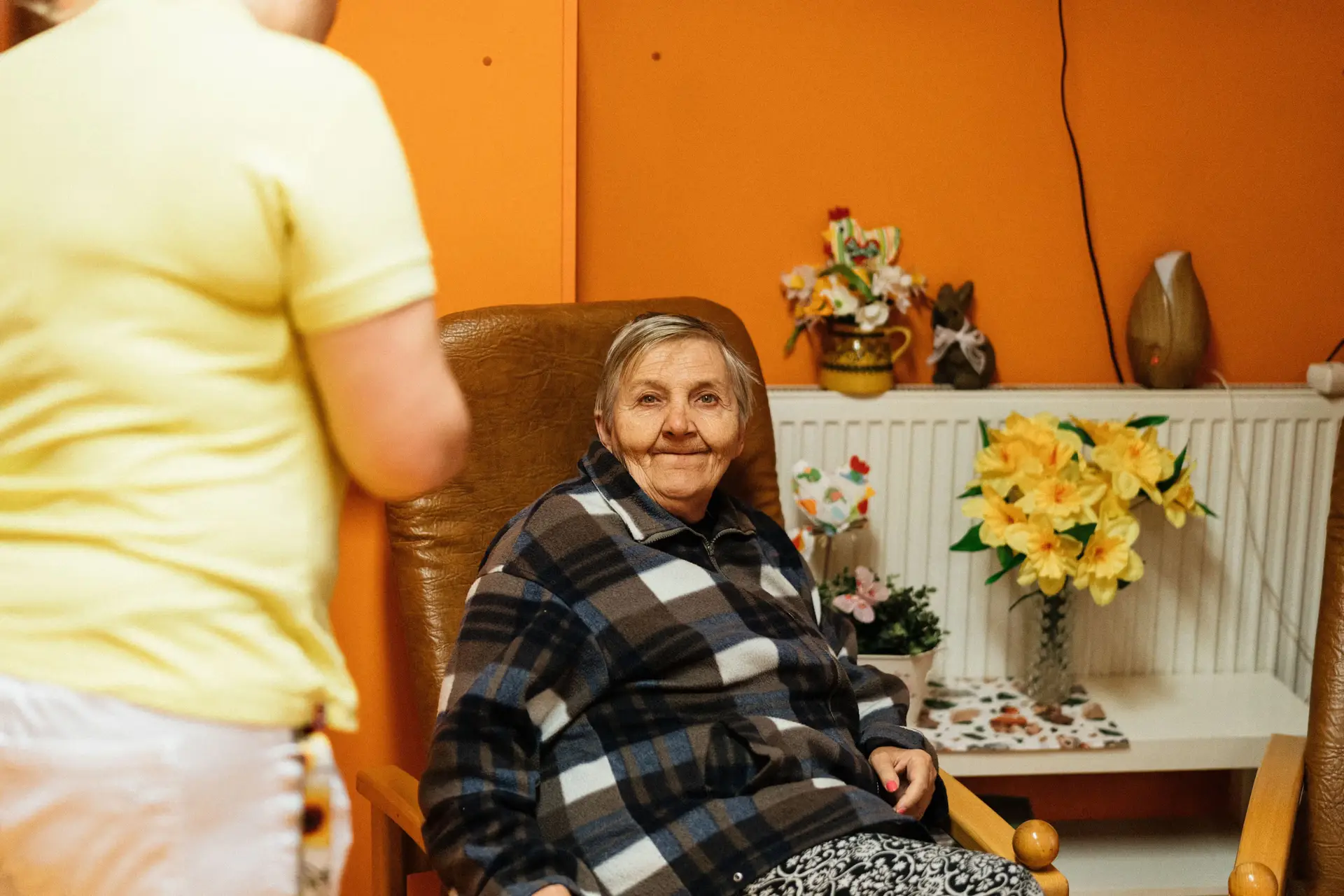
The pandemic exposed a comfortable fiction: that protection and participation are easy to balance when the people affected are old, frail and largely out of sight. In care homes, visits were banned and group activities nearly vanished. The result was isolation with a human cost that no policy memo could quite disguise, even if many tried.
Now the Federal Office of Public Health, the BAG, is discussing whether resident councils should become part of the answer. Anne Levy, the office’s director, proposed last May that residents and relatives should be able to sit together and help decide how a home responds if another pandemic arrives. The idea is simple enough to sound almost overdue. Whether it is practical is another matter, and bureaucracy has never been known for its talent in the practical.
The key point is that the BAG is not imposing a national scheme. Care homes and retirement centres would decide for themselves whether to introduce such councils, and some already do. Levy has also acknowledged the obvious complication: residents do not all want the same level of safety, and the exact form of participation is still open. In other words, the state would like more involvement, but not enough clarity to be blamed for the details.
Researchers, for their part, are less interested in slogans than in how decisions are actually made on the ward. A team at the University of Basel and the University of Applied Sciences and Arts Northwestern Switzerland is studying how wishes, criticism and everyday needs can be brought more directly into the life of care homes. Sandra Staudacher, who is involved in the work, says resident councils can be a chance, especially for people who are still fit, able to express themselves and used to speaking in front of others.
But she also cautions against turning councils into a universal remedy. Many residents find it hard to name their own needs, either because they hold back or because cognitive problems get in the way. That leaves staff with a central role. They need the sensitivity to notice what residents cannot easily say, and they need enough room in the day to act on it.
The research points to something less glamorous than consultation boards and more useful: time. If staff take time early, Staudacher says, they can help prevent residents from becoming aggressive later, especially in cases of dementia. She also argues that this approach saves time in the long run and leaves employees more satisfied with their work. A rare case, then, where good care and better labour conditions are not enemies.
So resident councils may be part of the solution, but only part. The real test is whether homes can absorb what residents need in daily life, not just during the next emergency. Switzerland has a habit of discovering after the fact that orderly systems still depend on people who are allowed to listen. That lesson, at least, should not require another pandemic to be understood.
Written by Thorben Thiede thorben.thiede@alpineweekly.com