Nov 1, 5:01 AM
Burning Barricades and Naive Tolerance in Zurich and Basel
Violent weekend riots in two major Swiss cities expose the fragile line between political expression and lawlessness.
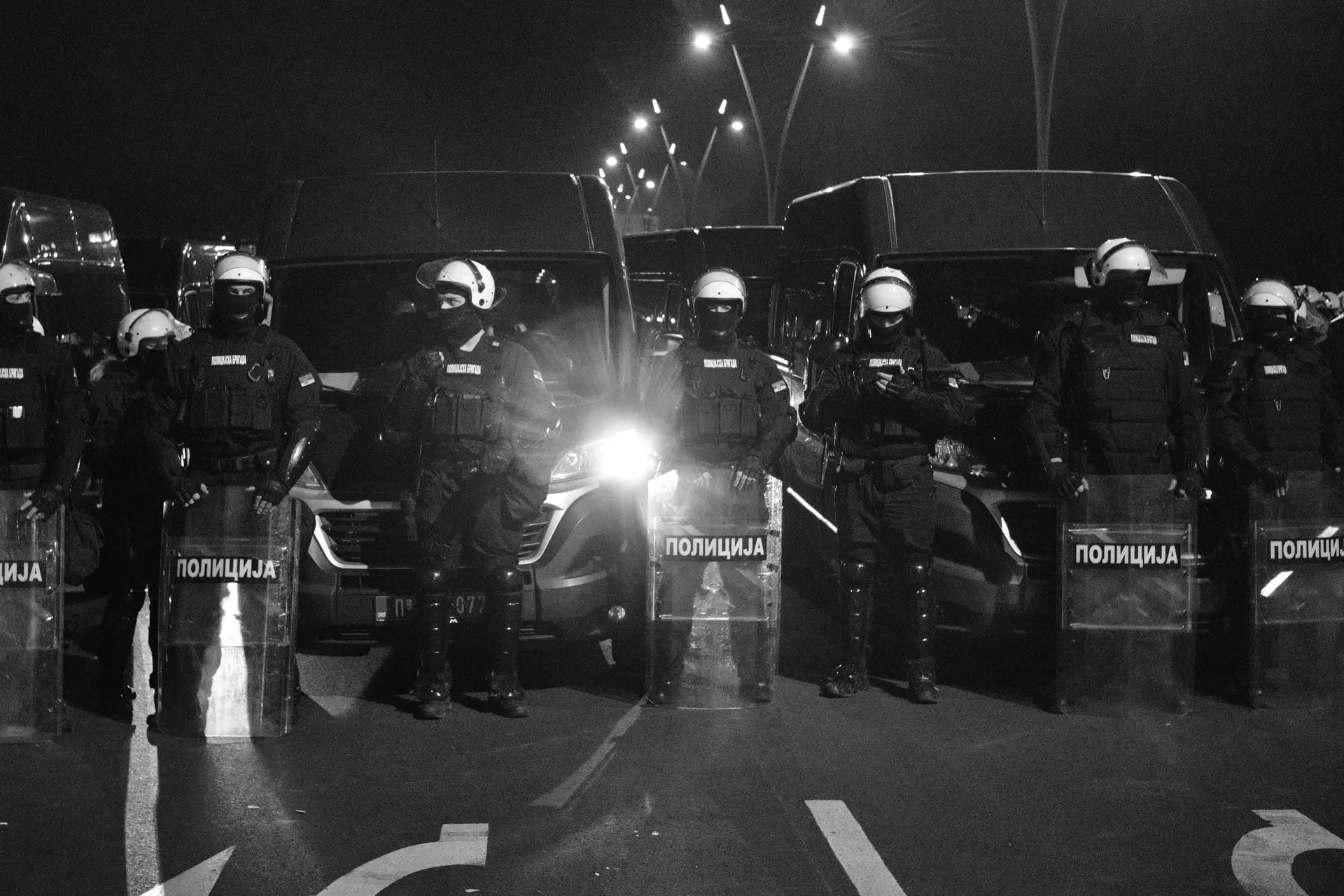
Saturday night in two of Switzerland's primary economic hubs offered a familiar spectacle of urban disorder. In Zurich and Basel, unapproved street marches swiftly deteriorated into organized rioting, leaving burning barricades, shattered storefronts, and disrupted transit networks in their wake. It is a predictable weekend ritual, yet urban authorities continue to exhibit a curious mix of routine surprise and gentle forbearance whenever militant factions decide to claim the streets.
In Zurich, several hundred demonstrators gathered following calls from left-wing extremist groups, concentrating their activities around the Helvetiaplatz and Langstrasse areas. Trash containers, electric scooters, and street furniture were dragged into piles and set ablaze to construct blockades. When emergency crews and law enforcement arrived, rioters hurled stones, bottles, and commercial pyrotechnics. Municipal officers responded with water cannons, irritant spray, and rubber bullets to disperse the crowd, while local firefighters worked to extinguish fires across the district, including a private car torched on Zwinglistrasse.
The most severe breach of public order occurred shortly after midnight. A police patrol unit dispatched to assist an injured teenager in a medical emergency was ambushed by a violent mob. The squad car sustained heavy damage, and the officers were compelled to retreat, delaying medical aid to the youth until backup could secure the area. When street violence actively blocks emergency medical assistance, the narrative of mere political protest completely collapses.
A similar pattern unfolded simultaneously in Basel. Roughly 150 demonstrators marched from Claraplatz across the Mittlere Brücke toward the St. Johann quarter, erecting burning barricades at St. Johanns-Platz and damaging property along the route. Public transportation stood still as tram lines were suspended, forcing citizens to navigate a gridlocked city center.
Switzerland benefits from extraordinary wealth, functional infrastructure, and orderly institutions. Yet this very comfort appears to foster a naive complacency regarding extremist violence. When public space can be commandeered at will and police cars are driven off during emergency calls, the damage extends far beyond broken shop windows and burnt scooters. It reveals a quiet erosion of the sovereign authority needed to maintain public order.
Written by Thomas Nussbaumer thomas.nussbaumer@alpineweekly.com