Nov 1, 5:01 AM
Pop Populism and Street Riots: Dieter Bohlen's Conscription Crusade
Federal budget priorities and compulsory service fears trigger online hype, meager turnouts, and urban clashes.

When a seventy-two-year-old pop icon becomes the vocal patron of youth resistance, something in the state apparatus has clearly slipped out of tune. Dieter Bohlen’s recent social media intervention, rallying behind the nationwide protests of the Gen Z regelt movement, puts a sharp focus on growing irritation with governing priorities in Germany. The music producer offered explicit backing to young citizens protesting against the potential reintroduction of compulsory military service and the state's handling of public funds.
Bohlen’s critique strikes at a sensitive nerve in contemporary fiscal policy. Pointing to the choices of the federal government, he argued that while state tax coffers are far from empty, political leadership consistently misallocates those revenues. Instead of repairing crumbling school infrastructure and neglected public facilities, the state channels resources into doubtful priorities. For a public contending with financial strain and declining public services, the producer's endorsement of generational anxiety echoes far beyond the realm of entertainment.
The debate over mandatory military draft sits at the center of these grievances. Speaking as a father of six, Bohlen emphasized his refusal to see his own children sent into military conflict. He cited his father’s experience, who was conscripted at eighteen during the Second World War, immediately captured, and narrowly escaped death. From Bohlen's perspective, military conflict yields no benefit, rendering opposition to mandatory service a moral imperative for the younger demographic.
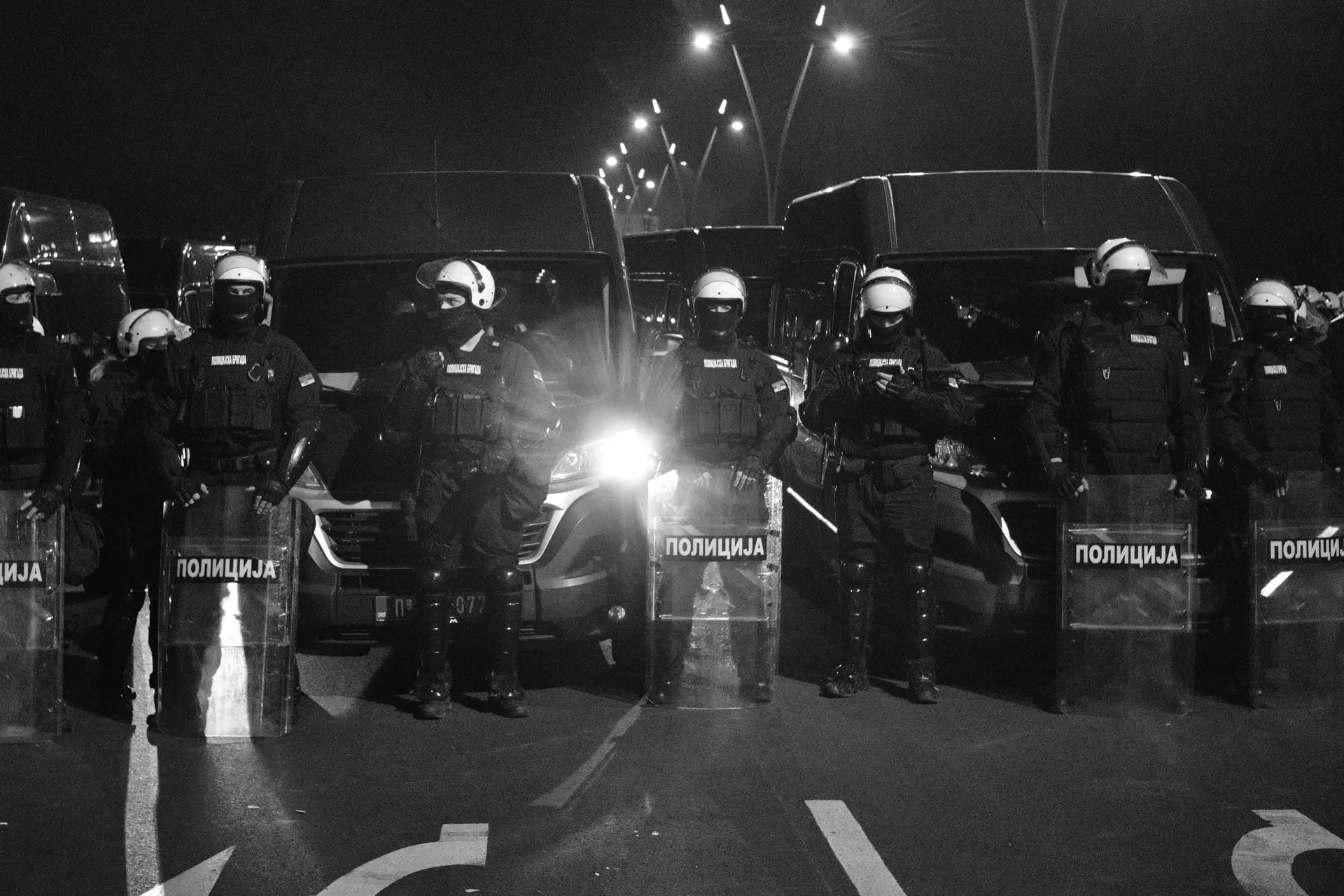
Yet the movement itself demonstrates a stark disconnect between digital noise and civic action. Despite the organizers registering over 180,000 sign-ups across 34 cities on their platform, actual attendance on the streets fell drastically short of predictions. Most rallies attracted only a fraction of their registered numbers. What was advertised as a mass movement disintegrated into small gatherings that nonetheless spilled into violent clashes and street riots with police across several major urban centers.
This rapid shift from online petitions to street turmoil offers a telling commentary on the political climate. A government that floats conscription while failing to deliver functional public assets breeds deep cynicism. When digital enthusiasm produces sparse crowds that nevertheless turn to violent disruption, it demonstrates that neither the state apparatus nor its youthful critics seem capable of orderly dialogue.
Written by Andreas Hofer andreas.hofer@alpineweekly.com