Nov 1, 5:01 AM
The 130-Million Voter Question in Delhi
An administrative cleanup of India's voter rolls morphs into a high-stakes constitutional showdown as opposition parties take to the streets.
Ramlila Maidan in Delhi has long been the favored amphitheatre for Indian political drama. This time, the grandstand belongs to the opposition, which has mobilized tens of thousands of activists to demand the resignation of Chief Election Commissioner Gyanesh Kumar. At the heart of this confrontation sits a single, extraordinary number: 130 million.
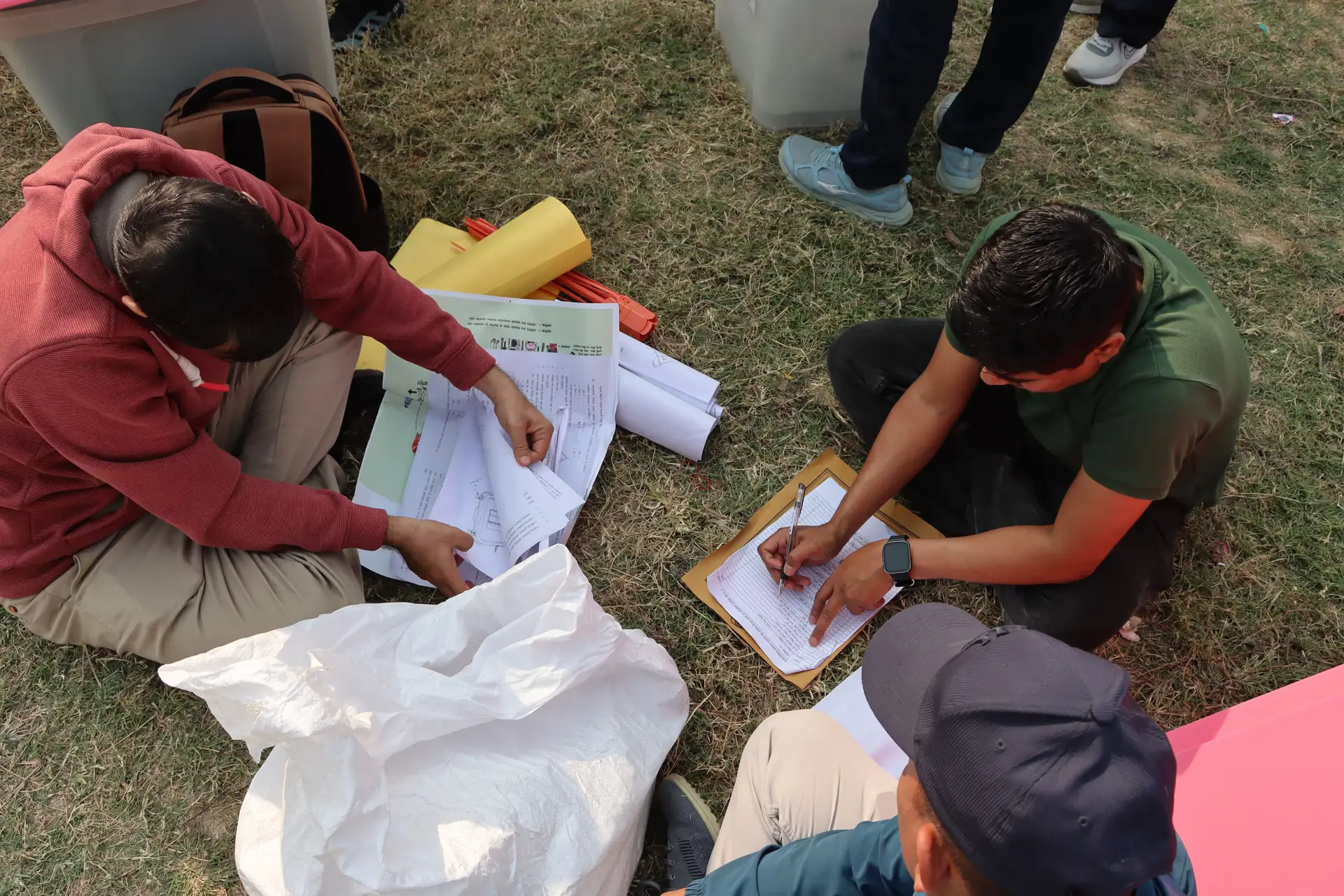
That is the volume of names erased from India's draft electoral rolls during the recent Special Intensive Revision. To the Election Commission of India and Narendra Modi's ruling Bharatiya Janata Party, this massive purging is merely routine institutional hygiene—a necessary effort to strip away the dead, the duplicated, and the relocated from a sprawling national registry. To the Congress-led INDIA alliance and its youth allies, such as the Gen Z-dominated Cockroach Janta Party, the purge looks less like administrative maintenance and more like systematic disenfranchisement designed to tip the scales for the incumbent regime.
The opposition’s outrage might carry less weight had the election management body itself maintained flawless discipline. Instead, internal fissures have leaked into public view. Reports indicating that Gyanesh Kumar bypassed his two fellow commissioners on more than twelve separate decisions provided the opposition with substantial political ammunition. The official response from the election authority—stating that differences of opinion were normal in any institution and did not affect its functioning—offered little to reassure critics who view unilateral decision-making at the top as a red flag.
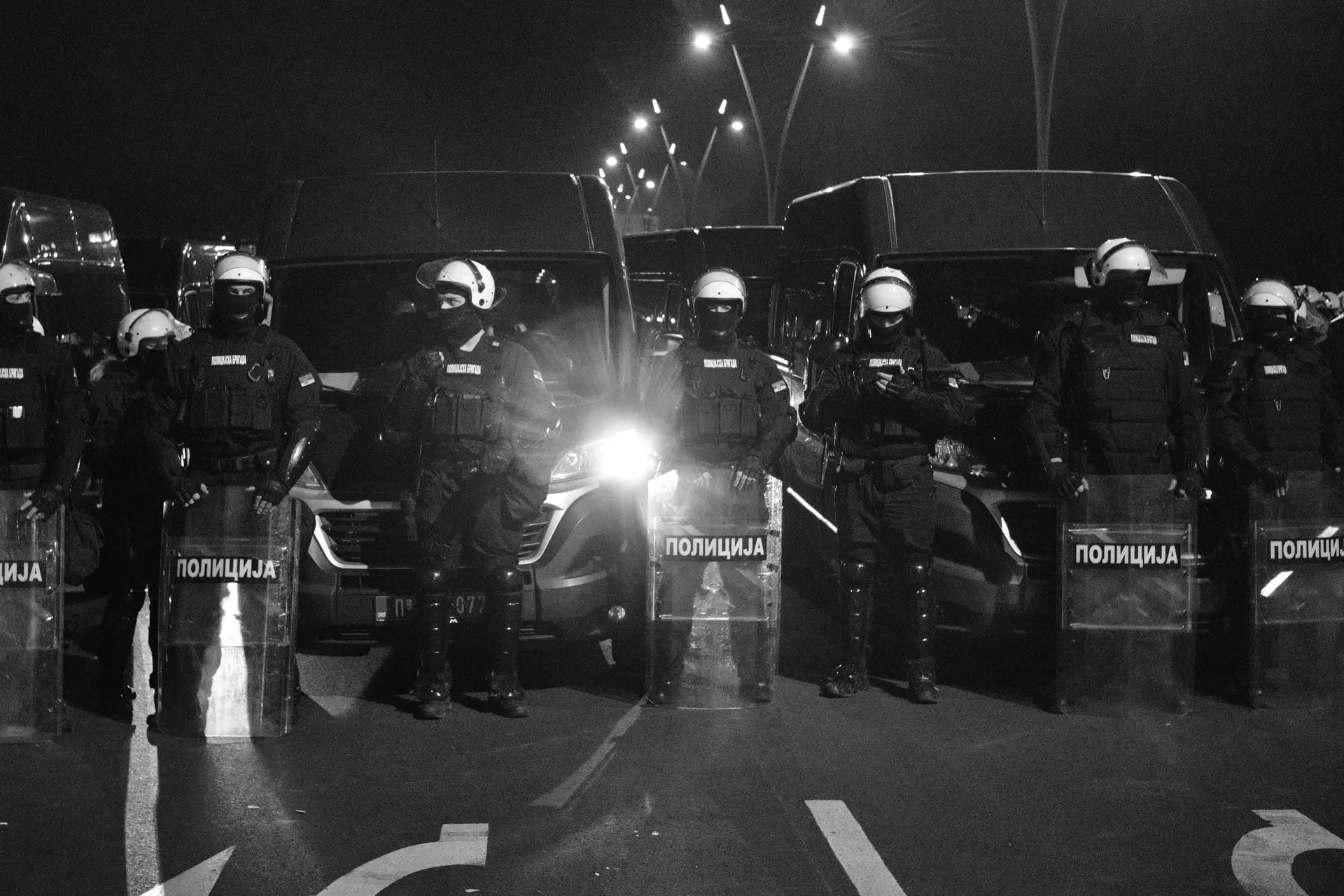
Street-level resistance has steadily escalated in recent weeks. A previous march led by Rahul Gandhi from Connaught Place toward the Supreme Court served merely as a prelude to the current mobilization. Yet, as thousands assemble under strict municipal permits, complete with mandatory surveillance cameras and firm deadlines, the exercise highlights the growing friction over civic space in the capital. Earlier protests saw security forces employ heavy-handed tactics, including batons and mass detentions, leaving opposition figures accusing the authorities of actively suppressing participation.
Meanwhile, practical reality intrudes just down the road. In the ancient trading corridors of Chandni Chowk, mere hundreds of meters from the rally grounds, shopkeepers are bitterly divided. For some, political spectacles on the eve of the Diwali shopping season represent an unbearable drag on business; for others, the disruption caused by government security cordons is far more damaging than the protests themselves.
In a functioning republic, an accurate voter list is a prerequisite for market stability and democratic legitimacy alike. However, when the referee operates without clear internal consensus, even a routine update threatens to destabilize public trust. By transforming a technical audit into a mass street movement, India's political class ensures that the sanctity of the ballot box will be negotiated not in committee rooms, but on the pavement.
Written by Christiane Hofreiter christiane.hofreiter@alpineweekly.com