Oct 24, 10:01 AM
Ashes at 1,800 Metres: Arson Suspected in Destruction of Historic Eagle's Nest
A landmark that survived World War II falls victim to suspected arson on a remote Bavarian peak.
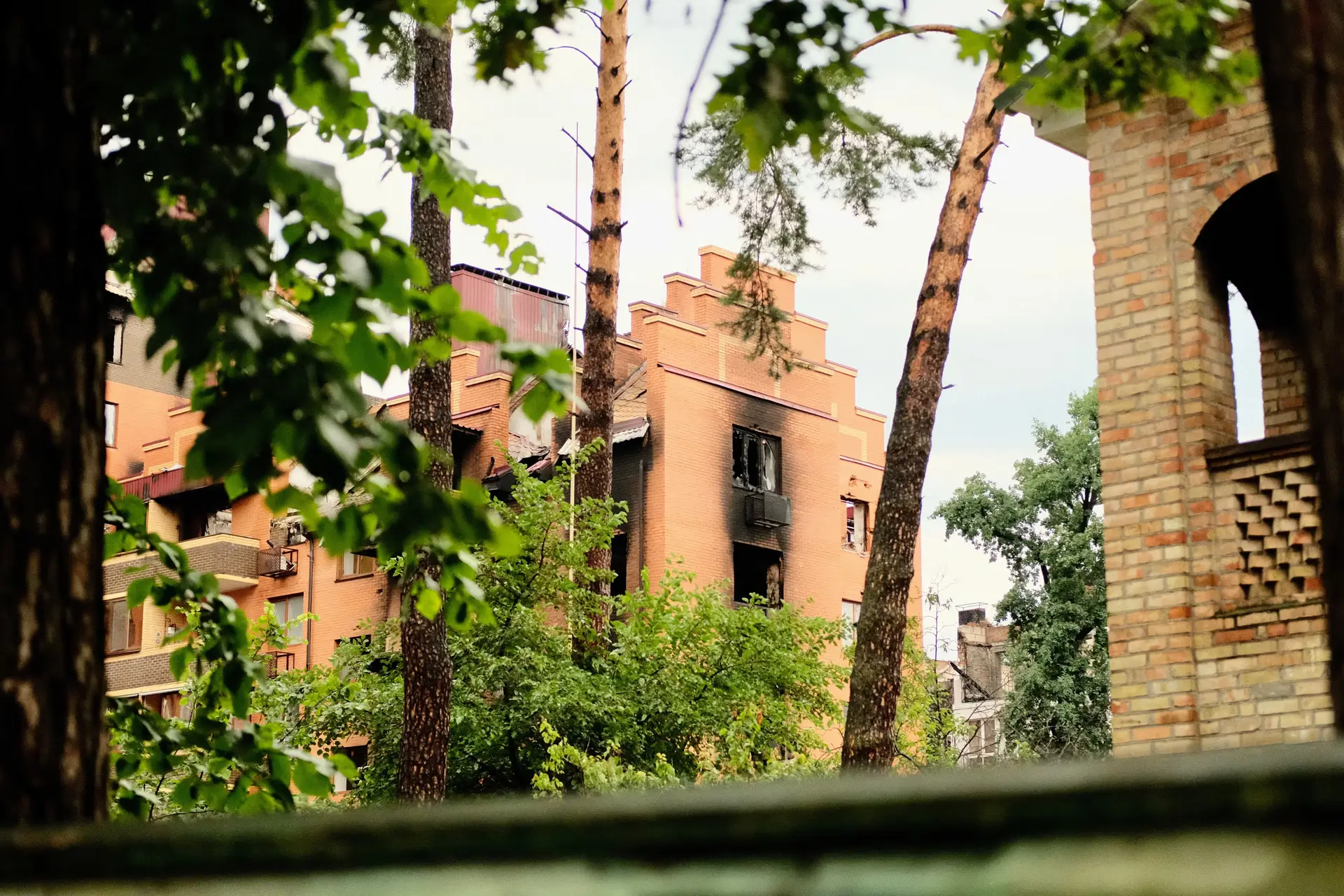
Even an altitude of 1,834 metres on an Alpine peak is no longer enough to guarantee basic security in modern Germany. On Friday evening, the historic Kehlsteinhaus—commonly known as the Eagle’s Nest—was swallowed by flames in the mountains of Bavaria. What survived World War II unscathed has now been reduced to a burning ruin under circumstances that point directly to arson, leaving authorities scrambling to control both the blaze and the narrative.
The incident began at approximately 9:50 pm when an automated smoke detector triggered an alarm at the remote retreat atop Obersalzberg. By the time emergency crews navigated the steep terrain, firefighters encountered a building already completely ablaze, with thick flames reaching into the night sky as snow fell across the peak. Roughly 200 firefighters were deployed to the site, forced to haul heavy breathing apparatus up the mountain to combat the inferno in extreme conditions.
Initial sweeps confirmed that no one was inside the structure during the outbreak, and officials reported no injuries. Yet the logistical nightmare of fighting a major fire at high altitude left emergency services severely constrained, forcing police to completely block off the mountain road leading to the summit.
As the building burned through the early hours of Saturday morning, law enforcement turned its attention to how the disaster began. Police spokesperson Lisa Maier confirmed that officers had taken a suspicious person into temporary custody near the scene. German media reports quickly revealed that investigators strongly suspect arson, with local outlets indicating that the detained individual was a motorcyclist intercepted by authorities on their way up the mountain pass.
The destruction of the Kehlsteinhaus marks an extraordinary end to a controversial structure. Constructed between 1937 and 1938 as a monument intended to showcase the power of the National Socialist regime, the complex was rarely visited by Adolf Hitler himself. Despite its origins within the toxic legacy of the Third Reich—a regime responsible for the murder of millions of Jews, Roma, LGBTQ individuals, and political dissidents—the building was preserved after 1945. Since 1952, it had operated as a public restaurant and historical exhibition documenting Nazi atrocities, attracting visitors from around the globe.
Whether this iconic summit landmark can ever be restored remains uncertain as police prepare to present their preliminary investigative findings. For now, a mountaintop that stood intact through foreign bombardment and decades of post-war history lies charred, exposing the stark vulnerabilities of public assets even in the most isolated corners of the country.
Written by Thorben Thiede thorben.thiede@alpineweekly.com