Jul 22, 12:01 PM
A Michelin star, a dessert, and a court date in Seoul
South Korean prosecutors want prison time for a restaurant owner accused of turning unapproved ants into fine dining.
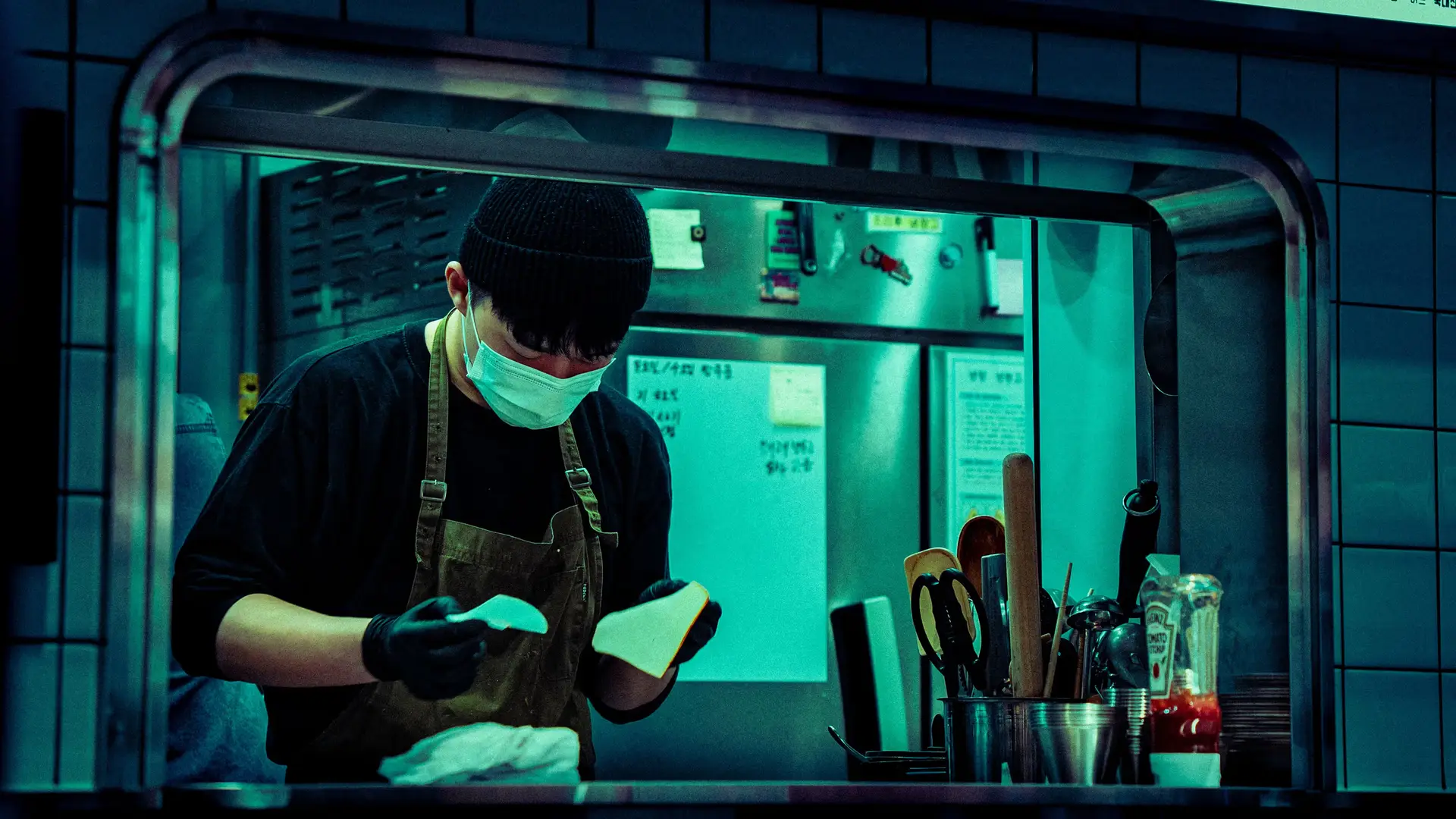
Fine dining has always enjoyed a taste for theatre. In Seoul, that appetite for novelty has now met the food sanitation act, and the result is less elegant than a sorbet sprinkled with ants. Prosecutors have asked a court to send the owner of a Michelin-starred restaurant to prison for one year after the kitchen allegedly served desserts topped with insects that South Korean law does not allow as food ingredients.
The request was made on Monday, according to Yonhap. Prosecutors also want a 20m won fine, about £10,108, for the company that runs the restaurant. The owner and the business have been indicted over alleged violations of food safety rules, with sentencing set for 2 September.
The restaurant sits in Gangnam, Seoul’s prosperous district, and holds two Michelin stars. According to the case, it served a sorbet dessert with ants for customers who wanted the flavour. That detail may sound like the sort of menu innovation that sells well in certain circles, but South Korean law is not in the business of rewarding culinary provocation for its own sake. Only 10 insect species, including grasshoppers, mealworms and silkworm pupae, are approved for use as food ingredients. Ants are not among them.
The ministry of food and drug safety opened its investigation after finding references to the ant dishes in blog posts and on social media, rather than through a routine inspection. It said restaurants that want to use an unapproved insect must first obtain temporary approval, which this one did not do. The legal ceiling is hardly modest: up to five years in prison or a 50m won fine.
Prosecutors say the restaurant imported dried ants from the United States and Thailand from 2021 and used them on dishes for roughly four years. They estimate the ant-topped dessert was sold about 12,200 times, generating around 120m won in revenue, and that roughly 49,000 ants were used in total. The defence, predictably, does not accept the arithmetic. It argued in court that only about 60% of customers actually took the ant topping when it was offered, making the prosecution’s numbers too high.
The defence also pointed out that only a small number of dishes on the restaurant’s 15-course menu included ants, and that restaurants in countries including Denmark, the UK and Australia use ants as an ingredient. The chef, it was reportedly explained to prosecutors, had used ants to add acidity while working in the US and Europe and did not realise the practice was illegal in South Korea.
That may be true, or it may be the sort of culinary innocence that tends to evaporate in court. Either way, the case is a neat reminder that prestige does not confer immunity, and that regulators still have the final word when haute cuisine collides with food law. The sentence, when it comes on 2 September, will say as much about the limits of gastronomic improvisation as about this particular dessert.
Written by Martina Kirchner martina.kirchner@alpineweekly.com