Oct 23, 2:01 PM
While Berlin Lectured Washington, the AfD Built a Pipeline to the White House
Leaked internal emails reveal how Germany's mainstream isolation of Trump created an open field for the right-wing opposition.
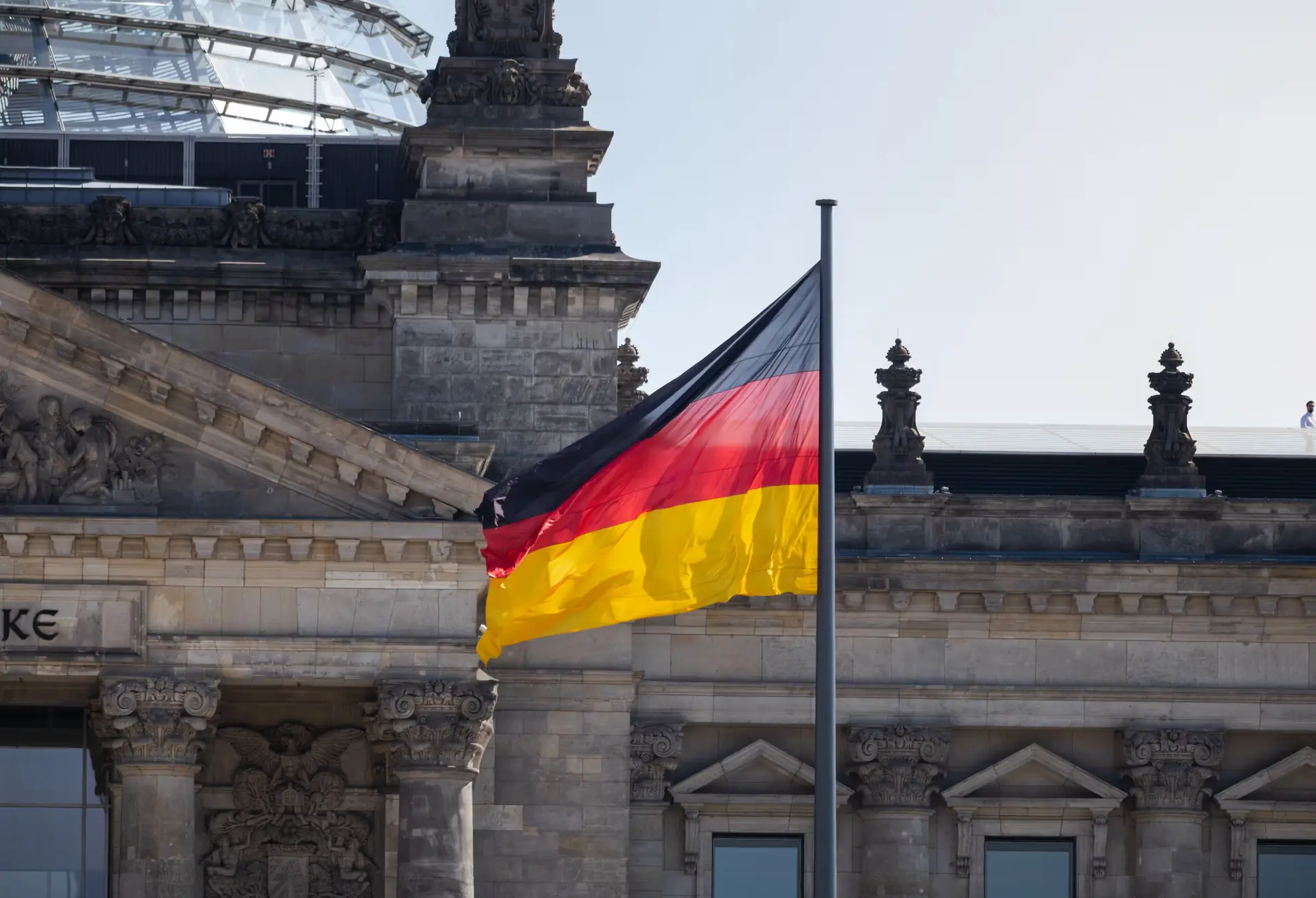
When Donald Trump first captured the White House in 2016, the political class in Berlin reacted with its customary moral superiority. Former Chancellor Angela Merkel offered cooperation only on condition of shared values, while her vice-chancellor publicly branded the president-elect a harbinger of authoritarianism. That reflex left a vacuum in transatlantic relations—one that Alternative for Germany was all too eager to fill.
A massive data leak comprising over 420,000 internal emails, released by the transparency group Distributed Denial of Secrets, lays bare the opposition party’s persistent, multi-year campaign to court the MAGA movement. While mainstream German politicians distance themselves behind moral firewalls, the leaked archive shows AfD strategists systematically pitching themselves as Washington’s only authentic partner in Berlin.
The correspondence reveals a party obsessed with securing American favor from the outset. Following Trump’s 2016 victory, senior party leaders—including Alice Weidel and Beatrix von Storch—scrambled to draft ingratiating telegrams to the president-elect. Beyond mere congratulations, party officials sought to leverage the transition to advance their own agenda, explicitly requesting White House backing to repeal the United Nations Charter’s enemy-state clause, a relic long viewed by the right as a symbol of diminished national sovereignty.
The courting effort was not confined to symbolic messages. The documents illustrate a continuous push to establish direct channels to Trump’s inner circle. In 2018, Weidel used an American digital consultancy to arrange a secret meeting in Zurich with former strategist Steve Bannon. Meanwhile, party figures like Markus Frohnmaier sought introductions to conservative figures and the American embassy in Berlin, attempting to bypass an establishment that treated them as pariahs.
Fast forward to the present, and what once looked like peripheral maneuvering has turned into official dialogue. With the party surging to roughly 30 percent in national polls and winning over 43 percent in Saxony-Anhalt, Washington can no longer ignore them. During Trump’s second term, senior State Department officials and Vice-President JD Vance have met directly with party leadership, noting that discussing policy with Germany’s primary opposition is simply standard diplomatic practice.
While Berlin’s ruling parties focus on intelligence surveillance and political isolation to contain their rivals, the leaked documents demonstrate how domestic ostracism merely drove the opposition to build its own foreign policy network. Whether establishment politicians like it or not, lecturing Washington on morality has done little to stop the opposition from securing a seat at the table.
Written by Christiane Hofreiter christiane.hofreiter@alpineweekly.com