Oct 28, 7:02 PM
Washington Chooses Warsaw
By securing a major missile maintenance hub over Western European rivals, Poland cements its role as the Pentagon’s preferred continental outpost.
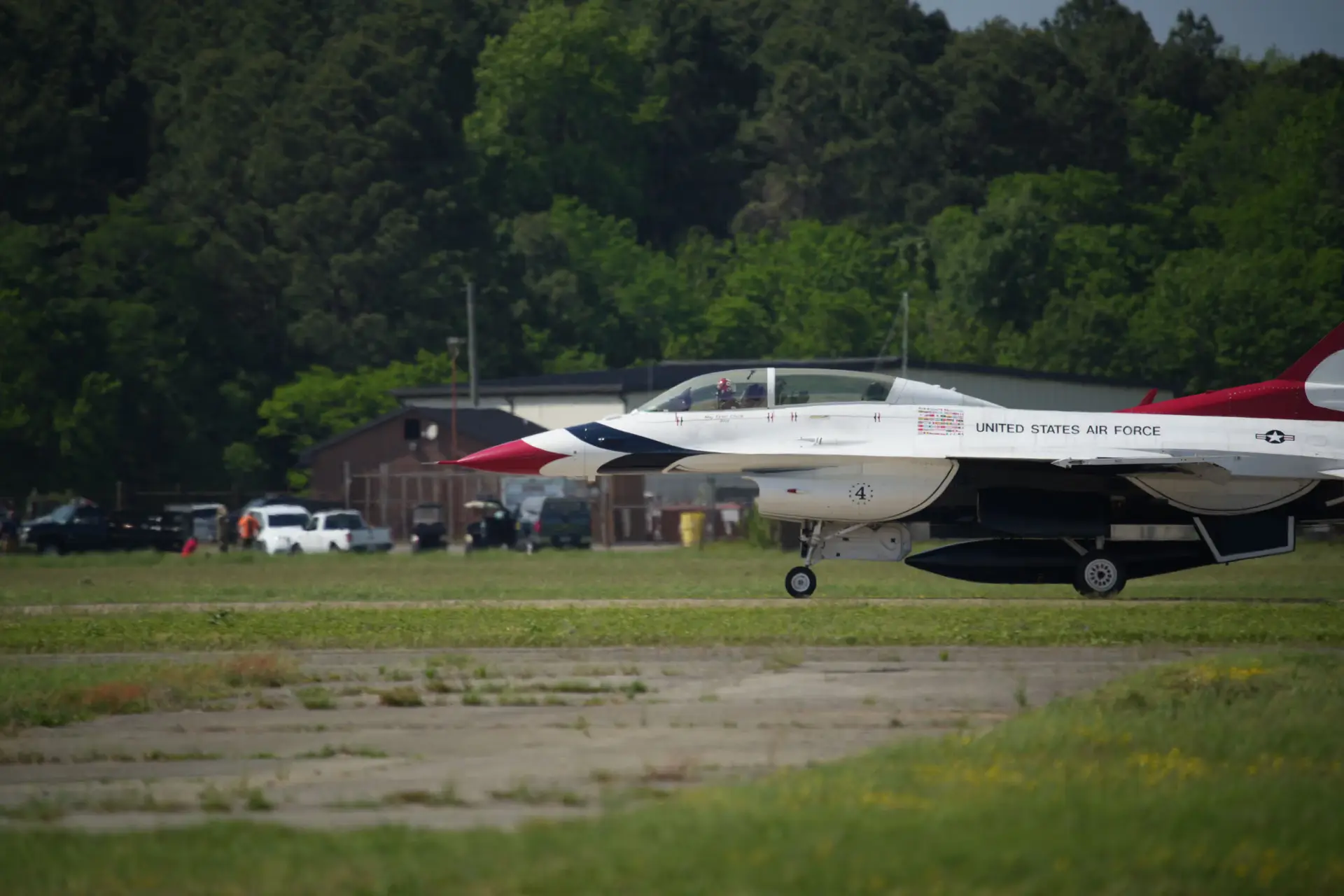
When Washington decides where to anchor its critical military infrastructure in Europe, it increasingly bypasses the sluggish capitals of the West. In a decision that leaves traditional European heavyweights behind, the United States has chosen Poland to host a €227 million maintenance centre for PAC-3 Patriot air defence missiles. The project, valued at roughly one billion zlotys, saw Warsaw beat out competing bids from Germany, the Netherlands, and Norway, making Poland the sole location outside the US to house such a facility.
The choice reflects a shifting balance on the continent. Polish Deputy Defence Minister Magdalena Sobkowiak-Czarnecka announced that Warsaw's application earned the highest score during initial evaluation before months of talks with American officials sealed the deal. Speaking at NATO headquarters in Brussels, she framed the outcome as a strategic commitment, declaring that all of NATO stands behind each of its partners, behind every element of the alliance. Polish Defence Minister Władysław Kosiniak-Kamysz similarly praised the move, noting that Poland is a trustworthy ally and an extremely important place on the map of global security.
Under the agreement, Polish entities will partner with defence manufacturer Lockheed Martin to maintain the interceptors. Pentagon official Michael Duffey described the setup as a realization of commitments made under the so-called NATO 3.0 framework established at the Ankara summit in July 2026, aimed at forcing European members to shoulder more conventional defence tasks. While Germany, the Netherlands, and Sweden are slated to handle secondary supply chain integration, primary servicing responsibility remains firmly in Polish hands.
This logistics win arrives alongside a relentless expansion of Warsaw’s military footprint. Under its Wisła air defence program, Poland already operates two Patriot batteries that reached readiness late last year, backed by an initial order of 200 PAC-3 MSE missiles. Six more batteries and roughly 600 additional missiles are scheduled for delivery through 2029.
Technical self-sufficiency is only part of the calculus, as Warsaw is also pushing to convert the presence of 10,000 rotational American troops into a permanent garrison. Formal negotiations for a permanent US base capable of housing 5,000 soldiers—a project carrying a price tag between 15 and 17 billion zlotys—are already underway, with Polish President Karol Nawrocki convening the National Security Council on November 3 to discuss the plans. Commenting on the project on October 1, US President Donald Trump remarked that it could happen.
Whether this massive accumulation of high-tech hardware and long-term financial commitments strengthens European stability or simply exposes the region to deeper security risks remains an open query. For now, Washington has sent an unmistakable signal: when it comes to military reliance in Europe, the old center of gravity has decidedly moved east.
Written by Sandy van Dongen sandy.vandongen@alpineweekly.com