Oct 28, 7:02 PM
The Architecture of an Iconic Slogan
The death of civil rights figure Dolores Huerta highlights a bygone era of American labor organizing.
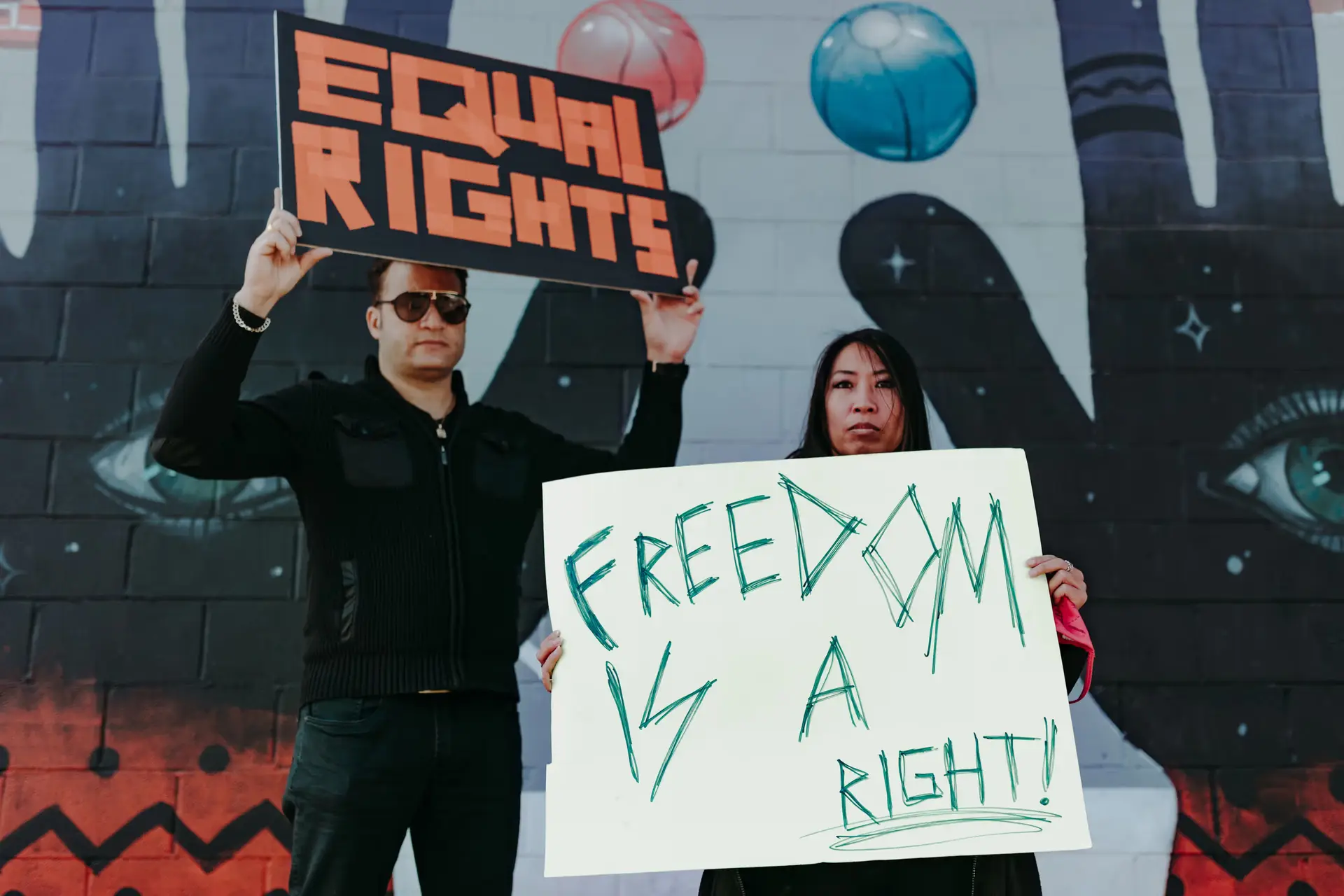
The death of American civil rights figure Dolores Huerta at the age of 96 marks the end of a notable chapter in the history of American labor activism and social organizing. Passing away on October 28, 2026, Huerta leaves behind a legacy fundamentally defined by her advocacy for worker rights and her central role in defining the rhetorical vocabulary of modern grassroots movements.
Best known for popularizing the slogan Sí se puede, Huerta’s political activism was closely bound up with the mid-twentieth-century American struggle for labor organization and civil rights. The motto itself, which translated into a phrase of political mobilization across the United States and beyond, captured a pragmatic optimism that defined her public career. It was a slogan born out of labor organizing, designed to convince disenfranchised agricultural workers and marginalized citizens that collective action could overcome entrenched institutional opposition.
Throughout her decades of public life, Huerta operated at the intersection of labor rights and political reform. Her work within the American civil rights landscape demonstrated how targeted labor activism could reshape broader political discourse. While contemporary political commentary often reduces long-standing social movements to mere slogans, Huerta’s career reflected the patient, unglamorous mechanics of community organizing and institutional pressure.
Her death at 96 invites a retrospective on the evolution of civil rights tactics in the United States. During a period when labor movements face shifting economic structures and evolving demographic realities, the passing of figures like Huerta highlights how much the traditional framework of American activism depended on persistent leadership on the ground.
As the United States reflects on her legacy, the durability of her famous motto remains undeniable. Whether adapted by presidential campaigns or local labor unions, the simple three-word phrase continues to resonate through American public life, serving as the definitive linguistic imprint of her decades of organizing.
Written by Sandy van Dongen sandy.vandongen@alpineweekly.com