Oct 28, 9:01 PM
Orbital Reality: Putin's Flattery of Musk Betrays Russia's Satellite Deficit
While Moscow praises SpaceX's commercial dominance, its own satellite network lags far behind as winter approaches.

Modern conflict relies heavily on orbit, yet building a satellite fleet requires resources that state bureaucracies often struggle to deploy efficiently. Speaking at a summit with African leaders in Moscow, Russian President Vladimir Putin publicly praised SpaceX founder Elon Musk as a genius while acknowledging the immense gap between Western commercial space infrastructure and Russia's own satellite capabilities.
The praise comes as Moscow works on its own orbital communications system, known as Rassvet. While SpaceX currently operates roughly 10,000 active Starlink satellites in low Earth orbit, Russia's alternative network remains in its infancy with an estimated 26 operational satellites. According to Russian state media, Putin noted that Moscow was only taking its initial steps in building a comparable constellation, adding that Russian authorities maintain contact with American partners, including Musk, to ensure order and avoid friction in orbit.
The dependency of frontline operations on commercial space networks was demonstrated earlier in October, when access to SpaceX's military-focused Starshield system was suddenly restricted. Ukrainian medium-range drone operations and air defense units faced immediate operational hurdles during the disruption. Musk stated that the move was aimed at closing a technical loophole through which civilian Starlink terminals were being utilized for military purposes. Ukrainian President Volodymyr Zelenskyy subsequently confirmed that full service had been restored following a ten-day disruption.
This technological friction coincides with diplomatic maneuvering ahead of upcoming elections in the United States. Donald Trump recently arranged a purchase of Russian diesel in an effort to stabilize domestic fuel prices. Against this political backdrop, Ukrainian officials are anticipating potential trilateral discussions involving Kyiv, Moscow, and Washington in Abu Dhabi following the American vote.
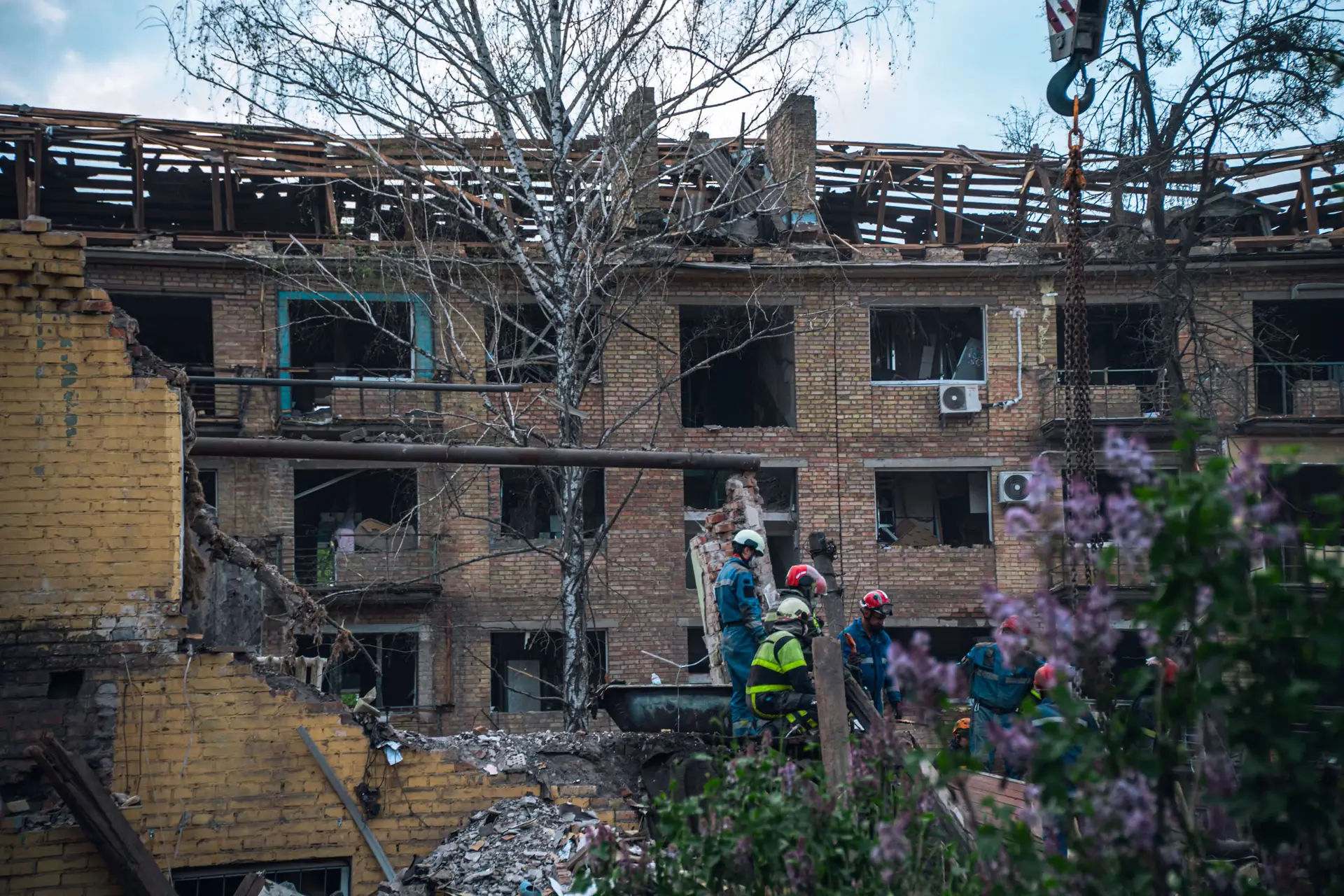
Concurrently, European governments are expanding financial commitments to support Kyiv through the winter. The British government announced a three-year funding package worth ten billion pounds, which includes five hundred million pounds earmarked for air defense. Similarly, the Netherlands pledged five hundred million euros in military aid alongside 1.2 billion euros designated for critical infrastructure repairs. Ukrainian sources report that Russian forces have launched over one hundred ballistic missiles against energy facilities in and around Kyiv since mid-October, raising concerns over winter utility stability.
Written by Thomas Nussbaumer thomas.nussbaumer@alpineweekly.com