Oct 28, 9:01 PM
When Strikes Stop the Ball: France's Surrender to Street Pressure
Security concerns force UEFA to reschedule Europa League football as trade union disruption overrides public order.
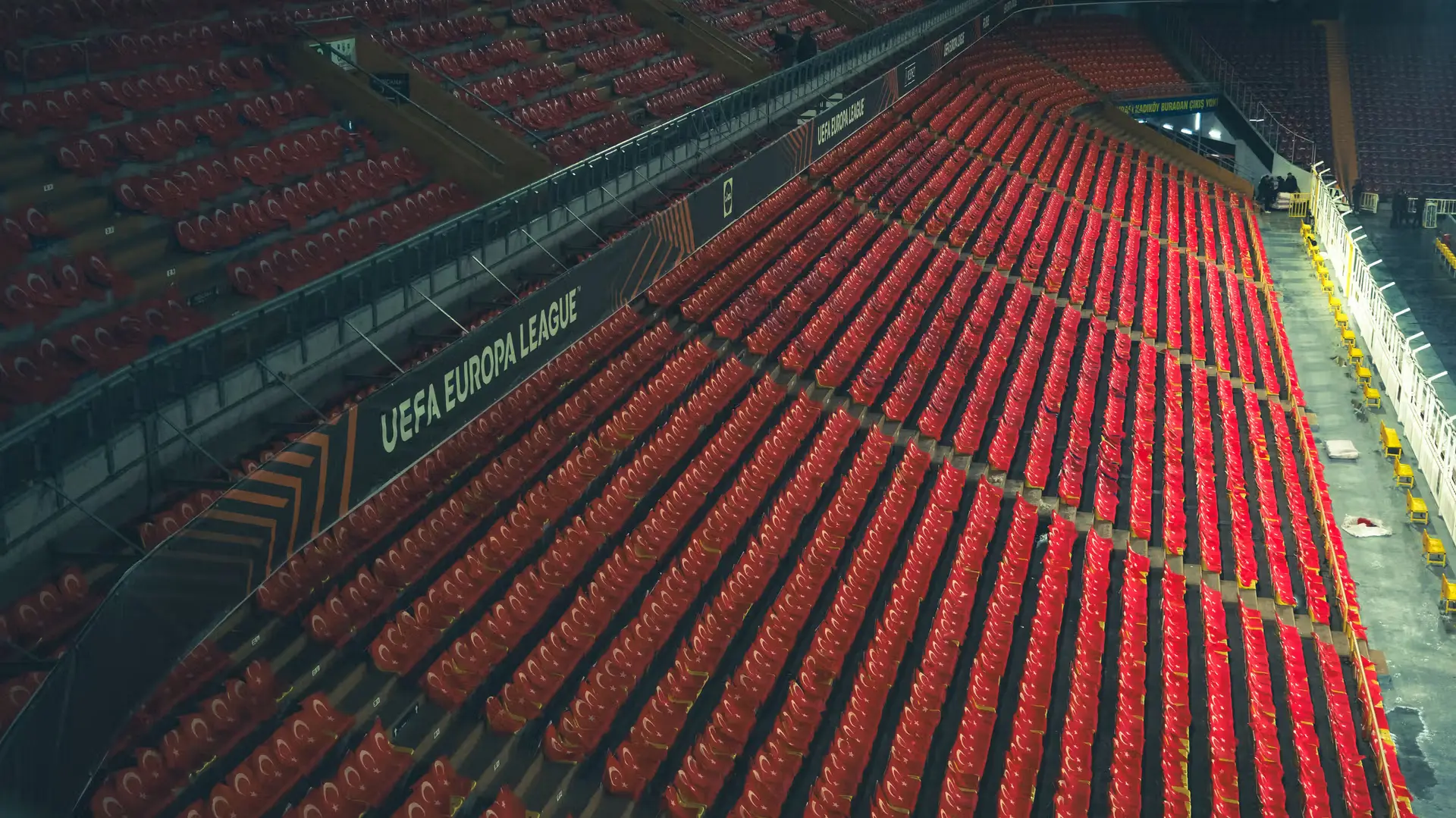
When a state implicitly admits it cannot guarantee basic public safety for a sporting event because trade unions have called a general strike, the breakdown of governance is plain to see. European football's governing body, UEFA, was left with little choice after French authorities admitted that the usual security arrangements around the match in Rennes could not be guaranteed that day. The administrative response was as bureaucratic as it was indifferent to match-going supporters: move the Europa League fixture against Greek side Olympiacos forward from Thursday, 5 November, to 4:30 pm on a Wednesday.
The timing represents a masterclass in corporate convenience. By setting kick-off for late afternoon, UEFA ensured the fixture would not clash with its lucrative evening Champions League broadcasts featuring Fenerbahçe against Liverpool and AEK Athens against Real Madrid. For ordinary working supporters who paid for their tickets, however, an early Wednesday afternoon match is virtually impossible to attend. Online reactions from local fans were predictably blunt, with supporters describing the decision as a disgrace and a complete lack of respect for ticket holders. While some managed to negotiate early departures with their employers, many others were left holding useless tickets for a match they cannot see.
This administrative retreat is merely the latest symptom of France’s broader struggle to maintain basic public order in the face of labor agitation. The upcoming general strike on 5 November marks an escalation of a protest movement that began when students raised concerns over conditions in schools. What started in classrooms quickly spread to the streets. Demonstrations on Saturday, 17 October saw extensive damage and looting on the fringes, followed a week later by a second wave of marches.
Domestic sport had already been forced to bend to the chaos. The Professional Football League has repeatedly rescheduled Ligue 1 fixtures to accommodate the strain on law enforcement, moving Paris Saint-Germain’s clash with Olympique Lyonnais off its original date. Upcoming matches involving OGC Nice, Stade Rennais, FC Lorient, and Angers SCO have all been shuffled across the calendar as public authorities prepare for further street protests.
The situation exposes a frustrating reality for ordinary citizens. On one side stands a French political landscape chronically vulnerable to union pressure and street unrest; on the other, a distant sporting authority that prioritizes broadcast schedules over the fans in the stands. When public authority retreats in the face of strike threats, it is always the paying consumer who is left to cover the cost.
Written by Christiane Hofreiter christiane.hofreiter@alpineweekly.com