Nov 2, 7:02 AM
The Victimhood Mirage of Berlin's Radical Left
When political activists convert documented ties to extremists into stories of persecution, logic gives way to ideology.
Berlin’s political circus has reached a new low when a mayoral candidate admits behind closed doors to being afraid of radical actors in her own party’s orbit. Rather than confronting the threat, her ideological peers turned around and crowned the alleged agitator as a martyr of systemic prejudice.
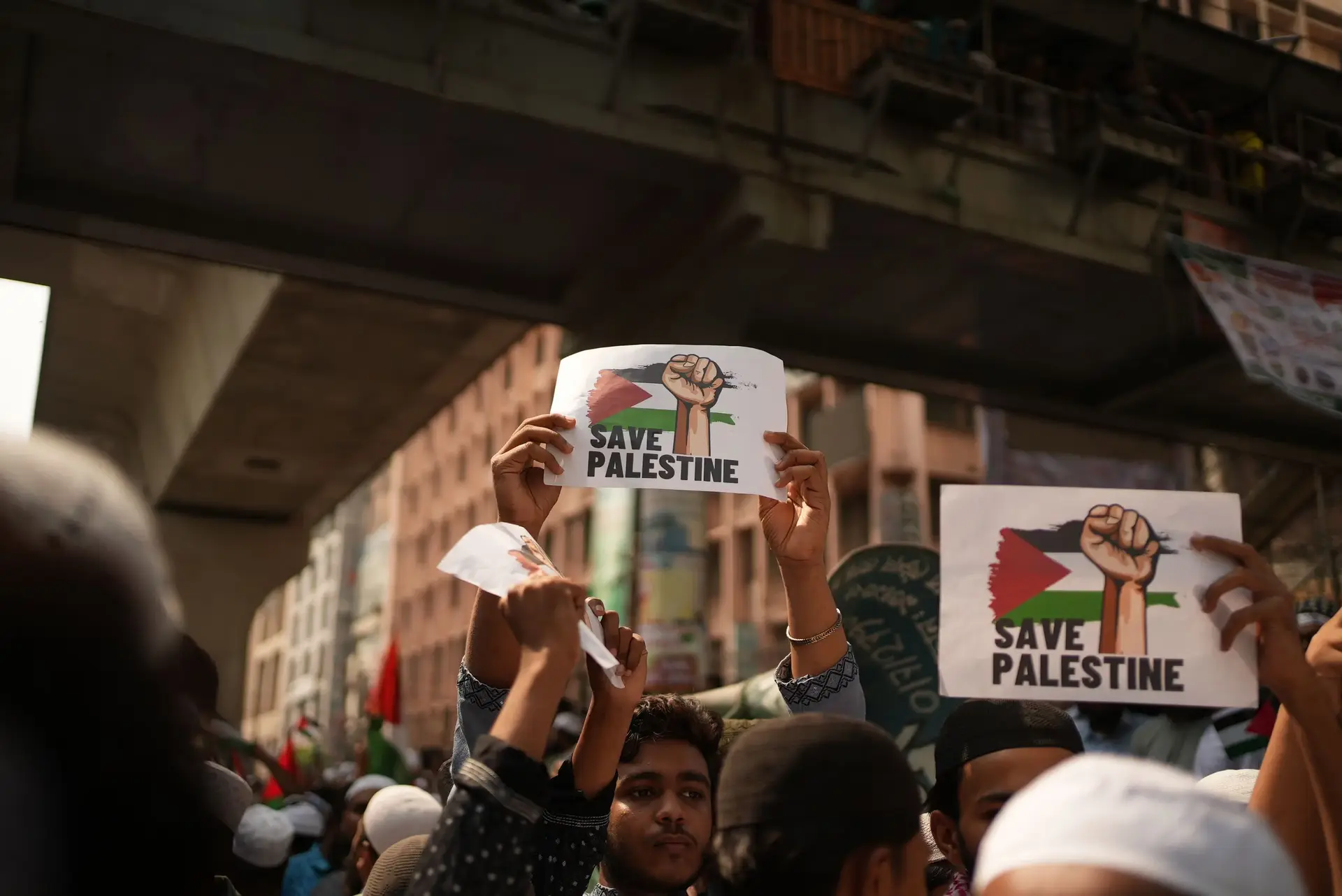
The centerpiece of this latest episode is Ibrahim Ibrahim, a 70-year-old organizer representing the United Palestinian National Committee. Security agencies classify the network as a coalition uniting adherents of Hamas and the secular extremist Popular Front for the Liberation of Palestine. When Ibrahim abruptly cancelled a pro-Palestinian rally scheduled for October 31, citing unspecified fears, radical activists did not question why an individual linked to extremist networks was heading marches in the capital. Instead, left-wing factions immediately decried a campaign of anti-Palestinian racism.
This reaction followed leaked internal memos from Elif Eralp, the Linke mayoral candidate in Berlin, who expressed explicit anxiety about pro-Palestinian figures in her party's orbit, explicitly naming Ibrahim. Rather than pausing to address internal security risks, left-wing allies brushed aside her concerns. Yet Ibrahim's public record speaks for itself. At an October 2025 demonstration, he publicly lauded Hamas leader Yahya Sinwar as a steadfast leader and martyr hero.
Despite such record, mainstream outlets and organizations have repeatedly offered him a microphone. In June 2025, he addressed a public rally hosted by Amnesty International, and later featured as an invited speaker for Die Linke in Neukölln. When forced to defend his positions on a Marxist portal, Ibrahim claimed through legal representatives that he operates strictly within legal boundaries for equal rights. Tellingly, his vision omits Israel’s right to exist, while selectively lamenting Palestinian suffering without mentioning Israeli victims.
Instead of challenging these double standards, radical factions across Berlin have rallied around him. Local party figures like Basem Said insisted that the true danger stems from right-wing hostility, while activist Hannah Bruns dismissed warnings about extremist ties as racist distraction. Various Trotskyist factions even blamed the media coverage on the interests of German capital, while the left-wing daily newspaper taz bizarrely suggested on social media that fear can be fun.
This ideological inversion exposes the broader breakdown of political courage in Germany’s urban centers. When political parties tolerate radical forces and shield extremism under the banner of victimhood, state institutions surrender their authority. Citizens are left to watch a political class unable and unwilling to draw clear lines against ideological hostility.
Written by Thomas Nussbaumer thomas.nussbaumer@alpineweekly.com