Nov 2, 7:02 AM
The Rifle as Urban Accessory: Sydney’s New Normal
As long-arm police patrols hit the streets following the Bondi Beach massacre, Australia trades open civic space for the theater of heavy security.
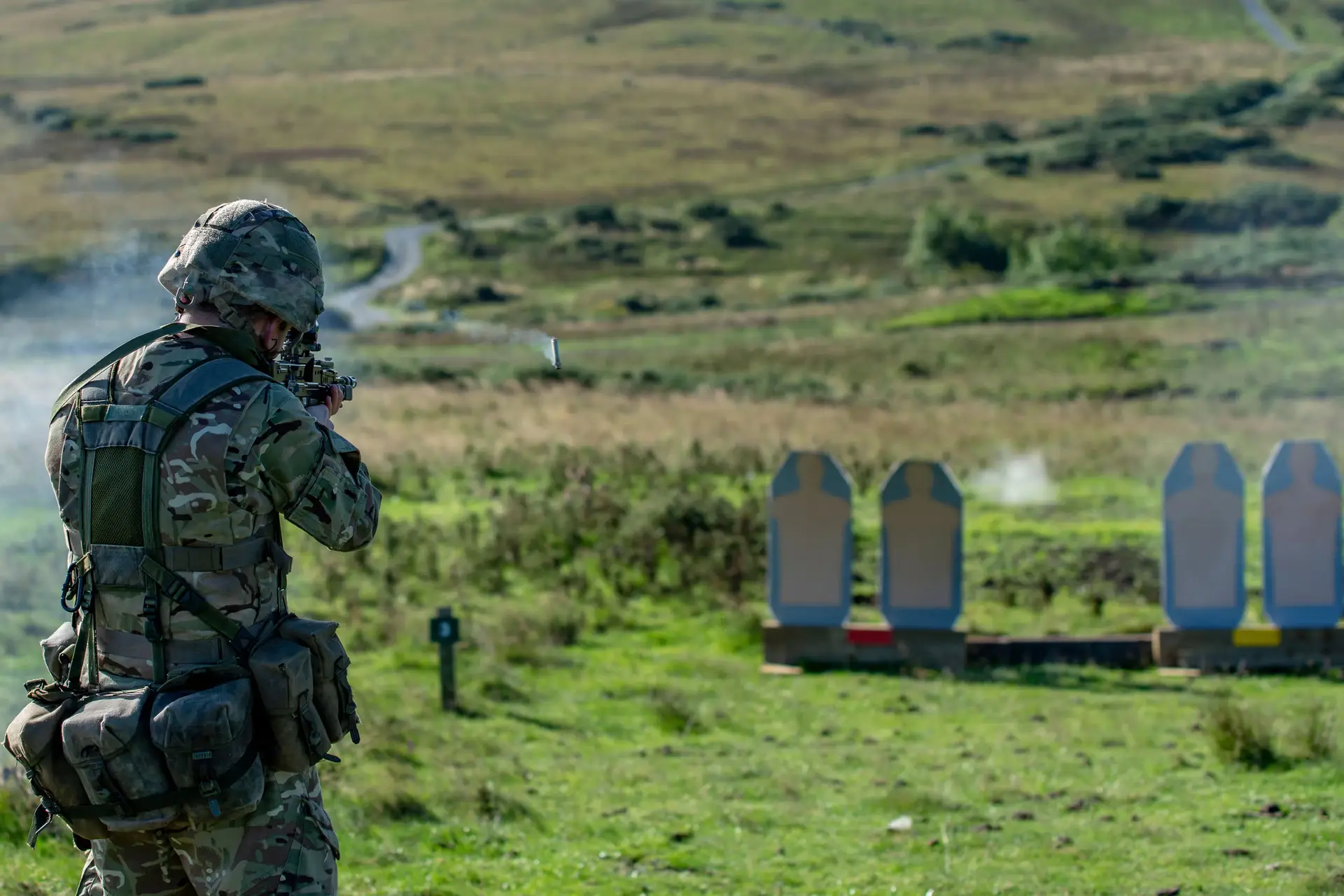
Sydney has acquired a striking new urban accessory. Along tourist strips, near places of worship, and outside sports stadiums, officers carrying long-arm assault rifles are now conducting routine patrols. The newly deployed Armed Response Command, an elite unit slated to reach 250 officers, brings high-visibility, heavily armed counter-terrorism tactics directly to civilian pavements.
This display of state force is the direct consequence of the massacre on December 14, when two gunmen opened fire on a Hanukkah festival at Bondi Beach, leaving 15 people dead, including a ten-year-old girl. It was Australia’s worst mass shooting in nearly three decades, prompting immediate gun law reforms and a crackdown on hate speech. One perpetrator, Sajid Akram, was shot dead at the scene by police; his son, Naveed Akram, now faces 78 charges, including 15 counts of murder and committing a terrorist act.
The fallout placed severe political pressure on Prime Minister Anthony Albanese's administration to address security vulnerabilities and antisemitism. The state's response has followed a familiar pattern: visible firepower. According to New South Wales police, the armed unit is tasked with deterring active threats and executing rapid interventions, operating under what Detective Superintendent Andrew Evans described as the principle of preserving life.
Public reaction highlights an uncomfortable divide. Residents report feeling torn between the unnerving sight of military-grade weapons on peaceful streets and a desire for protection. Representative bodies have largely backed the move. Alex Ryvchin of the Executive Council of Australian Jewry noted, No Australian wants to see officers with military weapons on our streets, but the sight of body bags is far worse.
Conversely, civil liberties groups view the shift with concern. Amnesty International Australia’s Andrew Witheford warned against the militarisation of public spaces, demanding guarantees that the new unit will not be used to suppress peaceful demonstrations and calling for strict independent oversight.
State officials remain unmoved by warnings of excessive police authority. New South Wales Police Minister Yasmin Catley defended the strategy, insisting that the compromise is unavoidable: Our world changed forever. That's just the truth of it, right across this country. And I said it at the time, we will never be the same again. Whether assault rifles on street corners genuinely deter determined fanatics or merely codify state anxiety remains the central question of Sydney's post-Bondi reality.
Written by Thorben Thiede thorben.thiede@alpineweekly.com