Nov 2, 7:01 AM
Moral Purity Meets Market Realities in the Swiss Defense Sector
As voters prepare to decide on relaxed arms export laws, Switzerland faces the limits of its comfortable moralizing.
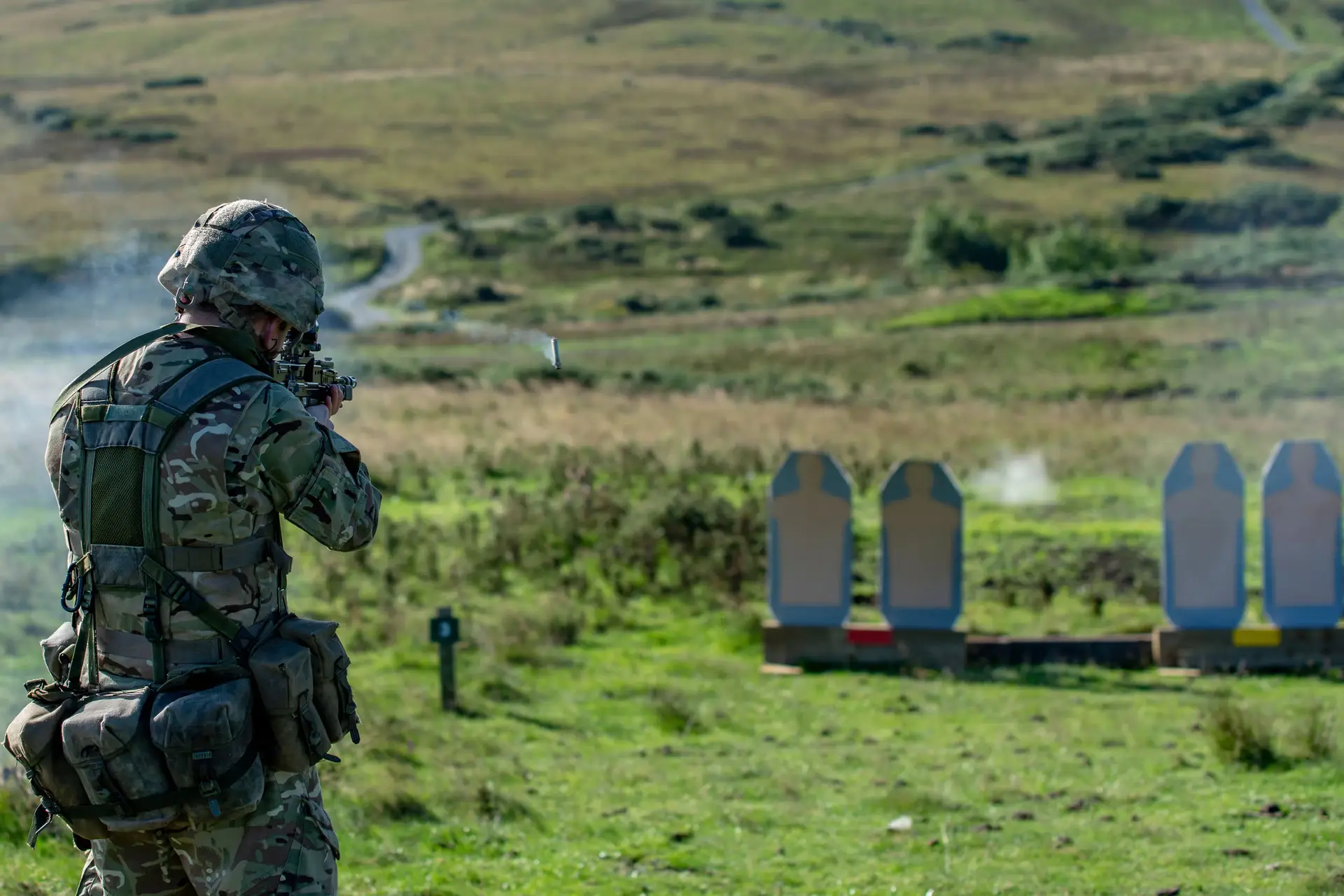
On November 29, Swiss voters will decide whether to ease export restrictions under the War Material Act. The referendum highlights the comfortable naivety of a wealthy nation attempting to preserve a spotless moral conscience while relying on a precision manufacturing sector that requires international buyers to survive.
From a purely macroeconomic perspective, arms production is a rounding error in the domestic economy. War material accounted for just 0.2 percent of total Swiss export volume in 2025. A 2019 study showed that the defense industry directly and indirectly employed around 16,000 people—a modest 0.4 percent of the workforce—generating 2.8 billion Swiss francs in value added. Roughly 140 defense enterprises operate in the country alongside 3,000 small and medium-sized suppliers. In recent years, several civilian manufacturers have quietly shifted portions of their operations toward military contracts to capture growing global defense expenditure.
Yet the sector's political footprint far exceeds its economic size. Major industrial flagships have long been acquired by foreign conglomerates: Mowag passed to General Dynamics, Oerlikon to Rheinmetall, SIG Sauer to L&O Holding, and Wild Heerbrugg to Safran Vectronix. Only a handful of prominent names, including state-owned Ruag, aircraft manufacturer Pilatus, and firearms maker Brügger & Thomet, remain in Swiss hands.
The friction lies in how Bern manages its foreign contracts. Following Swiss prohibitions against transferring domestic weapons to Ukraine, traditional European customers like Germany, Denmark, and the Netherlands signaled plans to pivot away from Swiss suppliers. Deliveries to Denmark dropped from 136 million Swiss francs in 2022 to under 13 million in 2025. Germany, conversely, expanded its purchases to 386 million francs in 2025, pushing overall Swiss exports to 948 million francs—nearing the 2022 record of 955 million francs.
That top-line growth hides a structural shift. Reports from the State Secretariat for Economic Affairs show ammunition rising from 25 percent of exports in 2022 to 43 percent in 2025, taking share from advanced weapons systems and fire-control systems. Matthias Zoller, secretary general of the industry association Swiss ASD, notes that European manufacturers are bypassing high-end Swiss hardware in favor of basic components, warning of lost technical expertise following a 30 percent decline in exports across 2023 and 2024.
Opponents of deregulation see no cause for concern. Pauline Schneider of the Group for a Switzerland Without an Army points to the 43 percent export recovery between 2024 and 2025 as evidence of a thriving industry that requires no statutory loosening.
Switzerland controls less than 0.5 percent of the global arms trade. The upcoming ballot forces voters to decide whether Bern can remain an industrial supplier of advanced technology or accept a diminished role producing consumable parts for its neighbors.
Written by Martina Kirchner martina.kirchner@alpineweekly.com