Aug 31, 8:01 AM
The Vanishing Chancellor: How the CDU Keeps Friedrich Merz Out of Sight
Plagued by abysmal popularity ratings, Germany’s chancellor is shuttled from closed-door business meetings to silent photo-ops in a campaign built on avoidance.
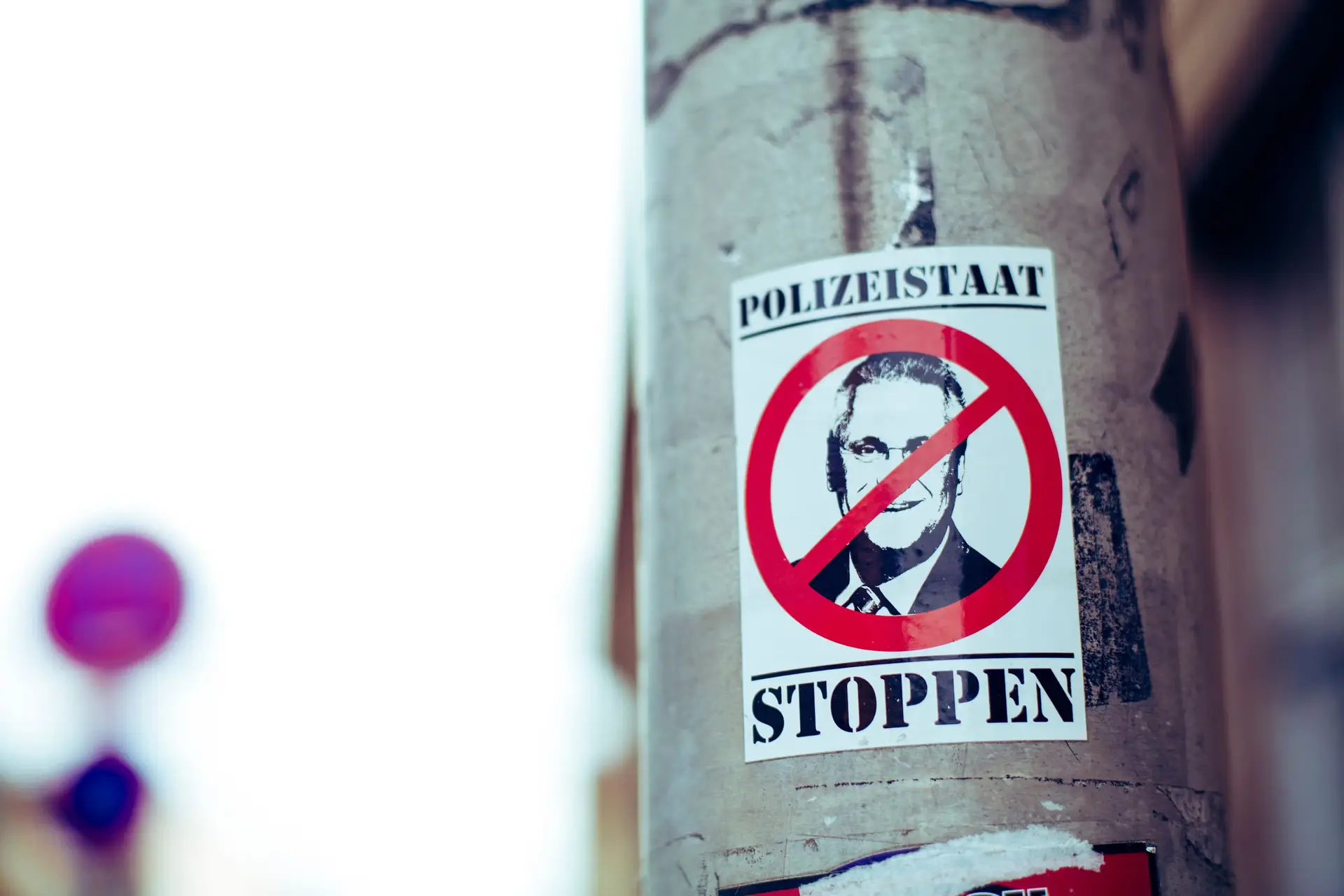
Democracy is meant to be a contact sport, but Germany’s political establishment seems to have developed an acute allergy to the electorate. Friedrich Merz, barely a year into his chancellorship, is currently being bundled from one tightly scripted photo opportunity to another in a desperate bid to shield him from the citizens he supposedly governs.
The traditional campaign trail—replete with town hall debates, unscripted street encounters, and grand finale rallies—has been systematically dismantled by CDU strategists. The party’s planned leadership retreat in Magdeburg was quietly scrapped weeks ago, while the customary election finale featuring the chancellor has been discarded entirely. Instead, voters and regional candidates are treated to rapid-fire helicopter stopovers where the head of government hovers in, delivers a statement with no questions permitted, and vanishes before any spontaneous public reaction can form.
A glance at Merz’s itinerary in eastern Germany exposes the lengths to which party managers are going to keep reality at bay. In Mecklenburg-Western Pomerania and Saxony-Anhalt, the chancellor’s schedule consists almost exclusively of non-public meetings behind closed doors. Whether conversing with maritime executives at Aida Cruises in Rostock or touring chemical facilities in Leuna, the public is strictly kept outside the gate. Even a brief visit to a campaign stand in Kühlungsborn or a stroll through the castle grounds in Quedlinburg is engineered for minimal friction: curated photo opportunities, pool cameras only, and brief press statements alongside local state premier Sven Schulze.
This flight from the public square is not accidental. Early appearances, such as a visit to a wildfire site in Hürtgenwald, were met with vocal protests, triggering flashbacks to the claustrophobic final days of Angela Merkel’s tenure. A thin-skinned performance during a recent televised citizen dialogue further convinced handlers that unscripted encounters carry unacceptable risks. When regional figures like Schulze openly question the utility of appearing alongside their own party leader, it signals a deeper malaise within the governing class.
This strategy of evasion echoes former Chancellor Olaf Scholz’s exclusion from regional SPD campaigns, pointing to a recurring pattern among Berlin's political elite. When leaders hide behind corporate boardrooms and helicopter rotors rather than defending their policy record to ordinary voters, political accountability becomes an illusion. A political leadership that cannot withstand the friction of open public scrutiny has already lost its authority.
Written by Thorben Thiede thorben.thiede@alpineweekly.com