Oct 27, 3:01 PM
The Unappeasable Barricades of Paris
Pledging billions for decrepit schools will not save a government trapped between activist youth and fiscal reality.
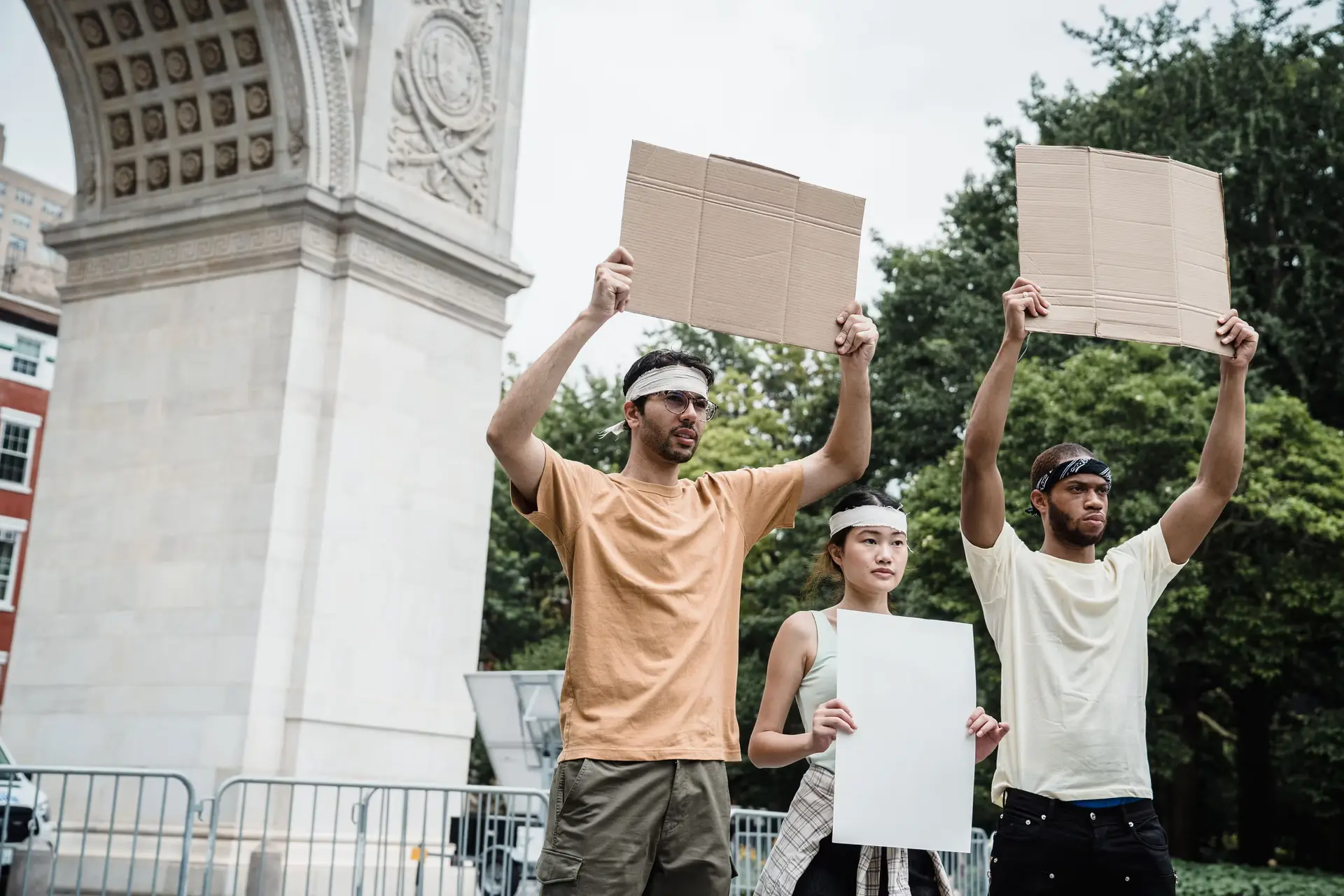
It is a familiar script in French public life: when the street shouts, the state opens its checkbook. Faced with five weeks of mounting youth agitation, school blockades, and burning street corners, the administration thought a massive spending package might calm the waters. It was mistaken.
Education Minister Édouard Geffray admitted that parts of the nation's educational infrastructure are simply not fit for teaching—a damning indictment of a system where classrooms suffer from mould, unclosable windows, broken toilets, and collapsing ceilings. The government's proposed remedy is a €4 billion loan to regional authorities for emergency renovations, alongside a promise to cap class sizes for 15-year-olds at 28 in disadvantaged areas, create new teaching posts, and review the baccalaureate system. Higher Education Minister Philippe Baptiste added 15,000 vocational university places to the offer and promised to replace the controversial Parcoursup application platform by 2028.
To any practical observer, such concessions would represent a substantial yield. To the leaders of the Les Lycéens union, however, they are merely half-measures. Union figures like Pierre Sourzat and Louis Letoublon have explicitly framed the situation as a power struggle, urging pupils to maintain their barricades until their maximum demands are met. The activist calculus is simple: a panicked state can always be squeezed for more.
Meanwhile, the public cost of this ideological confrontation continues to mount. The movement, now coalesced with trade unions and cost-of-living demonstrators, reached a violent peak on October 17 with widespread looting and vandalism. Cities have instituted curfews, while Interior Minister Laurent Nuñez pointed to new tensions involving organized ultra-right formations in Nice and Montpellier. Dozens of children have been injured by police weapons, hundreds have ended up in custody, and authorities have been forced to publicly acknowledge security and intelligence failures.
Visiting Marseille, President Emmanuel Macron warned that the upcoming demonstrations on October 31 present another day of risk. With a presidential election looming in six months and Marine Le Pen leading in the polls, the administration finds itself managing turmoil rather than governing. Throwing billions at crumbling public assets while union leaders demand total surrender illustrates a broader systemic malaise. When endless spending is the only answer to administrative failure, the barricades never truly come down.
Written by Thomas Nussbaumer thomas.nussbaumer@alpineweekly.com