Oct 27, 3:02 PM
The Bill Comes Due for Berlin's Policy Miscalculations
From soaring energy costs to crashing poll numbers, a public debate reflects a state running out of money and excuses.
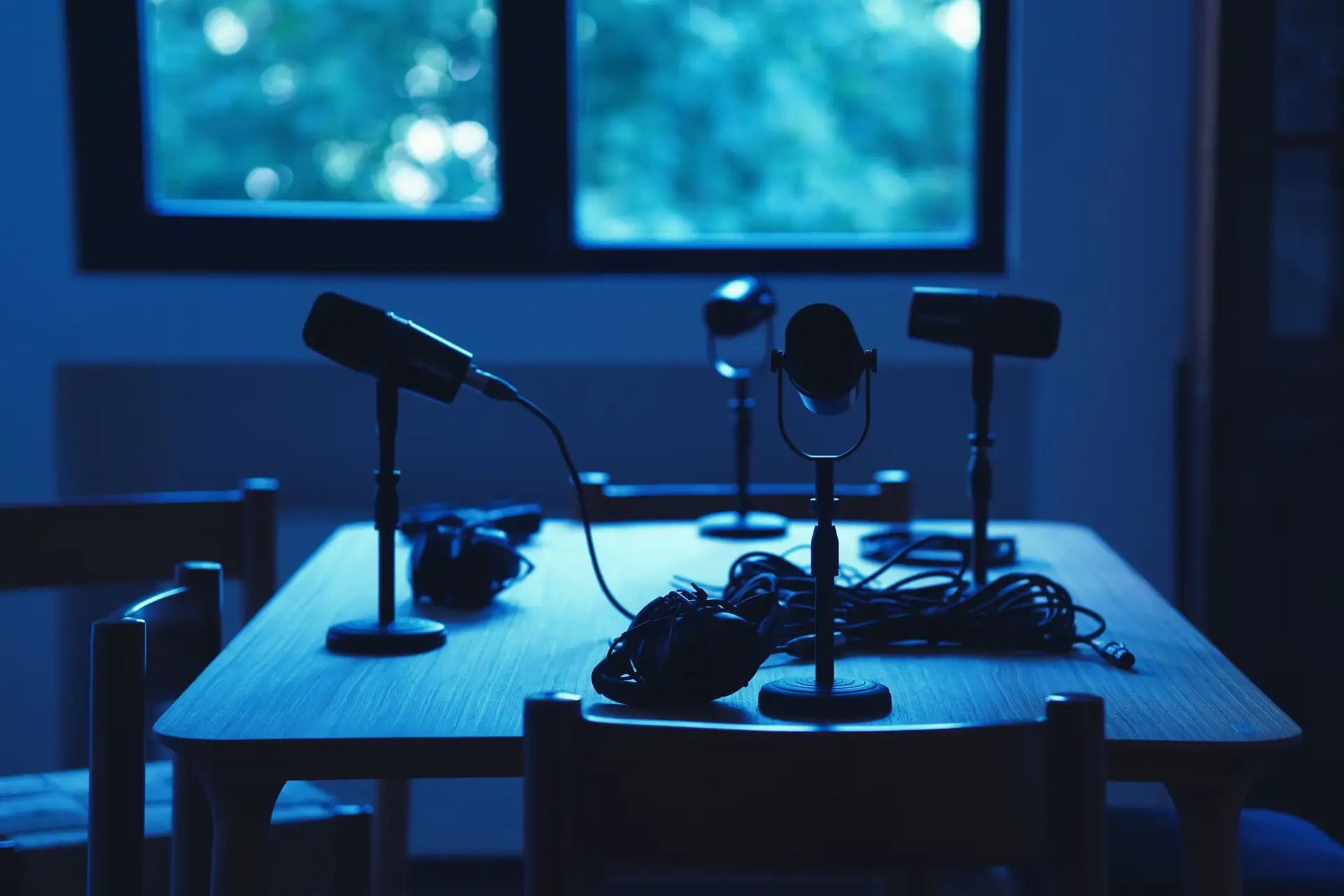
When reality catches up with ideological policymaking, the accounting is rarely pleasant. In a recent broadcast of NIUS Live am Abend, host Andreas Dorfmann assembled political consultant Antje Hermenau and commentator Julia Weishaupt to dissect a slate of issues that read less like a standard news agenda and more like a comprehensive inventory of state failure.
At the top of the ledger sits Germany’s escalating energy predicament. The government has effectively conceded that it can no longer afford to subsidize industrial electricity prices while consumers face yet another sharp gas price shock. The high-minded attempt to paper over structural energy deficits with public money has finally hit an economic wall, leaving heavy industry exposed to costs that make domestic manufacturing unsustainable.
The political fallout is arriving in predictable fashion. In Hesse, the CDU has plummeted to a historical low in recent polling, signaling a sharp voter rejection of Friedrich Merz and his party's current trajectory. At the same time, Alice Weidel has targeted the long structural decay of the lost Merkel years, presenting reform proposals intended to unwind years of consensus-driven stagnation. The political class's broader struggle with public order was underlined by yet another severe incident of clan crime, in which a vehicle was driven directly into a crowd of people.
Even the administrative apparatus designed to shield the consensus is coming under strain. Minister Weimer has stepped forward to demand a radical reduction in the scope and cost of the public broadcasting system, the ÖRR. The proposal indicates that even within governing circles, the appetite for maintaining an ever-expanding public sector at direct taxpayer expense is wearing thin.
The arithmetic facing the country is straightforward enough, even if the establishment prefers to look elsewhere. Between uncompetitive energy prices, deteriorating internal security, and historic polling drops for mainstream parties, the state is discovering the hard limits of trying to manage away economic reality.
Written by Thorben Thiede thorben.thiede@alpineweekly.com