Oct 29, 7:02 PM
The High Cost of Mined Peace in Central Africa
US sanctions against Rwanda's defence ministry reveal the limits of Washington's diplomatic mediation in the Great Lakes region.
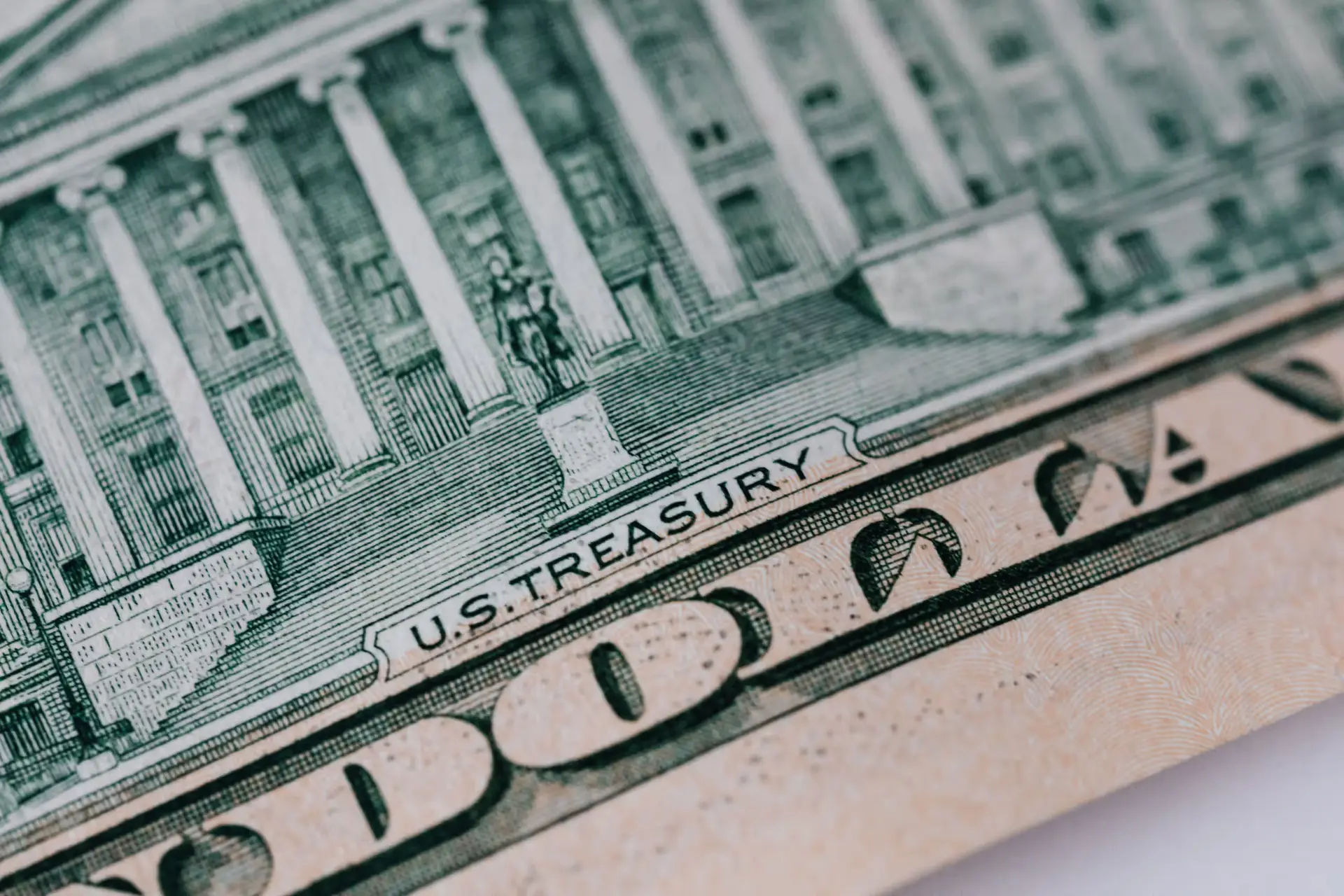
When paper agreements meet commercial and security imperatives on the ground, diplomatic triumphs tend to curdle quickly. Less than a year after sponsoring the Washington Accords between Rwanda and the Democratic Republic of Congo, the United States has reached for its preferred blunt instrument: economic sanctions. By targeting Rwanda’s Ministry of Defence alongside a major military financial institution, Washington is acknowledging that ink on parchment has done little to calm eastern Congo.
The latest measures from the US Treasury focus squarely on the financial and logistical backbone of the conflict. US Treasury Secretary Scott Bessent made Washington's demand explicit, stating that Rwanda must halt its support for M23 and withdraw its troops from eastern DRC. According to American officials, Rwanda’s defence ministry has not merely observed the M23 rebel group, but directed thousands of troops to fight beside them while delivering weapons, equipment, and training.
Crucially, the target list includes Zigama Credit and Savings Society, a key financial institution serving Rwandan security forces. Washington claims the bank handled tens of millions of dollars for M23 and its political wing, the Congo River Alliance, while enabling arms purchases from China and facilitating the movement of gold from rebel-held zones to Kigali.
The economic core of the conflict revolves around mineral wealth. M23’s advances since early 2025—including the capture of key urban centers like Goma and Bukavu—have secured control over critical mining areas, such as the coltan hubs of Rubaya and gold sites in South Kivu. US authorities point out a telling anomaly: Rwanda continues to export far higher volumes of minerals than its domestic territory actually produces.
This is hardly Washington’s first penalty against Kigali’s regional footprint. The Treasury previously sanctioned Rwandan military commanders in March 2026, followed by restrictions on the Gasabo gold refinery and several mining firms in June. For Kinshasa, where President Félix Tshisekedi explicitly called for concrete international penalties, the move is a long-sought validation. Yet Kigali maintains its own rigid logic. Rwandan government spokesperson Yolande Makolo countered that the Washington Accords contained explicit provisions regarding the FDLR—a militia tied to the 1994 genocide—which remain entirely unfulfilled by the Congolese government.
Beyond banking networks and military logistics, the friction is spilling into Kigali’s high-profile soft-power strategy. While Rwanda secured a decade-long agreement to host an African Formula 1 Grand Prix in the early 2030s, its broader sports diplomacy shows signs of strain. Sponsorship deals with European football giants Arsenal and Bayern Munich ended in 2026, and US senators Jeff Merkley and Marsha Blackburn have pressed the National Basketball Association to evaluate its commercial ties with the country. Whether financial penalties and reputational friction will alter the strategic calculus in the Great Lakes region remains tied to cold economic arithmetic.
Written by Thomas Nussbaumer thomas.nussbaumer@alpineweekly.com