Oct 29, 7:02 PM
The Cost of Moral Indulgence in Berlin
When foreign aid eclipses national interest, German taxpayers are left paying the bill for a policy exempt from public scrutiny.
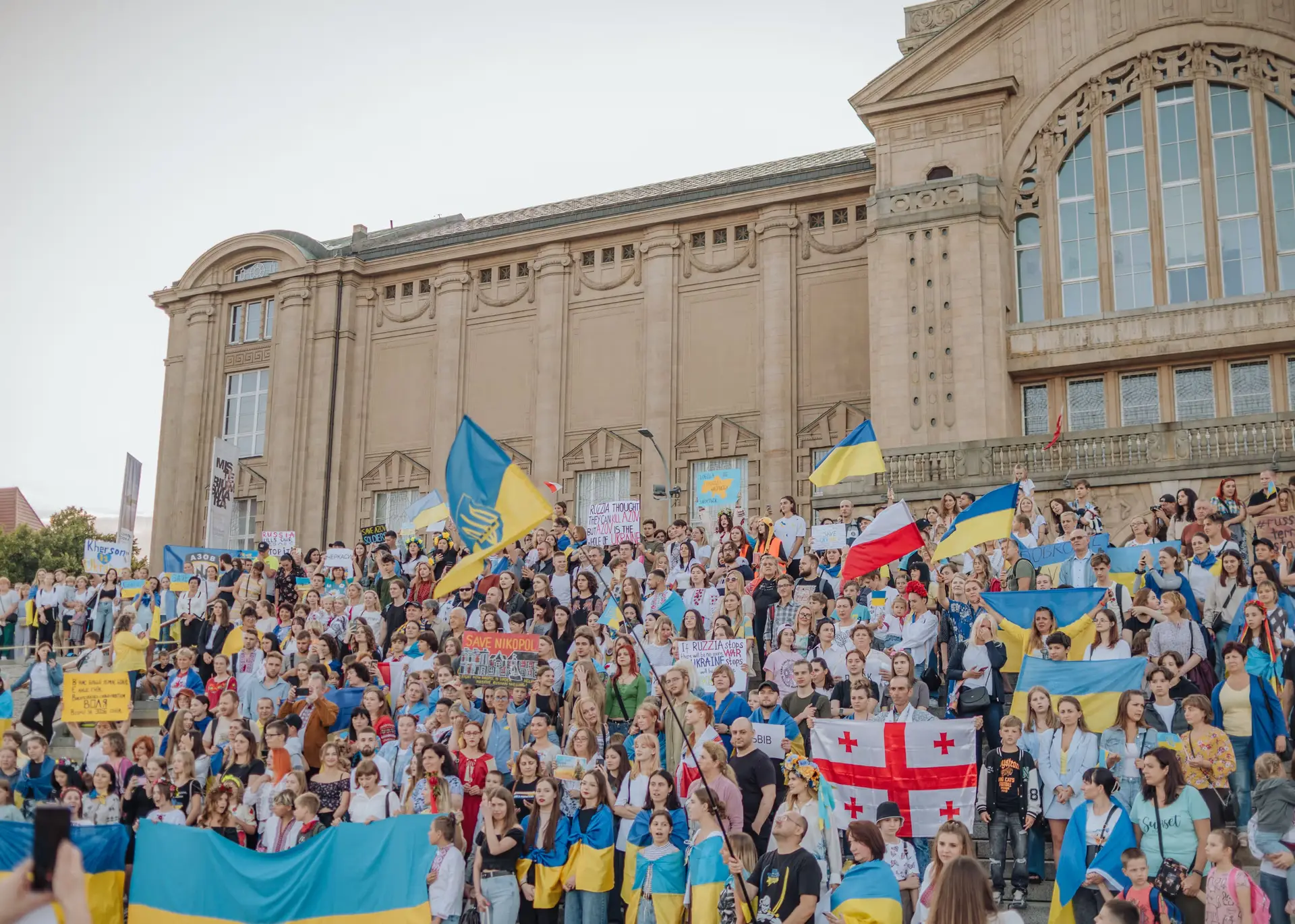
In Berlin political circles, questioning the price tag of unconditional solidarity has long been treated as a form of ideological deviance. Yet as Germany's federal budget buckles under mounting interest payments and spiraling public debt, the arithmetic becomes increasingly hard to ignore. Around 100 billion euros in civilian and military assistance has already been committed to Kyiv, with another 11 billion euros earmarked for military support in the coming year's budget.
For a nation that shares neither a direct border nor an EU membership with Ukraine, this makes Germany the largest backer in Western Europe. Abstract invocations of defending the free world may sound heroic in parliamentary speeches, but they offer little comfort to taxpayers watching their own infrastructure crumble and domestic inflation erode purchasing power.
The reluctance of German politicians to demand clear accountability for these funds borders on political negligence. Ukraine's own internal opposition repeatedly points out the deep-seated corruption plaguing state institutions in Kyiv. Why should German taxpayers assume that their hard-earned money, transferred without rigorous control mechanisms, will magically escape these systemic problems?
Even more baffling is the official silence surrounding the destruction of the Nord Stream pipelines. Investigative reports, including accounts by Wall Street Journal reporter Bojan Pancevski and commentary from Neue Zürcher Zeitung editor-in-chief Eric Gujer, point directly toward Ukrainian involvement in what amounts to an act of state-sponsored sabotage against core German energy infrastructure. A sovereign nation with any sense of self-respect would demand answers and unequivocally condemn such an assault on its strategic interests. Instead, Berlin chooses quiet submissiveness, terrified that acknowledging uncomfortable facts might ruin its preferred moral narrative.
This black-and-white worldview also deliberately overlooks historical complexities, such as upcoming honors in Lviv for commanders of the Ukrainian Insurgent Army involved in historical massacres of Jews and Poles. When foreign policy degenerates into a dogmatic loyalty test that ignores national interest, fiscal reality, and basic self-defense, public trust inevitably collapses. A government that refuses to defend its own citizens' interests will eventually find that those citizens refuse to follow its lead.
Written by Sandy van Dongen sandy.vandongen@alpineweekly.com