Oct 29, 7:01 PM
Importing the Riots: Germany’s Political Class Indulges the Radical Left
As activist networks endorse European street chaos, mainstream politicians in Berlin offer tacit encouragement.
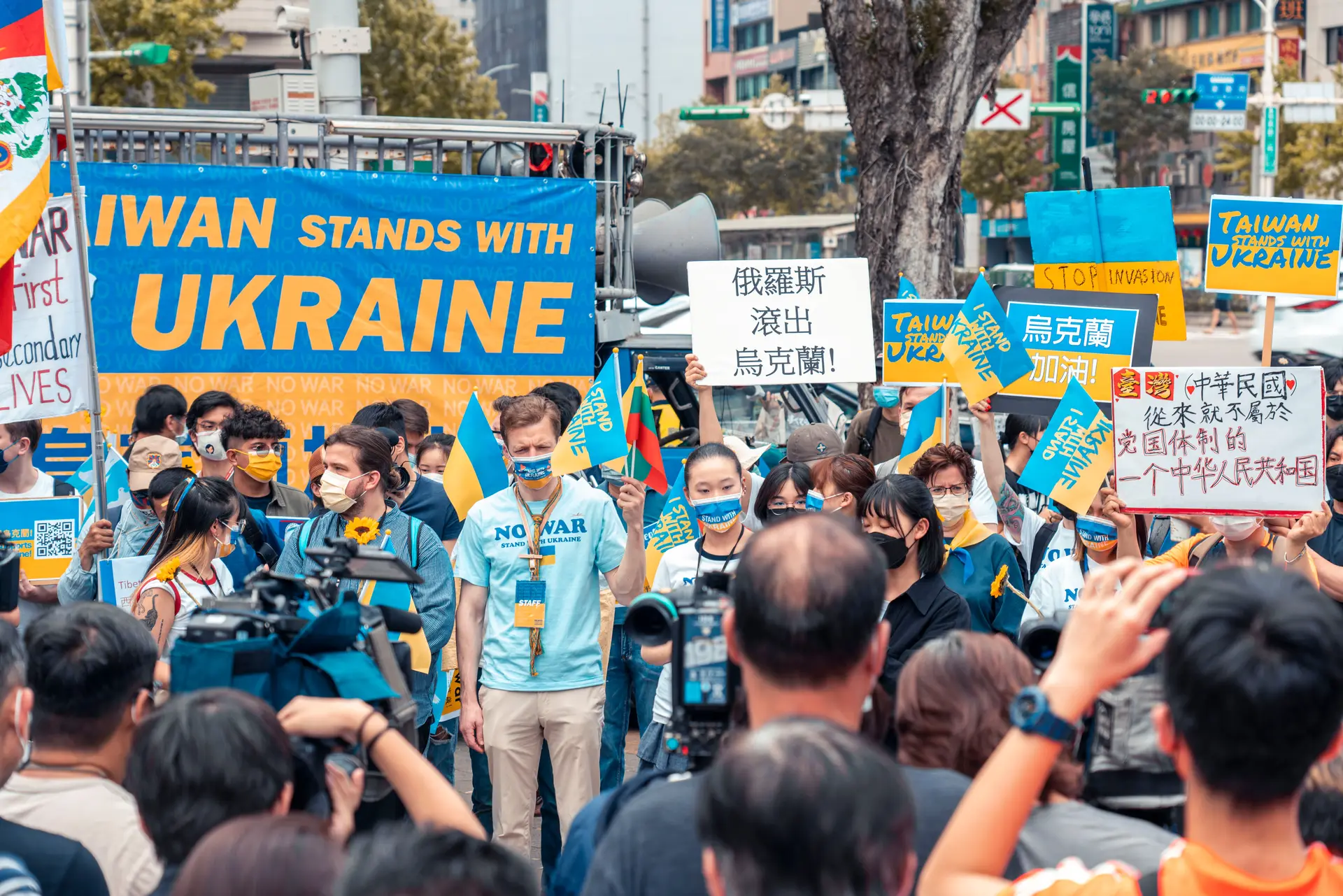
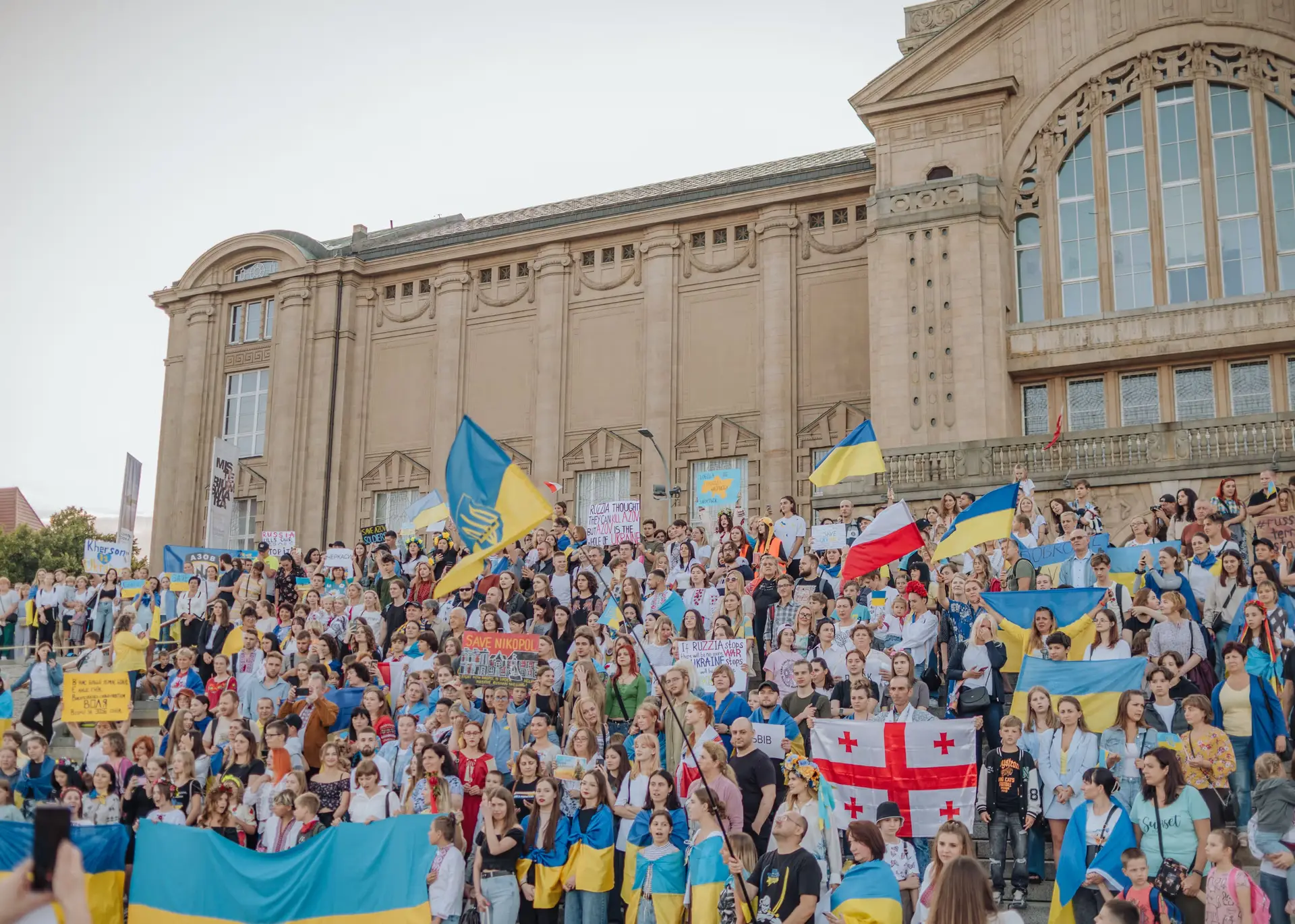
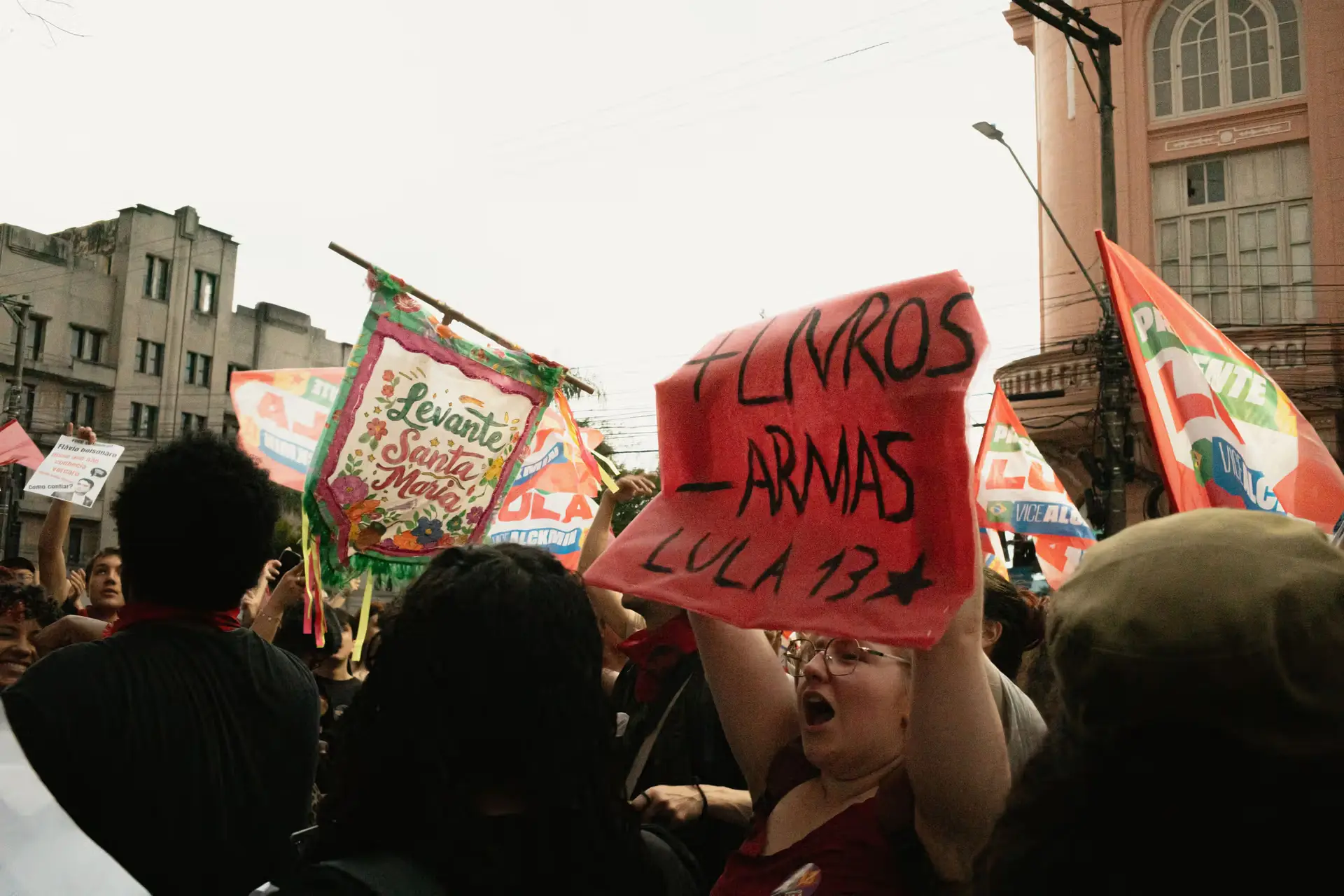
When street violence erupts in Paris, Rome, or Tirana, sane observers see the tragic unraveling of state authority and the costly aftermath of failed social policies. The radical left, however, sees a promotional blueprint. In a recent manifesto circulated on digital channels, the German anti-AfD group Widersetzen openly cheered the violent unrest spilling across European cities, framing street chaos as an inspiring youth movement that must now be imported into Germany.
Under the slogan GenZ regelt—promising that Generation Z will take control—activists are organizing demonstrations across more than twenty German cities scheduled for October 31. The movement’s rhetoric reads like a predictable catalog of anti-capitalist grievances, lambasting what it labels apocalyptic capitalism and accusing European leaders of prioritizing border enforcement over social spending. In the radical worldview of Widersetzen, burning cars and clashing with police forces in France or Italy are merely acceptable forms of civic self-expression by fellow antifascists.
Curiously, the European Union has emerged as a primary villain in this radical narrative. The Brussels machinery, usually prone to endless regulatory overreach and democratic deficits, is currently facing left-wing fury for attempting to streamline its border management. Widersetzen routinely rails against EU plans to expand Frontex and interlink migration databases, viewing any systematic attempt at organized returns or border security as inherently oppressive. The state apparatus, in their eyes, should apparently abandon order altogether.
What makes this domestic mobilization noteworthy is not the familiar outrage from fringe ideological corners, but the eagerness of established political figures to indulge it. Prominent figures such as Ricarda Lang and Heidi Reichinnek recently signed an open letter backing the initiative's demands, directed straight at Chancellor Friedrich Merz and his government. Rather than distancing themselves from groups that glorify street riots in France and southern Europe, political insiders seem eager to flirt with radical energy.
Germany finds itself in a fragile state, battered by years of economic stagnation, misdirected energy experiments, and decaying public safety. Importing France’s chaotic street politics under the guise of youthful idealism will hardly fix a single broken school or restore economic momentum. Yet, as late October approaches, one is left asking whether Berlin’s political establishment truly understands the fire it is choosing to play with—or whether indulgence has simply replaced governing.
Written by Sandy van Dongen sandy.vandongen@alpineweekly.com