Oct 21, 6:01 PM
The Disillusionment of Catalonia
As grand independence promises fade, voters in Spain’s economic engine are turning against socialist immigration policy.
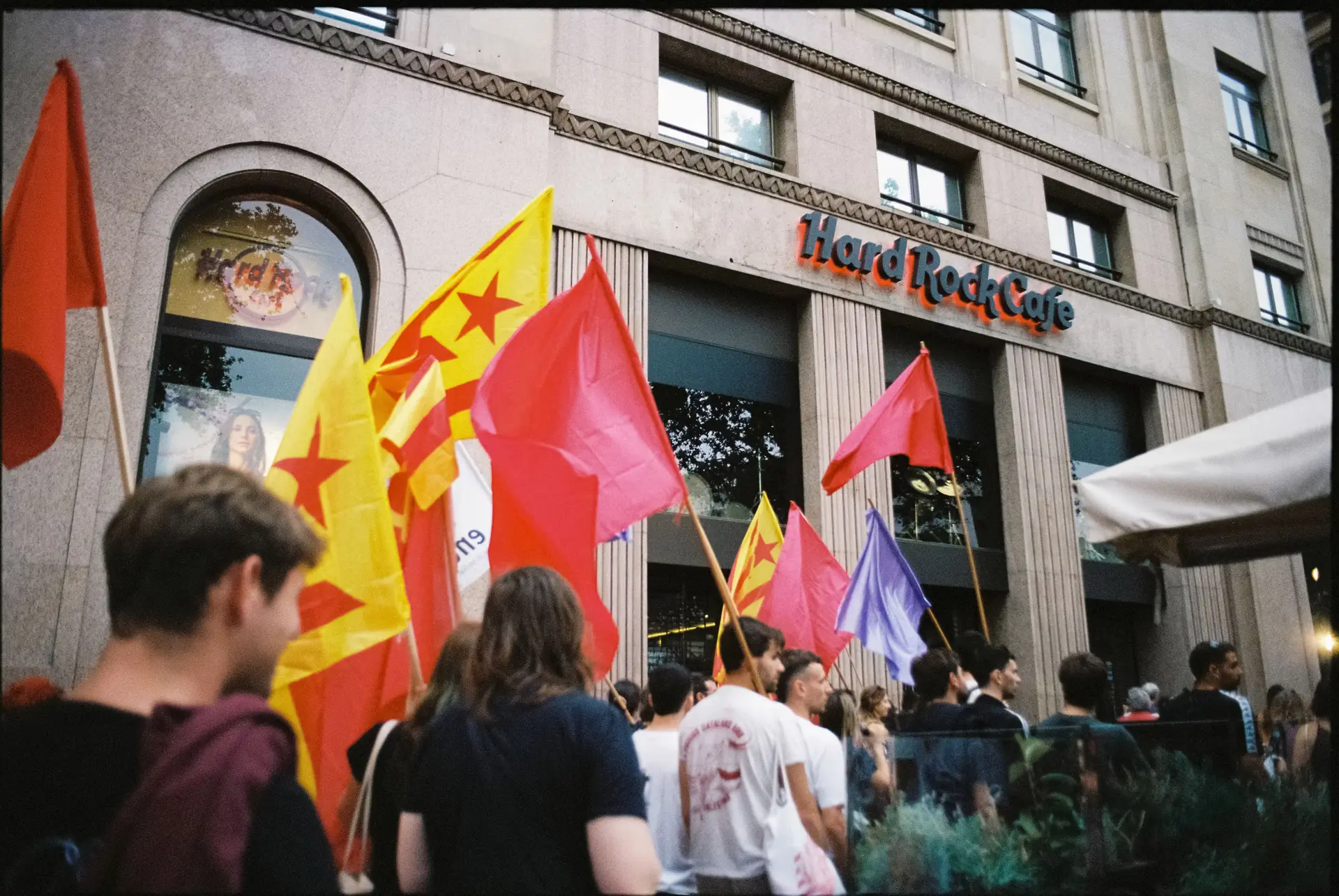
For years, the political establishment in Barcelona operated under the comfortable illusion that Catalan regionalism would forever remain an exercise in romantic nationalism and progressive slogans. That illusion is unraveling. Almost a decade after the disastrous 2017 independence attempt, voters in Spain’s economic heartland are turning their attention to far more mundane—and pressing—realities: public safety, strain on social infrastructure, and the obvious friction caused by unvetted immigration.
At the center of this shift is Aliança Catalana, a right-wing regional party currently holding a modest two seats in the Catalan parliament. Recent polling published by El Mundo paints a starkly different future. The party is projected to secure 16.7 percent of the vote and between 25 and 28 seats in the next regional election. Such a result would position it as the chief rival to the ruling Socialists, who are expected to lose ten seats while dropping to around 23 percent. The legacy secessionist parties that orchestrated the failed 2017 split are facing a steep decline as their former base drifts toward a sharper, less forgiving agenda.
This political transformation did not emerge in a vacuum. It began in Ripoll, a small town near the French border where the terrorist cell responsible for the 2017 Barcelona attacks was formed. Sílvia Orriols, now mayor of Ripoll and leader of Aliança Catalana, built her platform on an explicit rejection of mass immigration and Islamic integration, arguing that unchecked demographic shifts threaten local social stability, security, and the welfare state. In a region that accounts for twenty percent of Spain’s economic output, these arguments resonate strongly with citizens who feel that socialist governance has prioritized ideology over basic governance.
Spain is home to 2.4 million Muslims, with Catalonia hosting the largest concentration. Nationally, one-fifth of the country's population of nearly 50 million was born abroad, with Moroccans, Venezuelans, and Colombians forming the largest groups. While the left-wing central government in Madrid continues to push open migration policies, ordinary taxpayers increasingly find themselves competing for public services, housing, and jobs.
The decline of traditional Catalan nationalism is a predictable outcome of political overpromise and economic underperformance. When symbolic grandstanding yields no tangible benefits, voters inevitably pivot toward leaders who promise to protect their immediate surroundings. Socialist leaders in Madrid and Barcelona may decry the shift, but their own policies have laid the groundwork. In a country burdened by economic fragility and bad administrative planning, the debate over who pays for and benefits from the state is finally reaching a breaking point.
Written by Andreas Hofer andreas.hofer@alpineweekly.com