Oct 21, 6:01 PM
Rome's Iron Fist Meets the Street
Facing street riots and economic stagnation, Italy turns to troop deployments and parental liability to restore order.
When street stones fly through the windows of Milan's luxury arcades, the political response in Rome follows a well-worn playbook. Prime Minister Giorgia Meloni’s cabinet has responded to violent weekend unrest across major northern cities with a sweeping security decree, creating new criminal offenses, threatening financial consequences for parents of delinquent minors, and sending soldiers into public spaces.
Vandalism and theft are not protest, they are criminality, Meloni declared as she unveiled the measures. The centerpiece of the executive decree introduces a formal legal offense for violent participation in public demonstrations. Gatherings of more than five individuals wielding potential weapons, such as sticks, stones, or fireworks, now carry penalties of up to five years in prison and fines reaching 20,000 euros. Organizers utilizing social media or digital channels to rally violent groups face potential sentences of up to 12 years.
To project physical authority, 500 military personnel are being stationed in Milan through the end of the year to monitor sensitive locations. Yet, in classic Italian administrative fashion, institutional boundaries leave the troop mandate constrained. Following objections from President Sergio Mattarella, soldiers will not exercise expanded policing powers, leaving operational arrests and criminal investigations exclusively to civil police forces.
In a clear attempt to enforce parental accountability, the decree imposes direct financial liability on parents for property damage caused by their minor children. Under these rules, the state can recover costs by targeting personal assets or garnishing public family subsidies. Additionally, administrative detention powers—previously applicable only to legal adults—have been extended to minors aged 14 to 18 if authorities consider them a public safety threat, even without a prior criminal conviction.
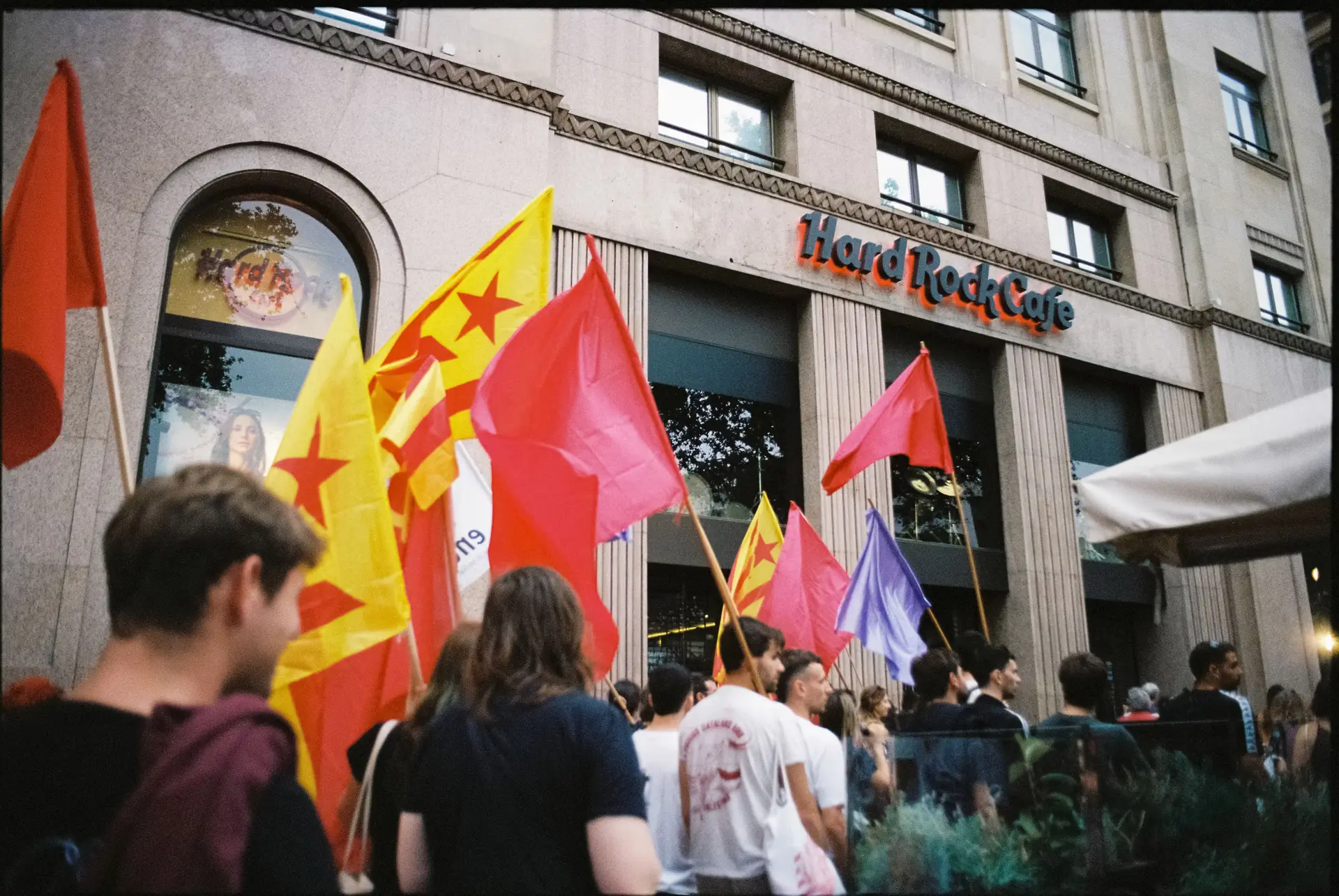
The crackdown comes on the heels of destructive clashes in Milan, Turin, and Bologna, where demonstrations over rising living costs quickly deteriorated into arson and looting. In Milan, riot police used water cannons and tear gas against masked crowds who dismantled outdoor dining areas to build burning street barricades, resulting in two injured officers and roughly 50 detentions.
Whether stiffer sentences will restore order or simply strain an already overburdened penal system remains questionable. Non-governmental organizations such as Associazione Antigone note that Italy's prison population has already surged by over 17 percent over four years. Enforcing public order is a fundamental duty of the state, but legal deterrence meets its limits when confronted with systemic economic decay. Between 2000 and 2025, basic living expenses in Italy rose by 68 percent while real full-time wages contracted by nearly 5 percent. Rome may clear the Piazza del Duomo with decree law, but decree law cannot substitute for economic vitality.
Written by Thomas Nussbaumer thomas.nussbaumer@alpineweekly.com