Nov 1, 9:01 AM
Tactical Engineering: How West Bank Demolitions Redraw the Map
Military expediency and spatial re-engineering are quietly turning temporary raids into permanent displacement.
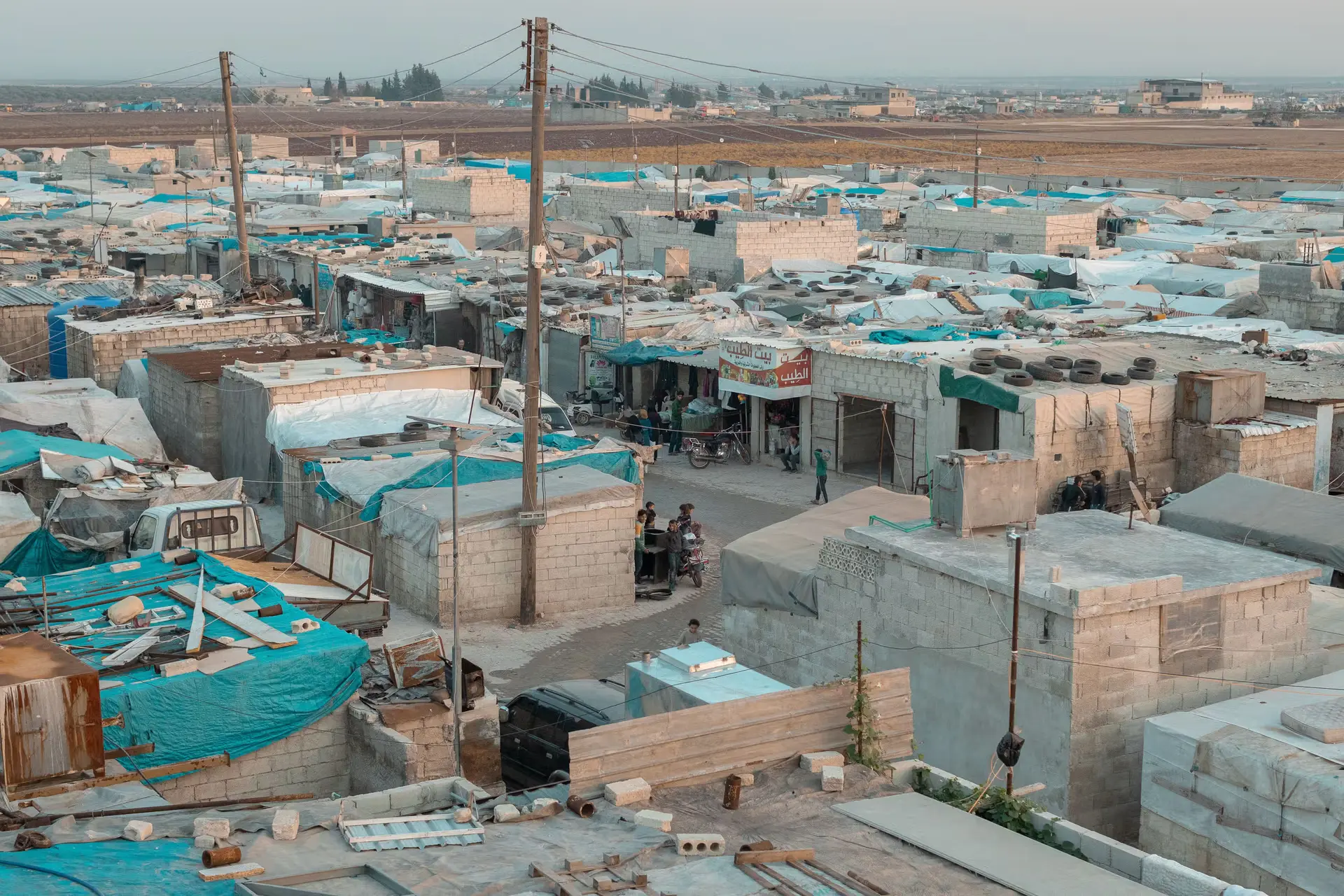
Urban military operations rarely leave room for delicate touch, but what is taking place across the West Bank goes well beyond standard counter-insurgency. When residential infrastructure is systematically cleared to establish line-of-sight and vehicle access, tactical expediency imperceptibly transforms into long-term spatial control.
The numbers reveal a structural shift. More than 34,000 Palestinian refugees from the Jenin, Tulkarem, and Nur Shams camps remain displaced more than a year after Israel launched its "Iron Wall" operation in January 2025. That campaign alone destroyed over half of the residential buildings in the targeted camps. Standard administrative tallies fail to convey the true scale: UN data from OCHA logged 1,399 demolished buildings in the Jenin and Tulkarem governorates between 2009 and October 2026, but those records largely capture permit denials and administrative actions, missing the broader footprint of active combat operations.
The physical transformation is methodical. An investigation by Forensic Architecture verified more than 200 distinct incidents of building and street destruction across four refugee camps, executed through armoured bulldozers, controlled demolitions, and air strikes. Residential roads are routinely widened directly through private homes and gardens to carve out unobstructed thoroughfares for heavy armour. This physical restructuring aligns with political statements. Israeli Finance Minister Bezalel Smotrich noted in February 2025 that Tulkarem and Jenin would end up looking like Jabalia and Shujayea, two of the most heavily devastated sectors in Gaza.
That operational logic is expanding across the territory. UNRWA West Bank director Roland Friedrich warned that recent military actions in Hebron carry alarming echoes of the mass displacement witnessed in the north during early 2025. In locations like Burin, troops have repurposed residential dwellings into military barracks, while near Jenin, an entire village was recently instructed by military authorities to evacuate permanently.
When security logistics dictate that dense urban quarters must be cleared for transit lanes, the prospect of civilian return becomes entirely theoretical. Operational maneuvers designed to strip away physical cover leave behind a modified geography where rebuilding is not merely delayed, but structurally ruled out.
Written by Freya Stensrud freya.stensrud@alpineweekly.com