Nov 1, 9:02 AM
The Circus Director of the Female Gaze
Amid fleeting digital streams, Ellen von Unwerth’s sharp pragmatism and unscripted glamour show why human spontaneity still commands the market.
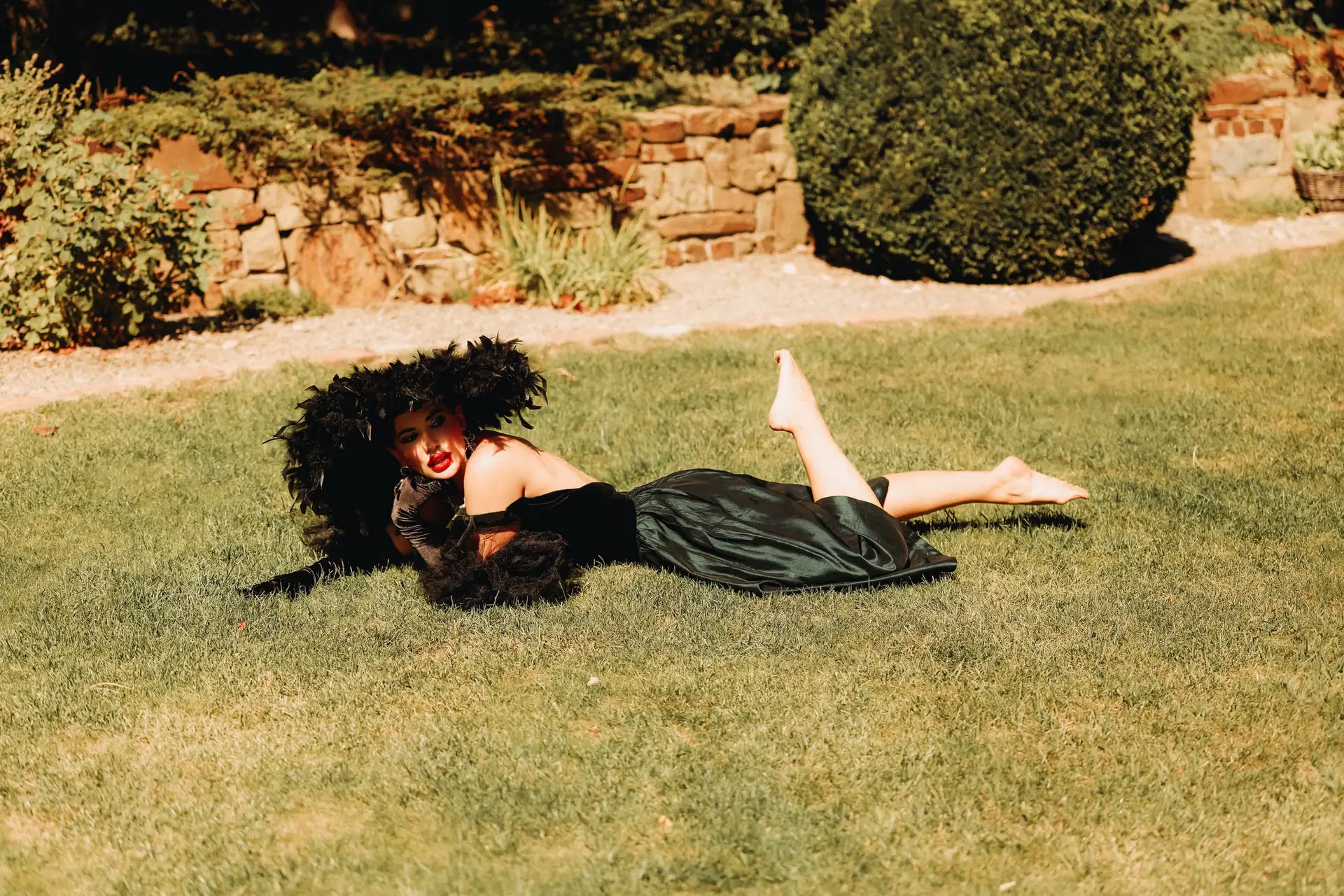
In a visual culture where digital imagery is generated in seconds and forgotten in two, the endurance of a distinct personal aesthetic has become a rare market anomaly. Ellen von Unwerth built her career by breaking the rigid codes of traditional fashion photography, substituting static posing with unscripted movement. Decades after exchanging a ten-year modelling career for a basic camera gifted by a partner, the German photographer continues to treat the studio less like a high temple of fashion and more like a chaotic performance ring.
That ring motif is grounded in biography. Before entering fashion, von Unwerth worked briefly as a circus assistant in Germany, an experience that continues to inform her preference for dishevelled splendour and theatrical spontaneity. This background forms the centerpiece of an upcoming retrospective in Maastricht, titled My Circus, featuring approximately 130 works spanning her career, alongside a smaller showcase, Not Your Angel, in Saint-Tropez.
Her trajectory illustrates how raw instinct often triumphs over formal technique. Uninhibited by classical photography rules, von Unwerth established her international reputation in the late 1980s by styling Claudia Schiffer to mirror Brigitte Bardot for a Guess campaign—a move that launched both model and photographer into mainstream prominence. Subsequent portraits of figures such as David Bowie, Naomi Campbell, and Drew Barrymore cemented a visual style that granted subjects genuine agency, presenting women as active protagonists rather than passive set pieces.
Yet, the commercial environment around her has transformed. Von Unwerth takes a clear-eyed, pragmatic view of technological shifts. While she utilizes digital formats and occasionally employs artificial intelligence for routine edits—such as erasing an unsightly boat from a background landscape—she remains openly critical of total automation. Technology may offer convenience, but she views the unchecked expansion of artificial intelligence as a genuine threat to creative employment, noting that even models have begun generating automated versions of themselves.
Rather than retreating into purist nostalgia, von Unwerth continues to diversify her portfolio through high-profile collaborations. Her recent project with Toiletpaper magazine, founded by Maurizio Cattelan and Pierpaolo Ferrari, originated after she visited their exhibition at Fotografiska in Berlin and established a direct dialogue with the founders. The collaboration pairs six of her archived images alongside six of theirs. Between this release, a forthcoming perfume, and revived plans for her feature film project Revenge, von Unwerth demonstrates that long-term relevance in the creative economy requires perpetual motion.
Written by Thomas Nussbaumer thomas.nussbaumer@alpineweekly.com